
Language Ombudsman on ban on Russian-language versions of websites: This is symptom of deep pain, but there’s no legal means to challenge it
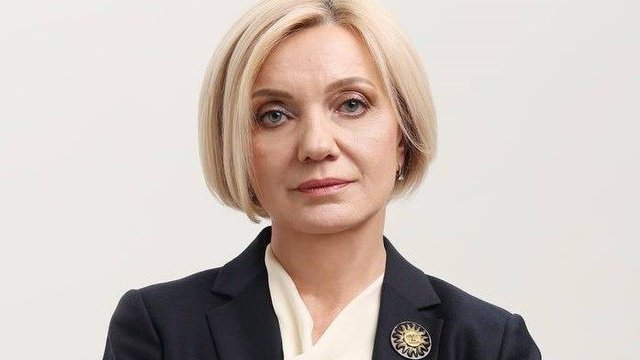
State Language Commissioner Olena Ivanovska believes the proposal to ban Russian-language versions of websites is symptomatic of the deep pain Ukrainians feel, but there is currently no legal means to challenge it.
"It must be said that this discussion around the petition, which calls for a complete ban on Russian-language versions of websites, is evidence or a symptom of the deep pain that plagues our society. Ukrainians are tired of this shadow of colonial language in the public space, they strive to cleanse the digital environment, and they want to see the Ukraine online that our defenders fight for every day. These feelings cannot be ignored; they are justified," Ivanovska said in a comment to Interfax-Ukraine, commenting on the petition to ban Russian-language versions of websites in Ukraine.
At the same time, she emphasized that the state should act not based on emotion, but according to the law, and that the petition's demands contradict Article 27 of the Law "On ensuring the functioning of the Ukrainian language as the state language," which permits the existence of other language versions of a website if the Ukrainian version is the main one.
"That is, the law itself does not authorize the state to ban languages on private websites. As soon as we cross this line of priority and move toward a complete ban, we violate constitutional guarantees. Consequently, we open the door to international complaints. We also give our opponent, our enemy, a convenient pretext to accuse Ukraine of linguistic repression," the commissioner noted.
In her opinion, this is a weak position, and Ukraine cannot afford to make weak decisions in wartime.
"But from a moral standpoint, as I've already noted, we know where this excessive presence of Russian in our media space comes from. It's a consequence of centuries of exclusion, bans, and waves of russification. And Ukraine today has every moral right to linguistic decolonization. But decolonization isn't a mirror image of imperial methods. We're not imitating Russia; we're building and affirming Ukraine. And if we follow Russia's path of total bans on everything, we won't build Ukraine," Ivanovska emphasized.
When asked about the proposal to amend the language law to allow for the existence of language versions of the website other than Russian, the commissioner noted that this could be worked on.
"If we truly find a way to amend the current law, then we can legally achieve this. But for now, we don't have the legal means to challenge it," she added.
The language ombudsman emphasized that there is no pragmatic reason to use the language of an aggressor country on resources, and this is unjustified.
She also noted that the state now needs to strengthen public service announcements, promote awareness, and draw on language legislation to ensure people know and understand that the law "On ensuring the functioning of the Ukrainian language as the state language" is mandatory, just like other laws.