
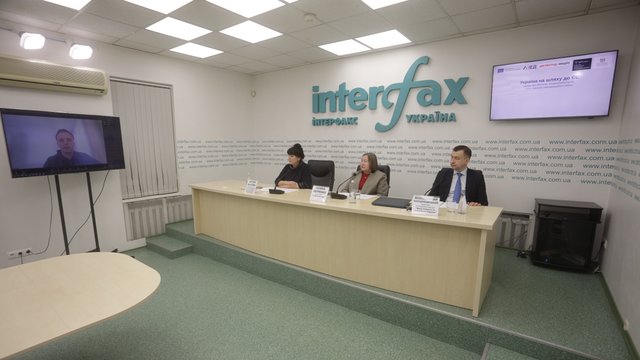
The non-governmental organisation Detector Media, Kyiv National University of Technologies and Design (KNUTD) and Ukraine Resilience & Recovery Foundation (URRF) are launching a joint project aimed at improving digital security among Ukrainians, countering disinformation and promoting European standards for personal data protection.
Representatives of the three organisations announced the initiative at a press conference entitled "Ukraine on the Path to the EU: Digital Security, Media Literacy and New Challenges of Information Warfare", held on Friday at the Interfax-Ukraine news agency's press centre.


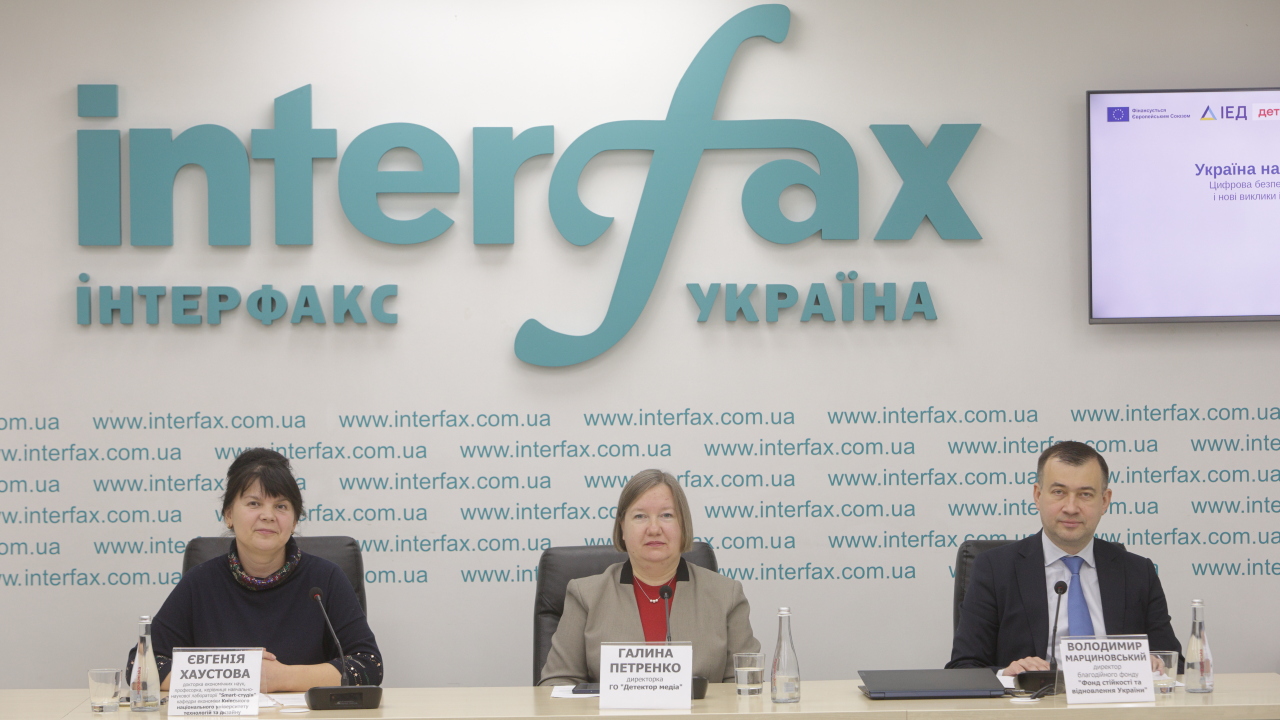
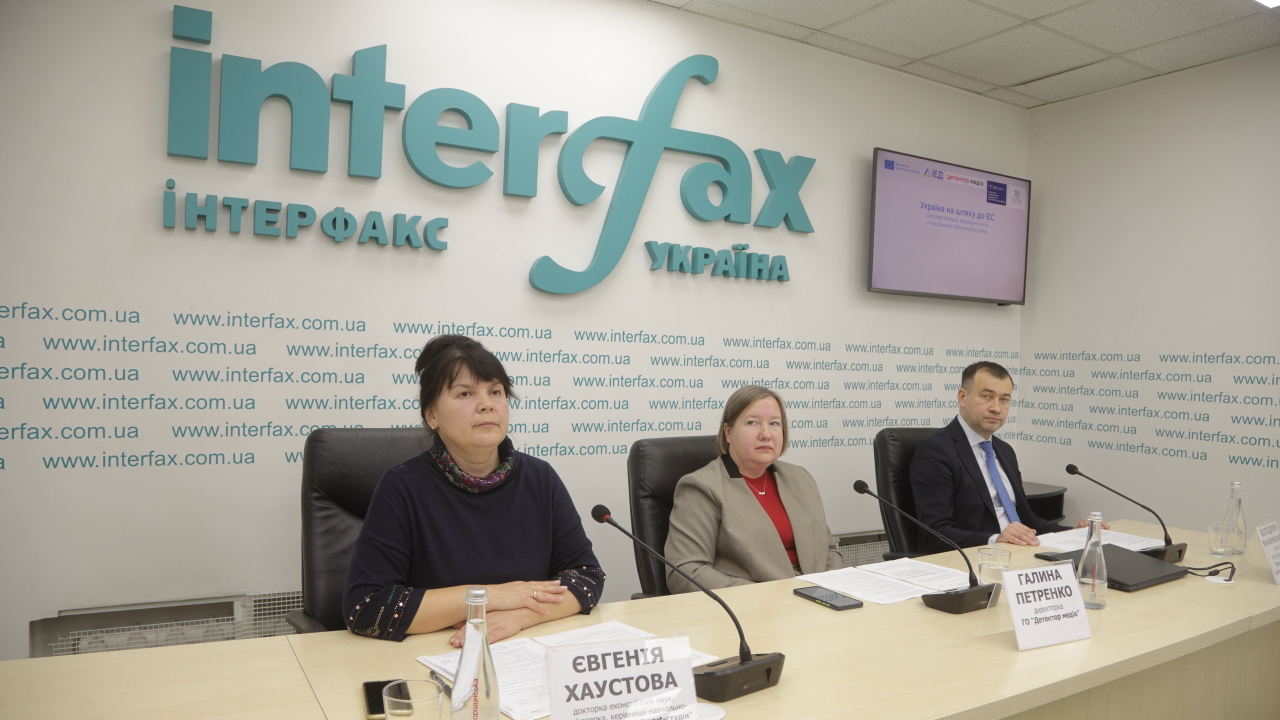
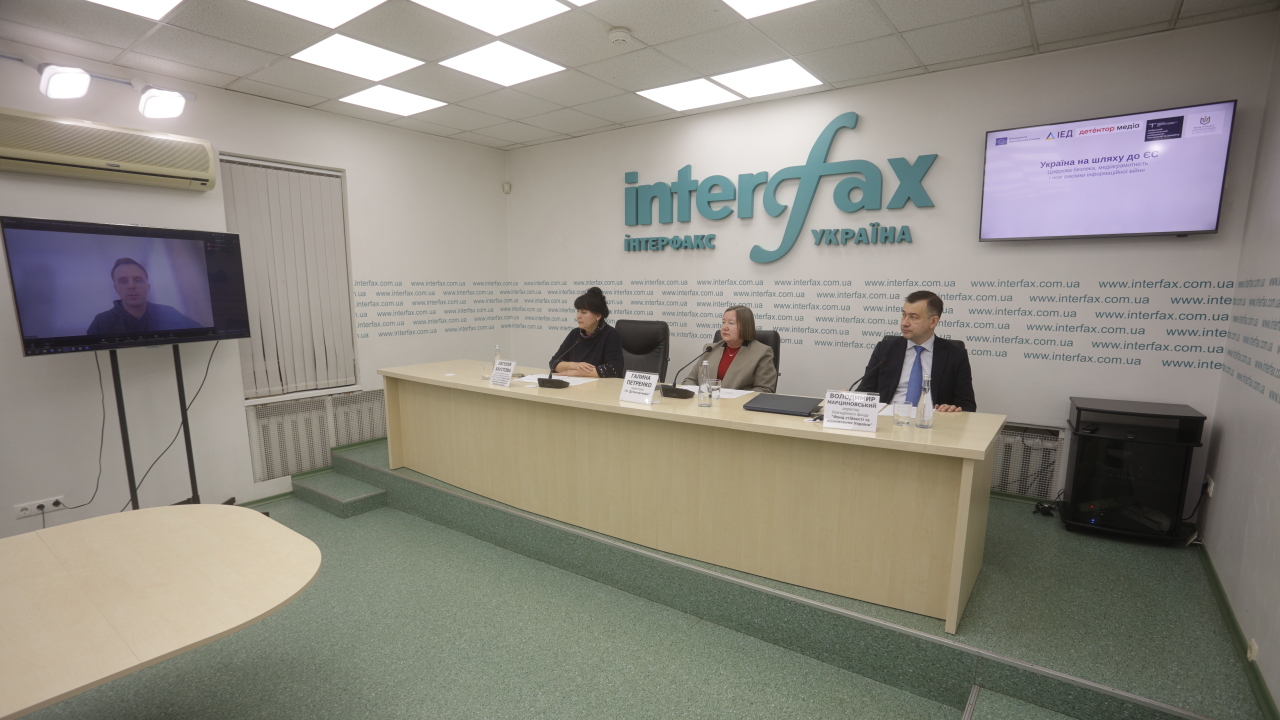









The project, "Digital Security for Citizens: Countering Disinformation, European Data Protection Standards and Media Literacy on Ukraine's Path to the EU", is being implemented with financial support from the European Union under the Resilience and Engagement for Ukraine (REU) programme, implemented by the Institute for Economic Research and Policy Consulting (IER).
According to Yevhen Anhel, Senior Research Fellow at IER, the grant funding mechanism is a pilot initiative. Following a competitive selection process, three consortia were awarded funding, including the partnership between Detector Media, KNUTD and URRF.
Anhel said the initiative is expected to continue after the completion of the pilot phase. He also noted that the European Union places considerable emphasis on supporting the harmonisation of Ukrainian legislation with EU law, including through the involvement of civil society organisations in the relevant reforms.
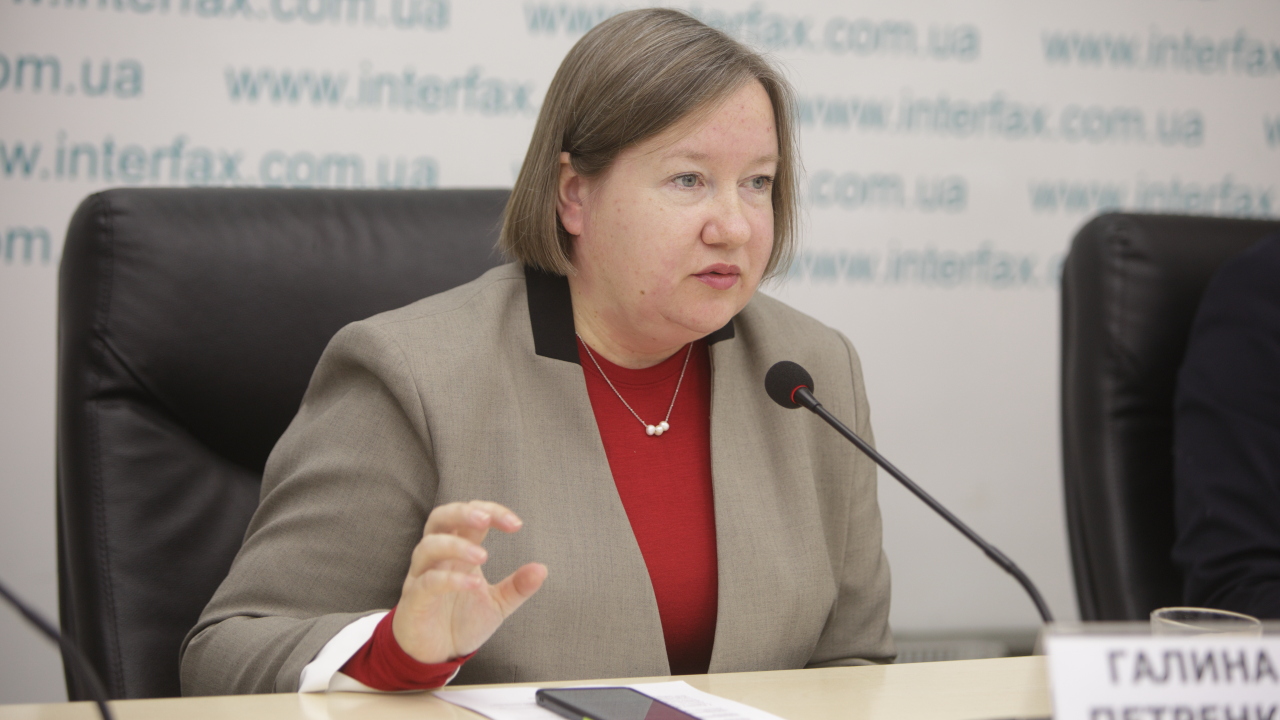
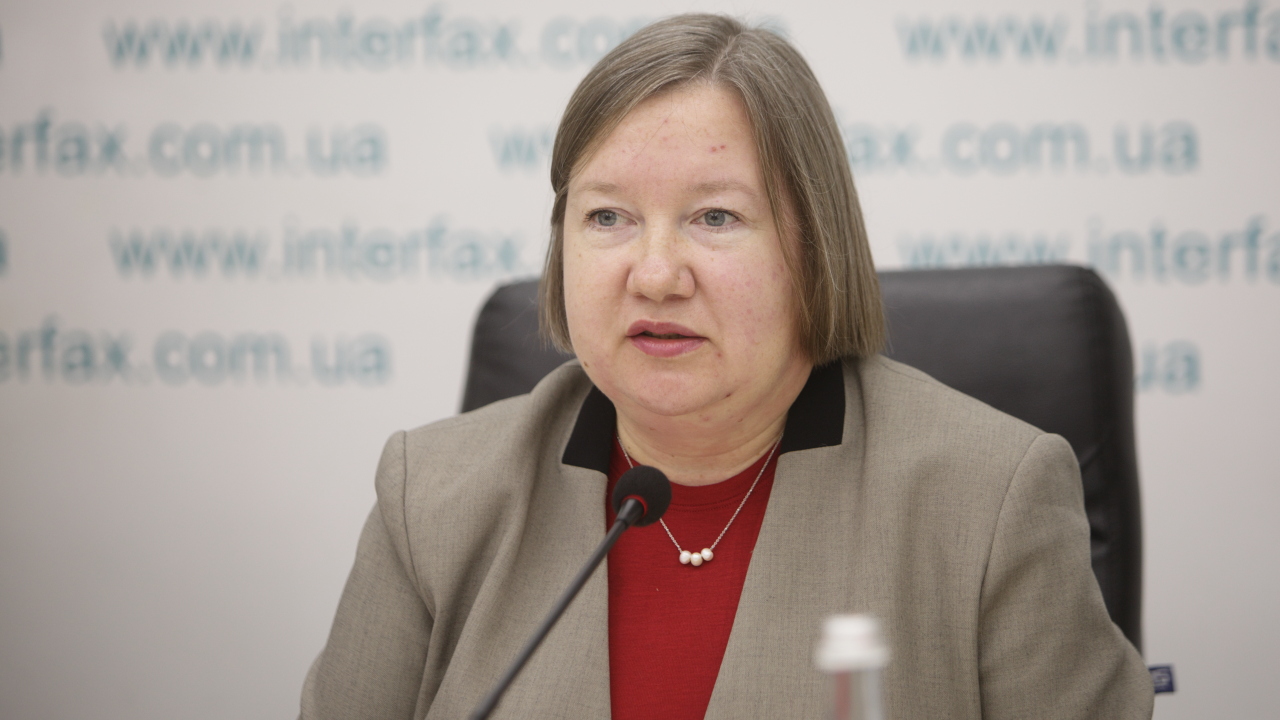
Halyna Petrenko, Director of Detector Media, emphasised the need for a comprehensive approach to countering Russian disinformation, which remains one of the instruments of information aggression against Ukraine.
According to Petrenko, the spread of manipulative content through social media, digital platforms and emerging technologies, including artificial intelligence, poses additional risks to public trust and citizens' ability to make informed decisions.
At the same time, effective efforts to counter disinformation should focus not on restricting freedom of expression but on developing critical thinking, media literacy, fact-checking skills and support for independent media.
The project will include the preparation of analytical and educational materials, thematic events and public discussions, as well as the establishment of a permanent online information platform hosted by Detector Media. The platform is intended to provide a forum for expert analysis, practical guidance and research on digital security, media literacy and European digital policy standards.
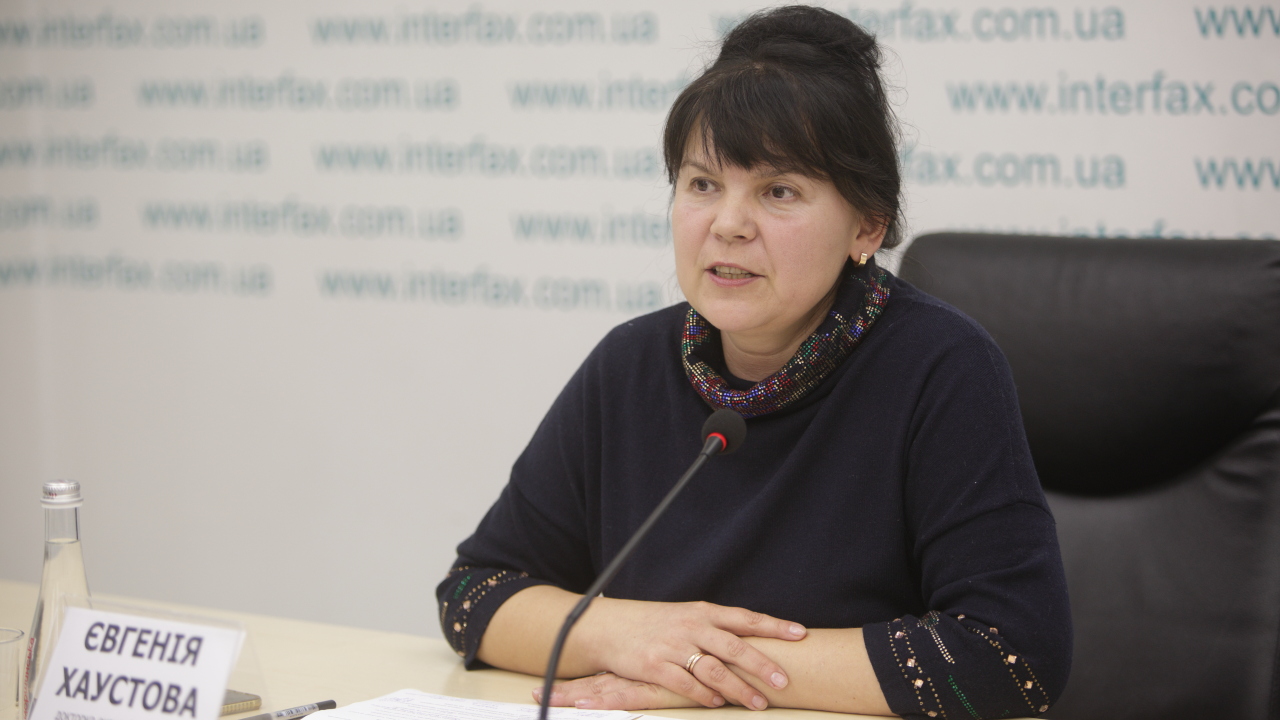
Yevheniia Khaustova, Doctor of Economic Sciences and Professor at KNUTD, highlighted the importance of education in building digital resilience and preparing citizens to apply European standards in their everyday lives.
In particular, this concerns personal data protection, citizens' digital rights, the responsible use of digital technologies and a practical understanding of the principles of the EU General Data Protection Regulation (GDPR).
KNUTD will be responsible for the project's academic and educational component, involving lecturers, researchers and students in preparing analytical materials, delivering lectures, organising expert discussions and conducting educational activities.
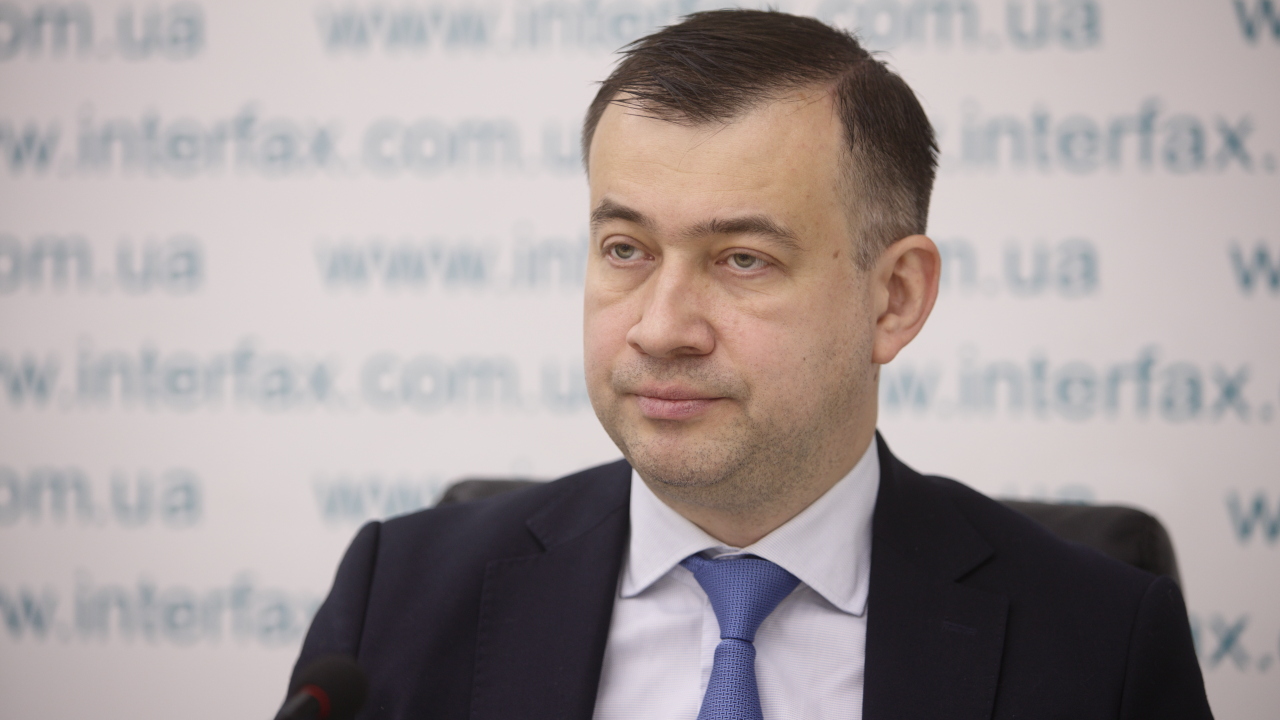
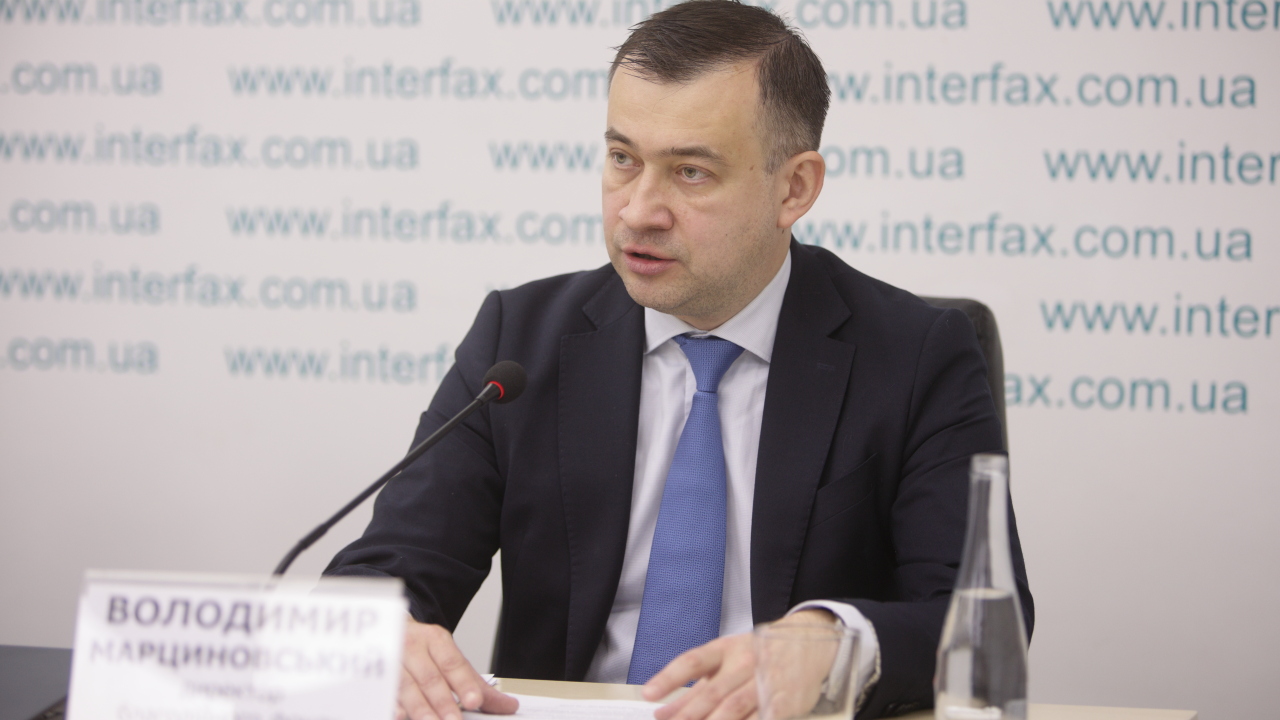
Volodymyr Martsynovskyi, Managing Director of Ukraine Resilience & Recovery Foundation, said that digital resilience is an integral part not only of Ukraine's national security but also of the security of European countries.
According to Martsynovskyi, Russian information operations extend far beyond Ukraine's borders and pose a threat to democratic institutions, public trust and Europe's information environment.
Martsynovskyi stressed that strengthening Ukraine's digital resilience would also contribute to the resilience of Europe's information environment. He identified international cooperation and the promotion of European standards for information security and personal data protection as essential prerequisites for achieving this objective.
Within the consortium, URRF will be responsible for developing partnerships, international communications, stakeholder engagement and facilitating the dissemination of the project's results.
The press conference participants noted that the partnership model brings together the expertise of an independent media organisation, the academic and educational capabilities of a university, and the international cooperation capacity of a charitable foundation.
The project is expected to help improve digital literacy among Ukrainians, develop skills to counter information manipulation, promote European standards for personal data protection and strengthen civil society participation in Ukraine's European integration process.
As previously reported, Resilience and Engagement for Ukraine (REU) programme is implemented by the Institute for Economic Research and Policy Consulting with financial support from the European Union.
