

Kyiv has spent more than UAH 16 billion on strengthening its energy security since the start of 2026, compared with UAH 2 billion last year, and plans to spend another UAH 4.5-5 billion by year-end, Managing Director of the Energy Industry Research Center Oleksandr Kharchenko has said.
However, the city needs a further EUR 1.5 billion to complete the necessary work, Kharchenko said at a discussion hosted by Interfax-Ukraine on Friday.


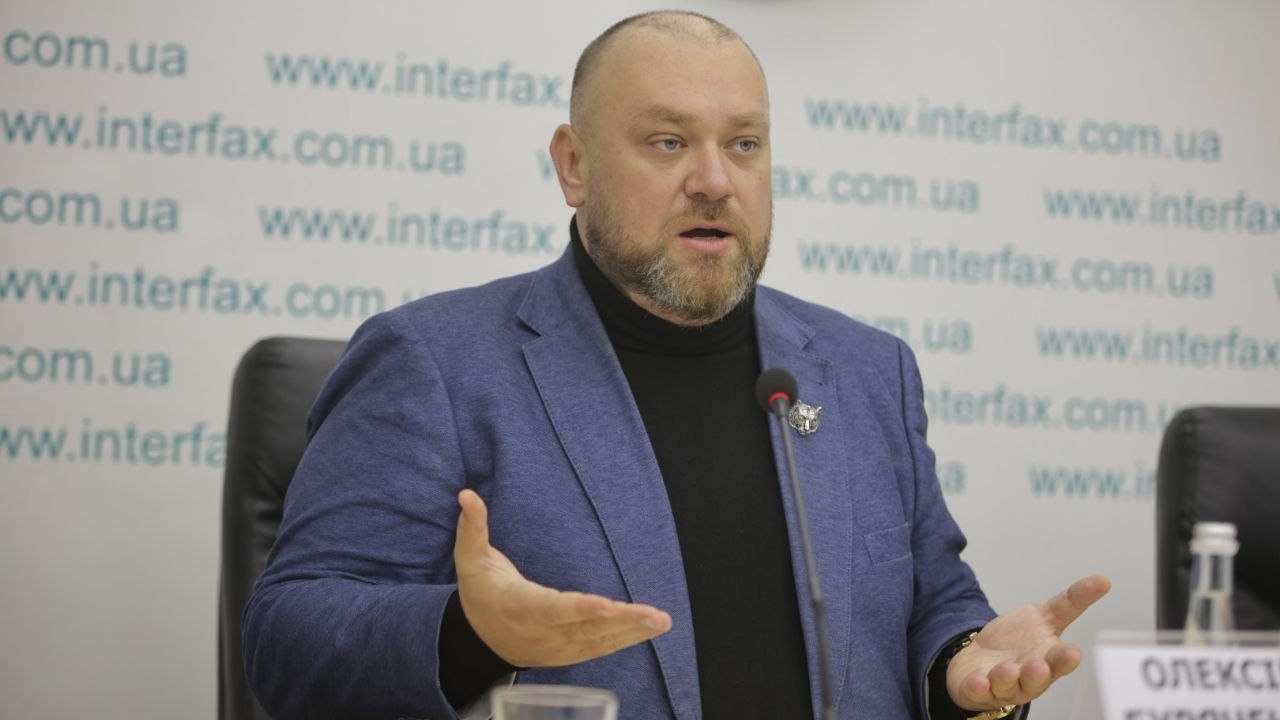




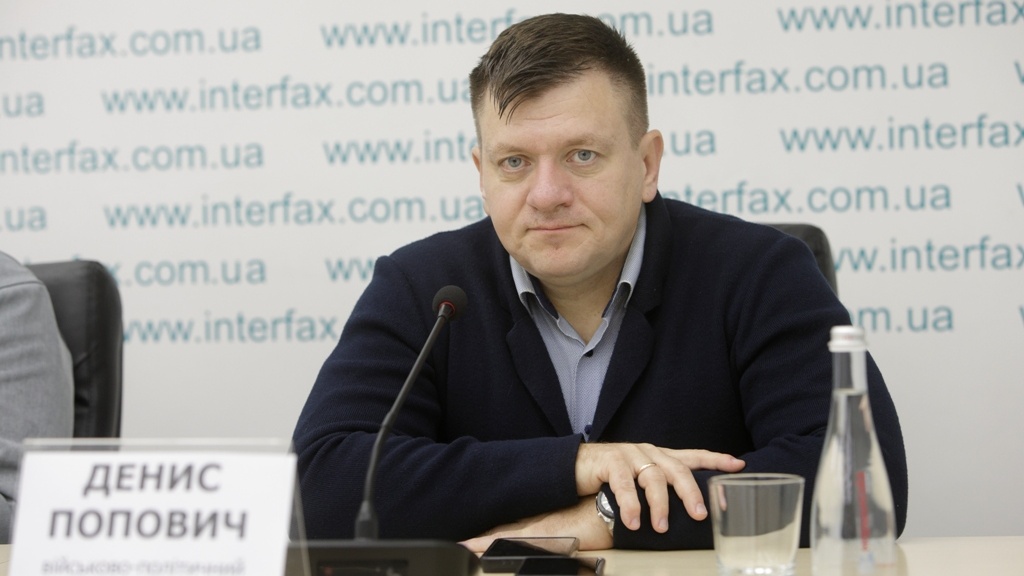













"This is effectively a tenfold increase in investment, specifically in security measures. This includes protecting high-voltage substations and providing backup power for core sewage and heating systems," he said.
The preparations have been funded mainly from the city budget, with the central government accounting for only about 10%, Kharchenko said.
"The national budget is not in very good shape, and payments through Treasury accounts were blocked for more than a month. This hit all local authorities hard, including their preparations for winter," he said.
As a result, some equipment that cities had planned to install by November or December will be commissioned later because of the four-week pause.
Kharchenko said Kyiv's entire internal generating capacity was physically destroyed in January 2026. Before that, the city had about 1.3 gigawatts of generating capacity, while electricity demand reaches about 2 GW at temperatures of minus 10 degrees Celsius and is around 1.2 GW in milder weather.
Without in-city generation, the metro and water utility pumping stations switch to backup power, limiting their ability to provide full services, he said.
Kharchenko said the city had protected key systems against major technological failures. However, maintaining water circulation and filling reservoirs does not necessarily ensure adequate pressure in elevated districts such as Pechersk. That requires the main power supply lines serving water utility facilities to remain operational, he said.
"Some inconvenience this winter is almost inevitable," Kharchenko said.
Most cities cannot complete energy security projects in a single seven- to eight-month season because of engineering and regulatory requirements. Such projects take two to three years, he said.
Ukraine as a whole may need UAH 250-300 billion annually for at least another two years to strengthen its energy security, Kharchenko said.
