
The upcoming winter of 2026-2027 in terms of energy supply will be difficult, but not catastrophic and no more difficult than the last one, and it will be successfully navigated, believes Oleksandr Kharchenko, Director of the Center for Energy Research (CER).
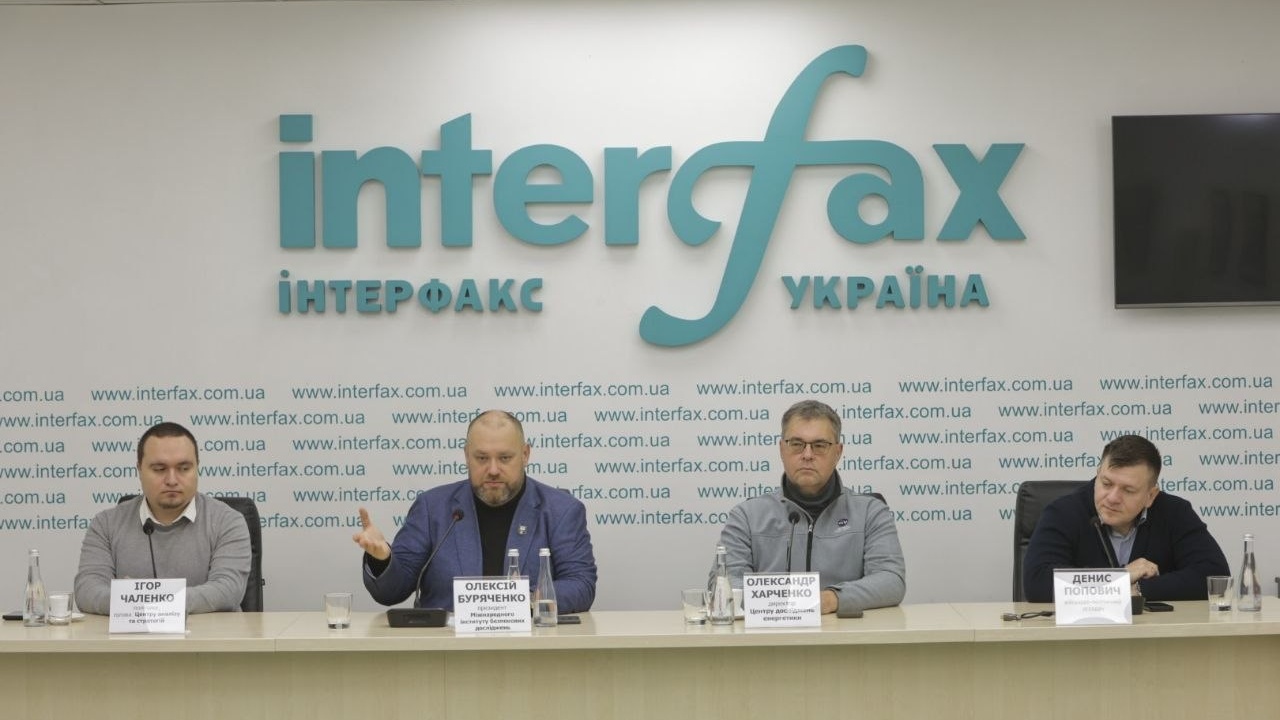
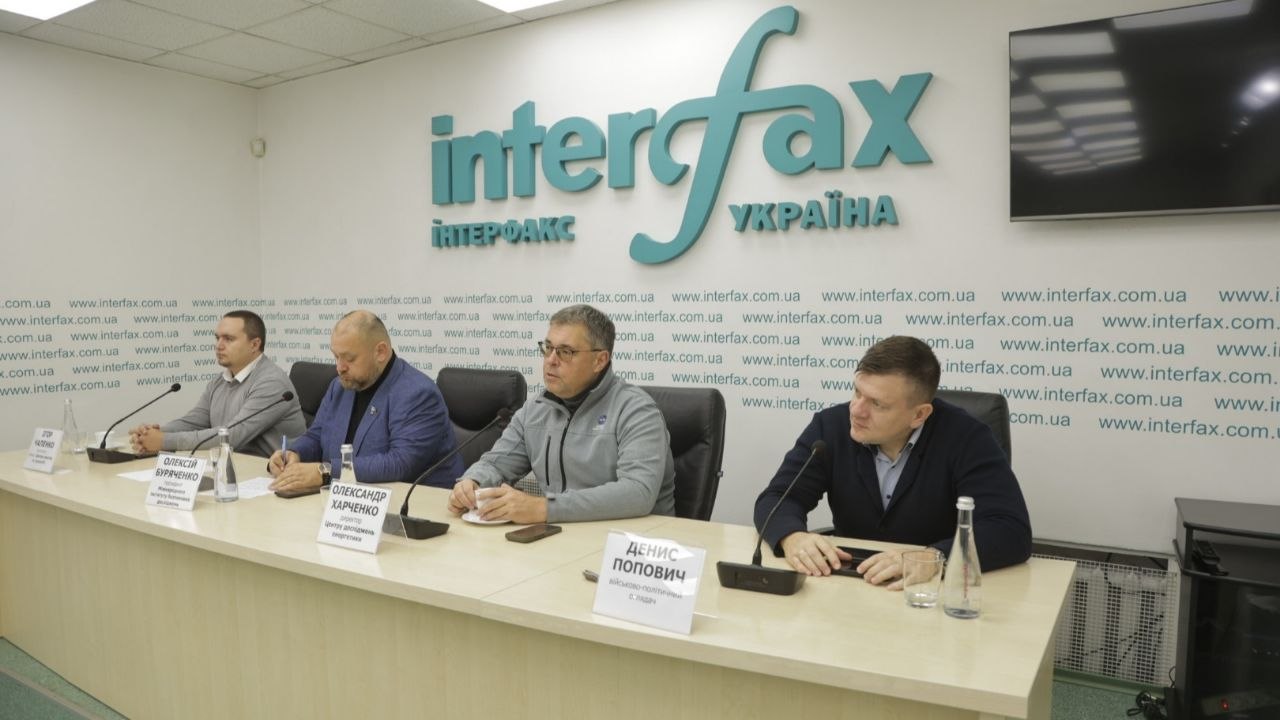
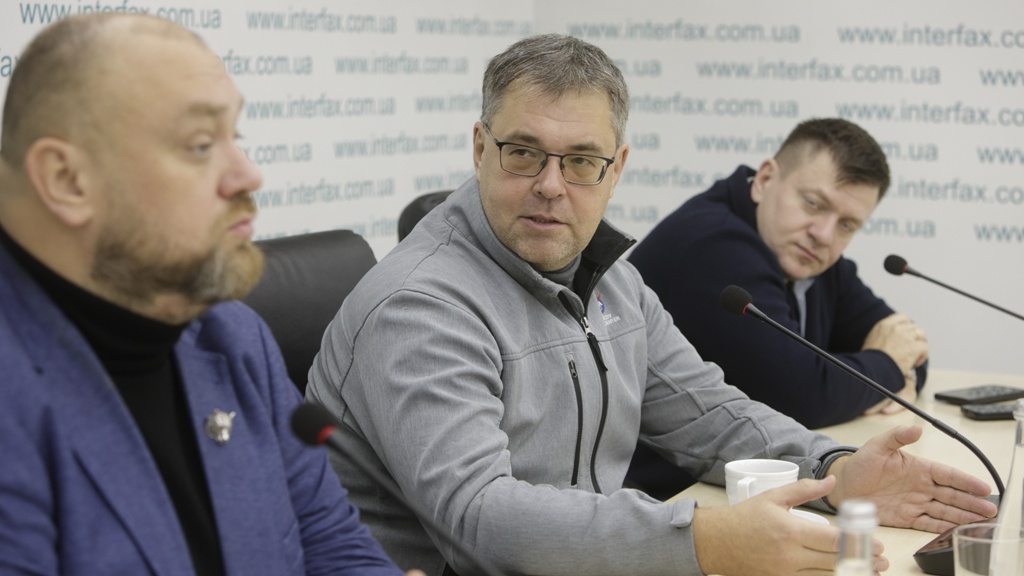
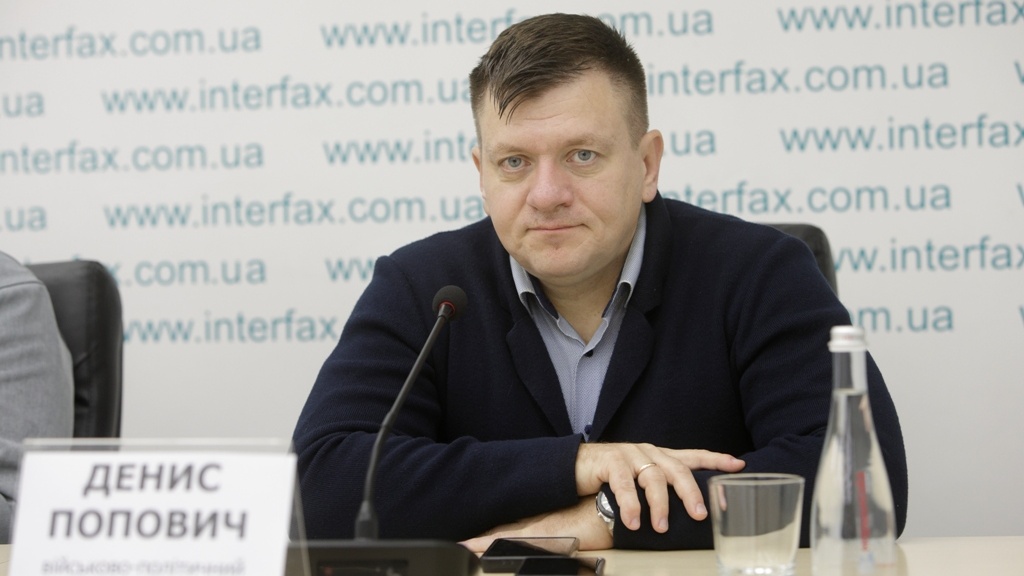
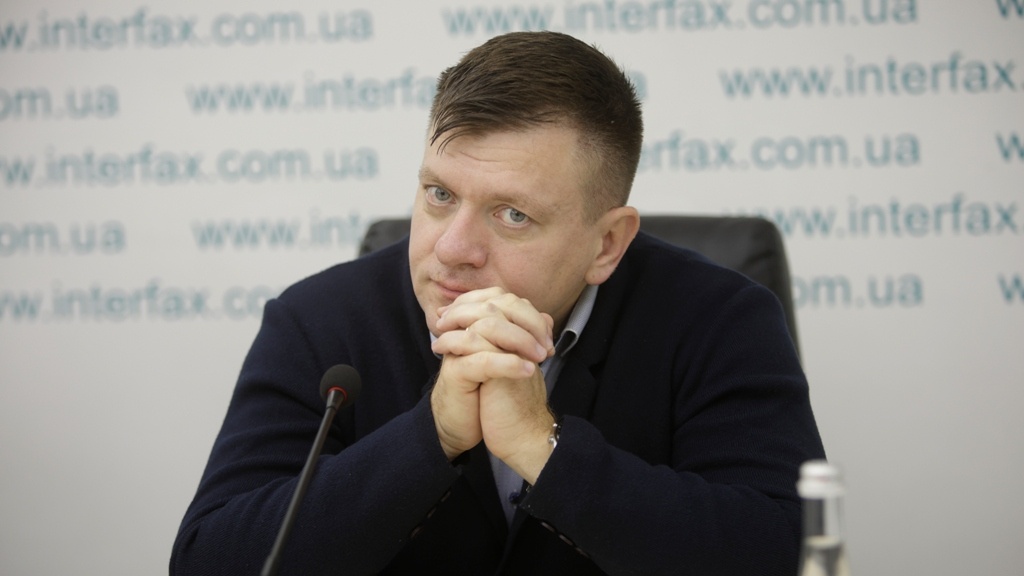












"I am absolutely certain that we will get through the season. Despite all the challenges, there is an understanding of how to proceed. There are a sufficient number of scenarios, people who are ready to execute these scenarios, and the means with which they will be carried out (...) And I do not think that the winter will be more difficult than the last one. Rather the opposite," he said during a discussion on "Ukraine on the Threshold of Winter: Energy, Defense, and the New Diplomatic Reality" at the Interfax-Ukraine news agency on Friday.
According to the expert, the main factor of uncertainty for the energy sector right now is the weather. At temperatures of minus 10 degrees Celsius, scheduled power outages can reach 10-12 hours. In energy-deficient regions such as Kyiv, Odesa, and parts of Sumy and Chernihiv regions, scheduled outages may be quite long. At the same time, with milder weather, the restrictions will correspondingly be softer.
"Another truly risky component is heating. There are high risks that there will be attacks on large thermal facilities in Kyiv; they will undoubtedly happen, they happen constantly," Kharchenko emphasized.
However, according to him, a significant part of the capital's heat infrastructure is protected, and power engineers understand how to act after facilities are damaged.
"Whatever we could protect, we protected; whatever we couldn't – well, let's say, we know how to maneuver with that," he added.
At the same time, in those cities where there are actually only two or three boiler houses, if they are destroyed, a significant threat to heat supply will arise, and much in critical conditions will depend on how these cities prepared for winter.
In turn, as Kharchenko explained, energy engineers have more or less come to terms with the factor of Russian missile and drone attacks and understand that the intensity of these attacks will neither increase nor decrease cardinally.
"That is, they are not capable of inflicting more massive strikes than they are currently inflicting," he believes.
The expert added that these strikes have their own periodicity and a certain rhythm, and energy engineers understand how to respond to them, how to restore power supply to consumers as quickly as possible, and how to return core municipal infrastructure systems to operation as soon as possible.
