
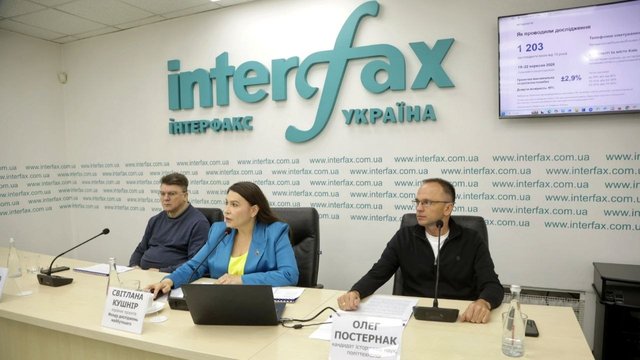
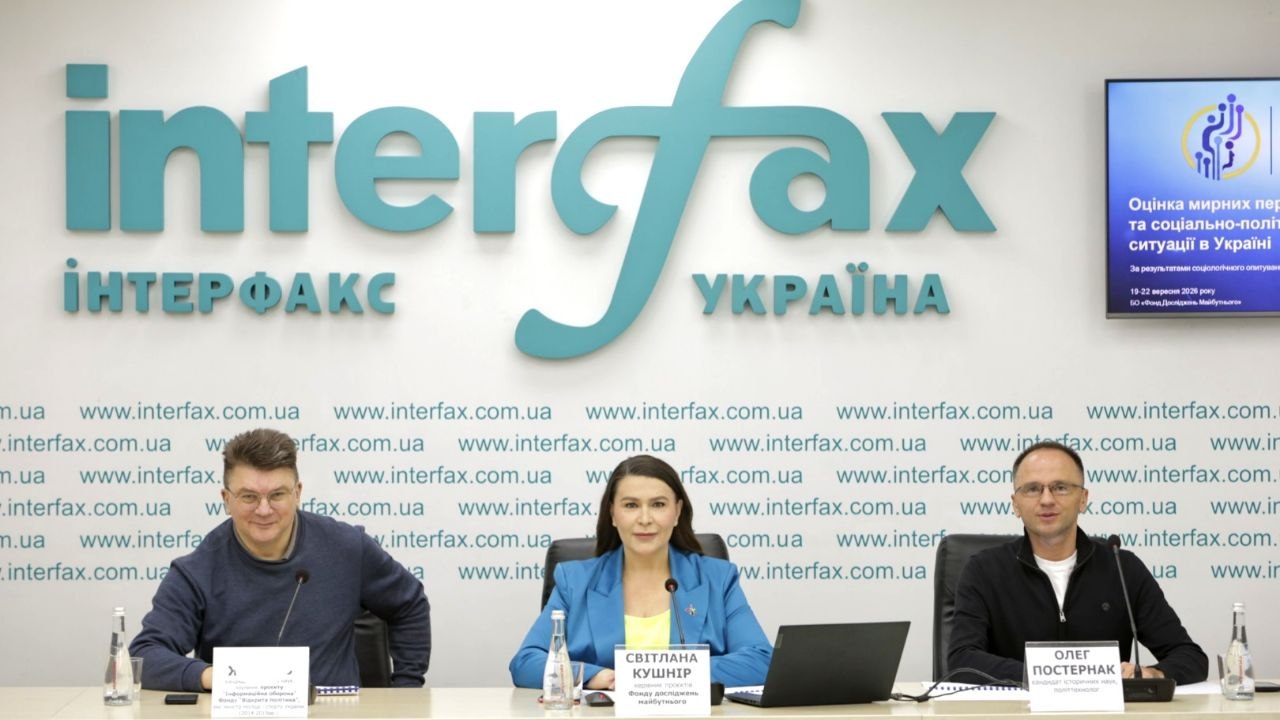
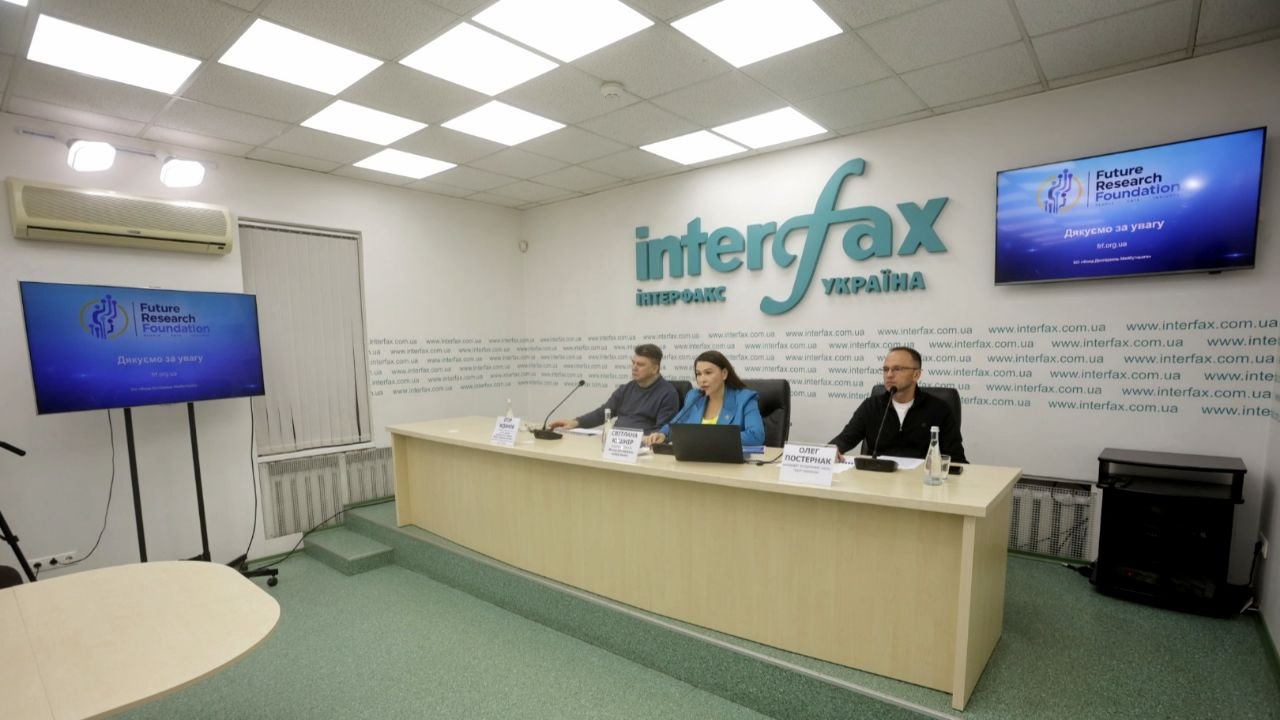
Current and former representatives of the security and defense sector are leading in the trust ratings among state, military, and political figures among Ukrainian citizens, according to the results of a sociological survey conducted by the Future Research Foundation and presented during a press conference at the Interfax-Ukraine news agency on Thursday.
The trust rating is headed by Ukraine's Ambassador to the United Kingdom and former Commander-in-Chief of the Armed Forces of Ukraine (2021–2024), Valeriy Zaluzhny, whom 53.9% of respondents trust and 37.7% distrust. In second place is Head of the Presidential Office and former Chief of the Main Directorate of Intelligence of the Ministry of Defense of Ukraine (2020–2026), Kyrylo Budanov, with 49.3% trust and 42.8% distrust, followed in third place by current Commander-in-Chief of the Armed Forces of Ukraine, Mykhailo Drapaty, who is trusted by 48.6% and distrusted by 31.3%.
Incumbent President of Ukraine Volodymyr Zelensky ranks fourth with 39.4% trust and 53.6% distrust. The highest levels of distrust were expressed toward Batkivshchyna All-Ukrainian Union leader and former Prime Minister Yulia Tymoshenko (85.3%) and European Solidarity party leader and fifth President of Ukraine Petro Poroshenko (78%).
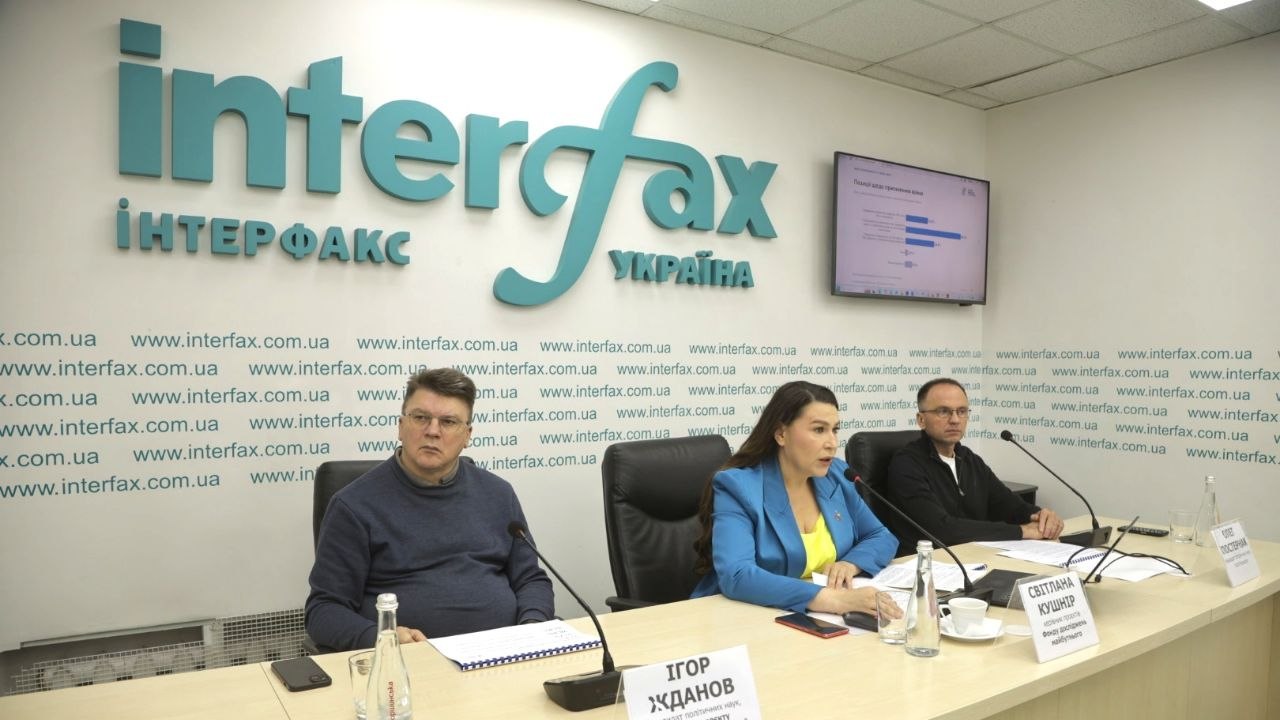
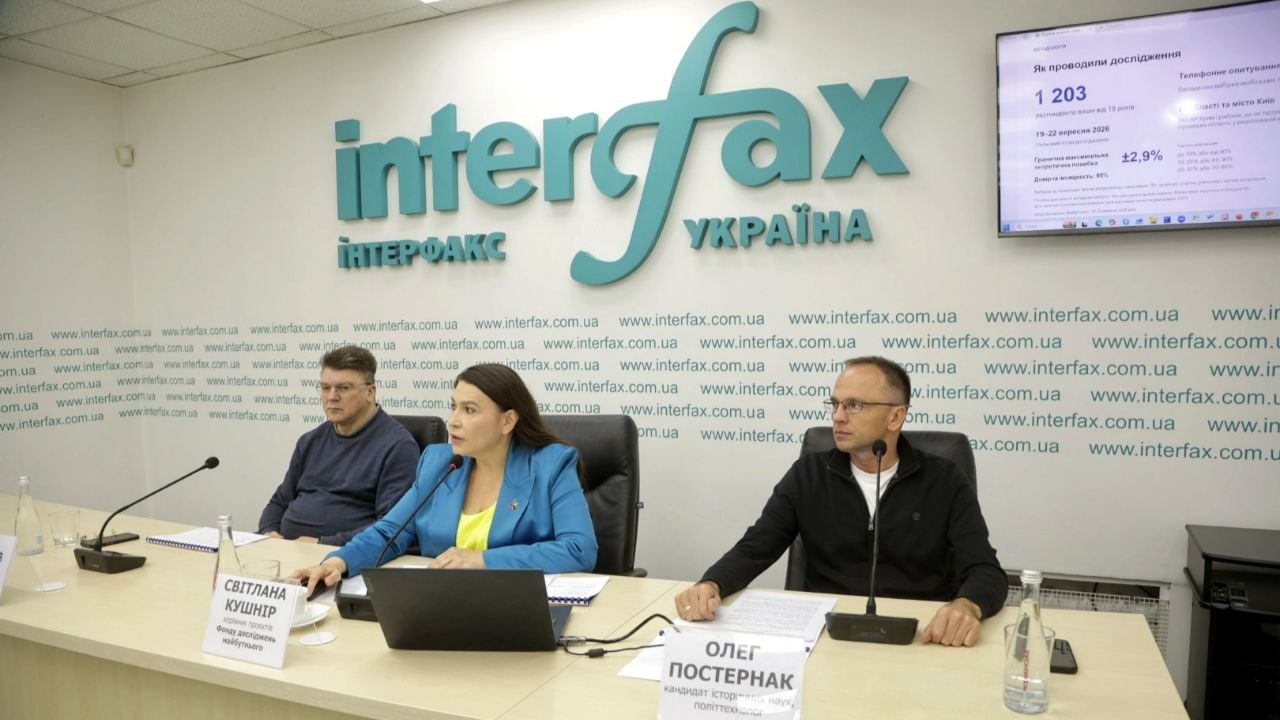








At the same time, Zelensky leads the presidential rating. To the question "If presidential elections were held next Sunday, who would you vote for?", among those who have decided and intend to vote, 23.6% would vote for him (17.2% among all respondents), and 22.7% for Zaluzhny (16.6% overall).
Former Defense Minister Mykhailo Fedorov would take third place with 8.5% of decided respondents (6.2% overall), followed by Budanov with 8.4% (6.1%), and Poroshenko with 7.3% (5.3%).
In the event of parliamentary elections in the near future, Zaluzhny's political project would receive the greatest support (19%). High support would also go to Zelensky's party (13.6%), Fedorov's party (10.1%), Budanov's party (9.1%), and European Solidarity (7.7%). Additionally, political projects led by Kharkiv Mayor and Head of the Association of Frontline Cities of Ukraine Ihor Terekhov (7.2%) and the 3rd Assault Brigade party (5.6%) could enter parliament, while Reasonable Politics party is balancing on the verge of the 5% threshold (4.9%). Several other parties poll at 1% or higher, thus failing to clear the 5% electoral threshold.
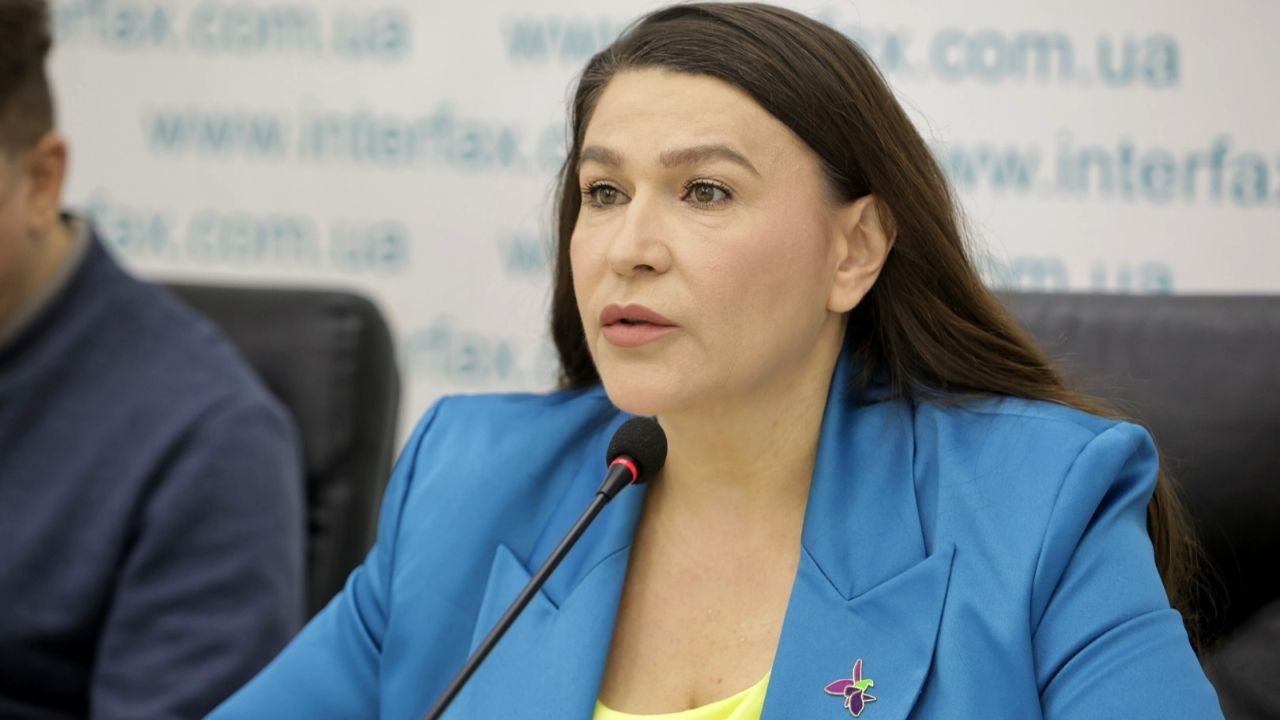
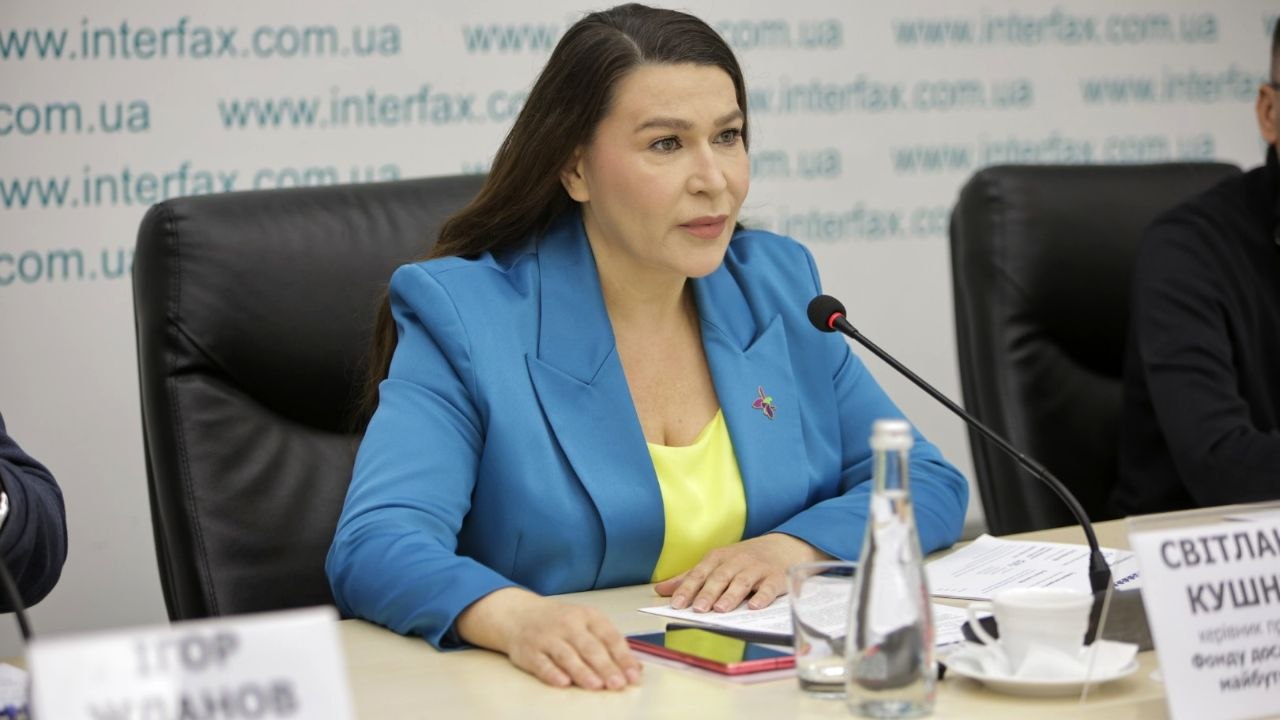
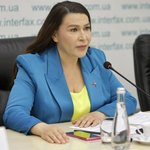
"This may indicate a significant potential for the reformatting of citizens' political preferences in the future. Even those forces that currently have one percent could reach the passing five percent," noted Svitlana Kushnir, project manager at the Future Research Foundation.
There is a high proportion of undecided voters (16.4% among all respondents) or those who do not plan to participate in voting (8.6%).
"Against the background of transforming public demands, Ukrainians' electoral sentiments demonstrate high dynamics and at the same time significant uncertainty. Currently, the electoral field remains ultimately unformed. And the level of support for key players and new initiatives indicates that while the electoral field is unformed, both veterans and new political projects have a chance," political strategist and Candidate of Historical Sciences Oleh Posternak said during the discussion of the survey results.
The survey was conducted from September 19 to 22 using the CATI (computer-assisted telephone interviewing) method with a random sample of mobile numbers among 1,203 respondents aged 18 and older across all government-controlled territories of Ukraine. The marginal maximum theoretical sampling error does not exceed 2.9% with a 95% confidence probability.
