
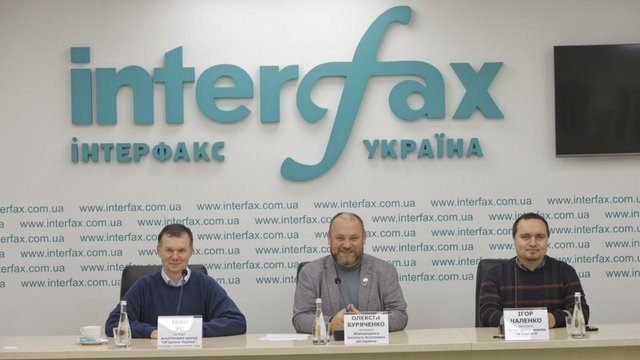
The Carpathian Eight (C8) format has prospects for further development as a platform for regional cooperation among all member countries in the areas of economy, security, energy and infrastructure, despite political differences among some participating countries, political scientist and head of the Center for Analysis and Strategies Ihor Chalenko said.
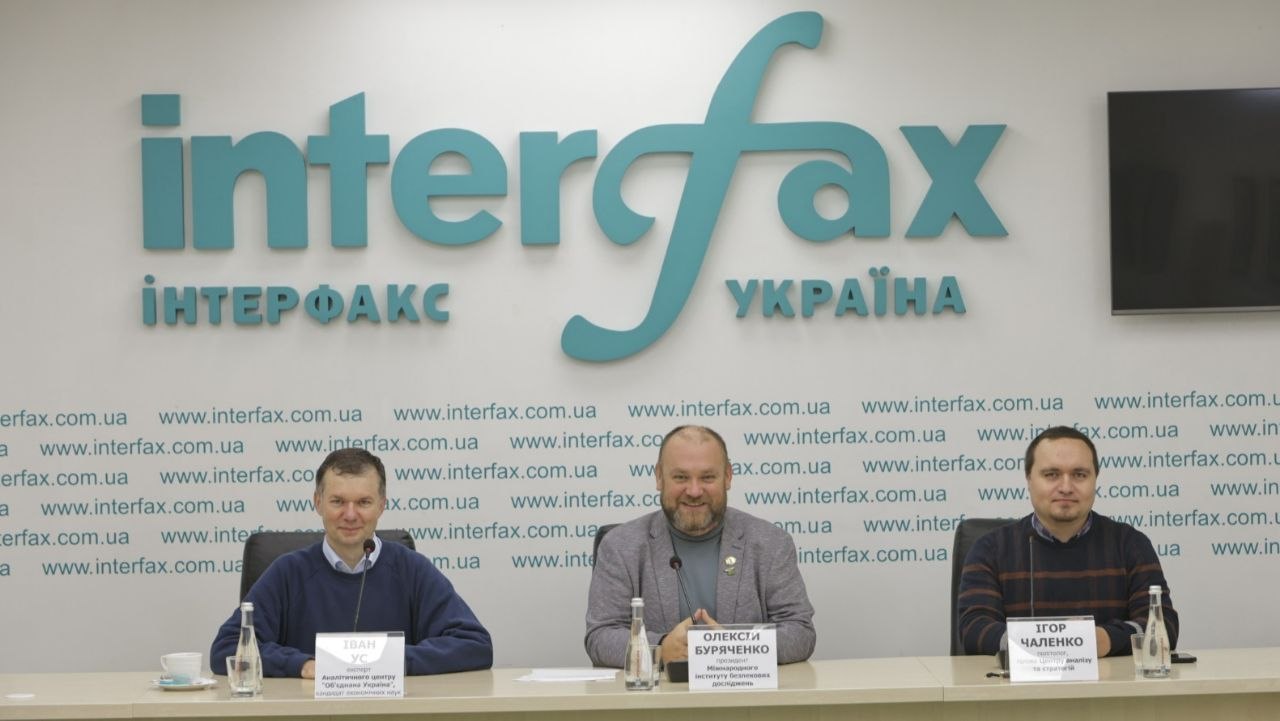
"The Carpathian Initiative is primarily a political platform within which economic, security, cultural and other dimensions of cooperation can develop. At the same time, the economic component was one of the key motives for its creation," Chalenko said during a discussion at the Interfax-Ukraine press center on "Carpathian Initiative (C8): From Regional Cooperation to a New Role for Ukraine in Europe" on Friday.
According to him, despite a political demarche by the Hungarian leadership, Budapest remains interested in practical economic cooperation within the new format.

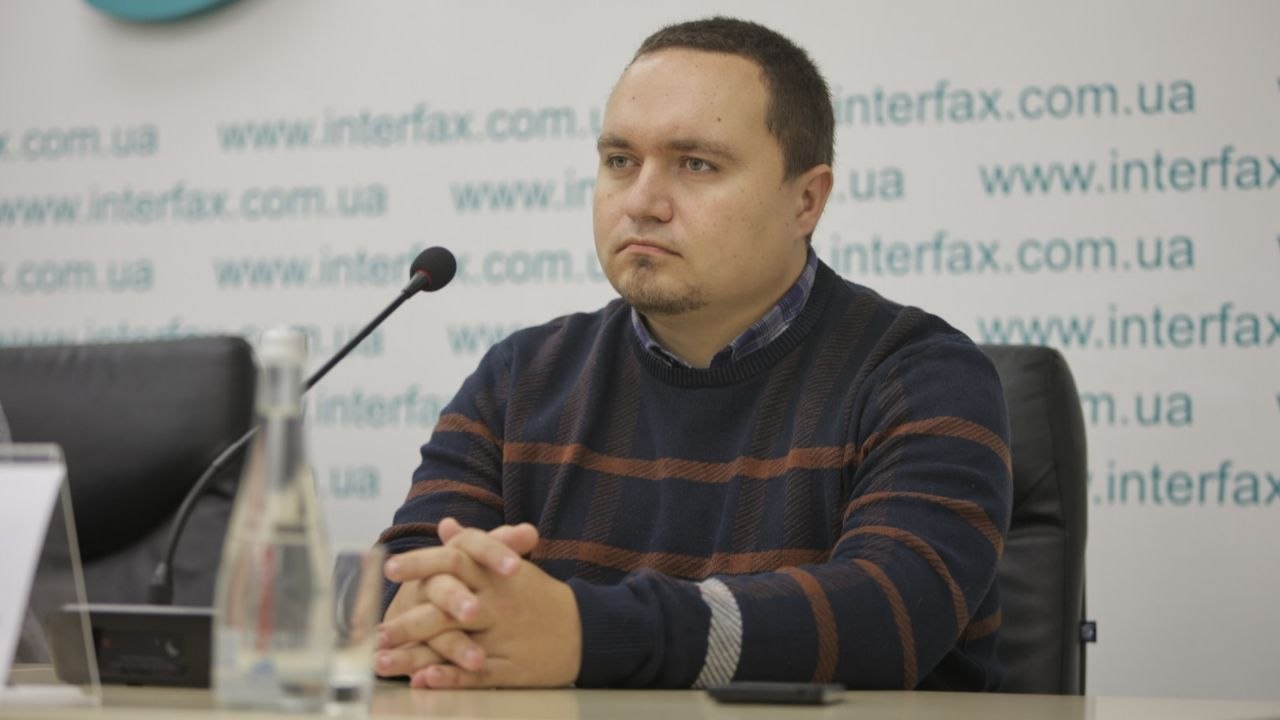
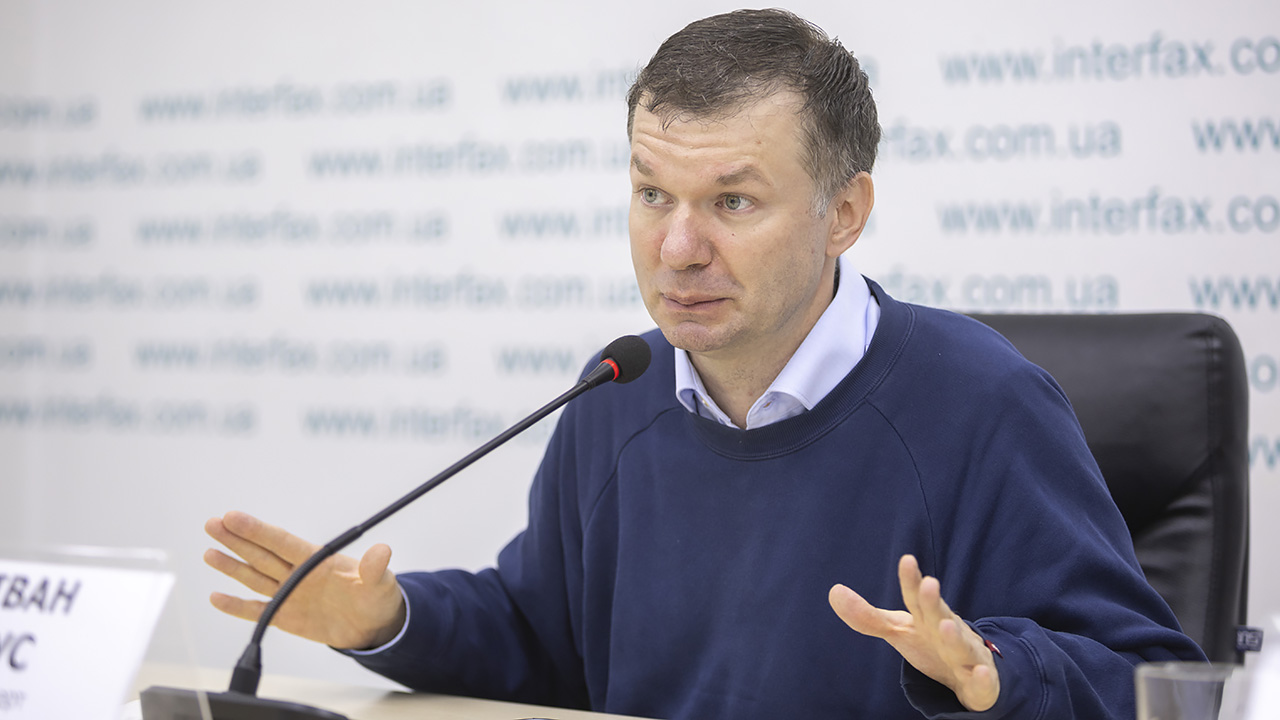
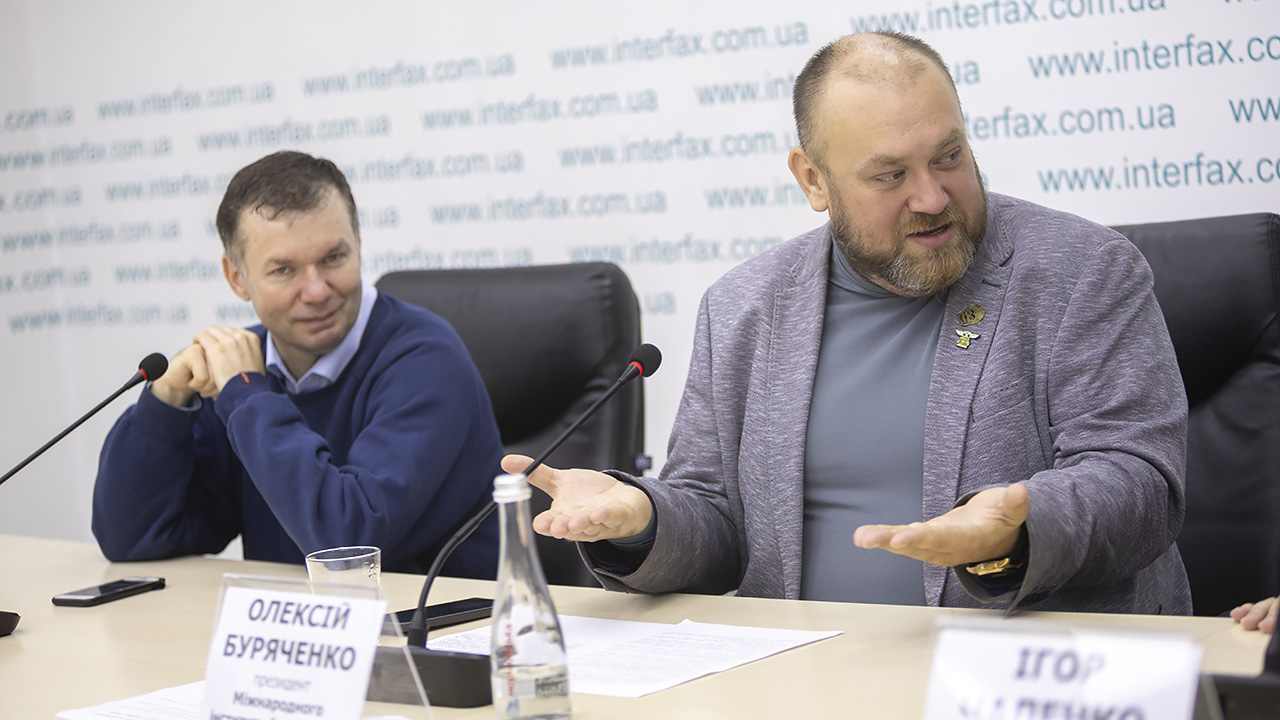
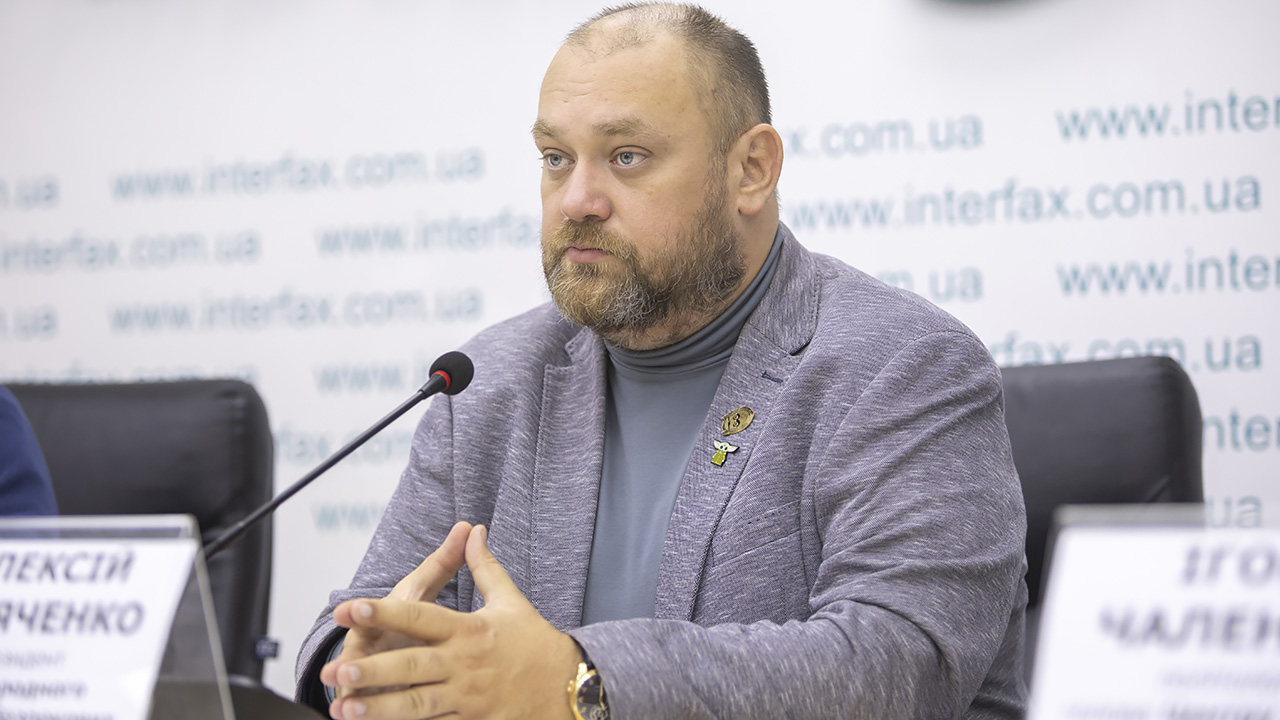
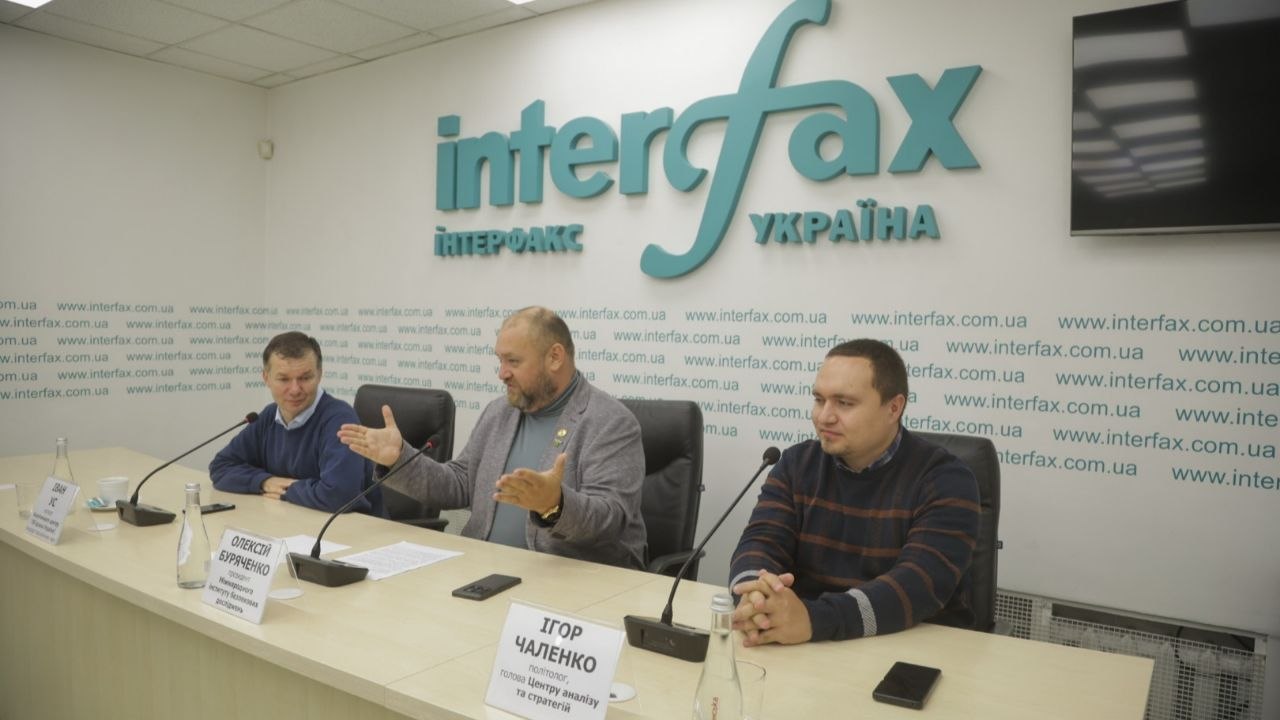
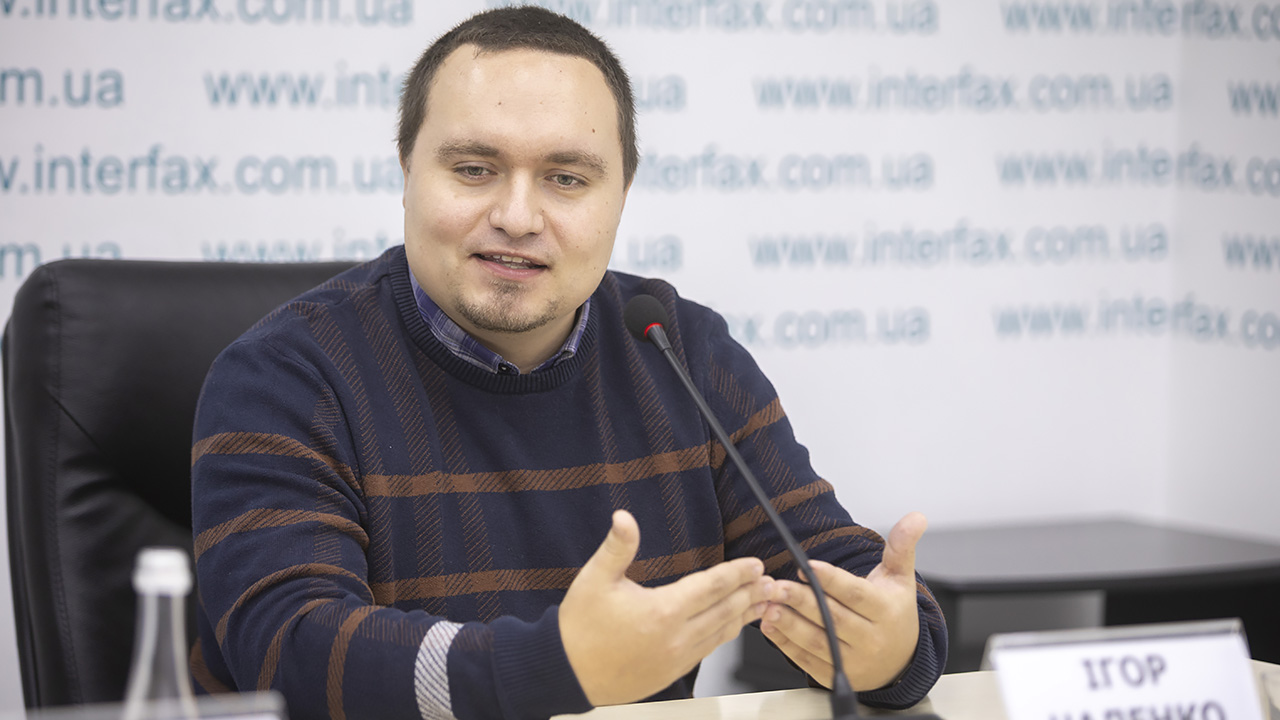









Chalenko also called claims that there were no consultations with the Hungarian side on creating the initiative disinformation. According to him, consultations between the sides had been underway since at least November 2025 and intensified at the foreign ministry level in the summer of this year.
The political scientist also drew attention to the prospects for Ukrainian-Hungarian cooperation in the energy sector, particularly in the context of the future use of the Druzhba oil pipeline after the current contractual arrangements expire. "We need to demonstrate stability and a high level of reputation. Unfortunately, the political statements recently coming from the Hungarian leadership undermine this reputation," he said.
Chalenko stressed that the security component of the Carpathian Eight is not directly related to the war but is aimed at creating stable conditions for the development of the economy, energy, tourism and environmental projects in the macroregion.
In his view, the development of regional formats is in line with current trends toward strengthening the role of macroregions in Europe amid a crisis of confidence in traditional supranational mechanisms. "Developing horizontal communications among border regions, oblasts and municipalities has significant potential and makes it possible to build long-term cooperation that does not depend on electoral cycles," the expert said.
In conclusion, Chalenko said he believed that the Carpathian Eight could become one of the successful regional cooperation formats alongside the Bucharest Nine, Nordic-Baltic Eight and other international initiatives.
