
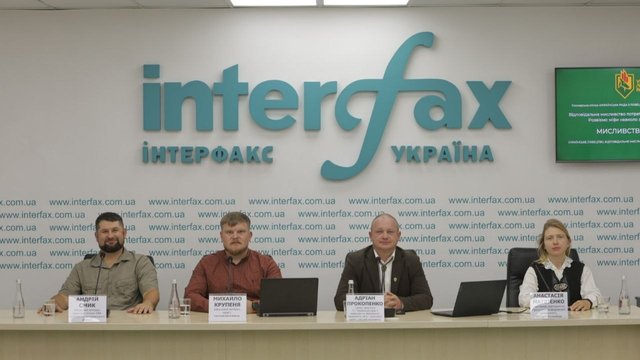
Bill No. 15431, "On Hunting Management, Hunting and Sustainable Use of Game Animals," registered with the Verkhovna Rada, is intended to modernize the outdated legislative framework for the hunting industry, which, in turn, could be incorporated into veteran rehabilitation programs based on U.S. experience, industry representatives, scientists, veterans and wildlife management specialists say.
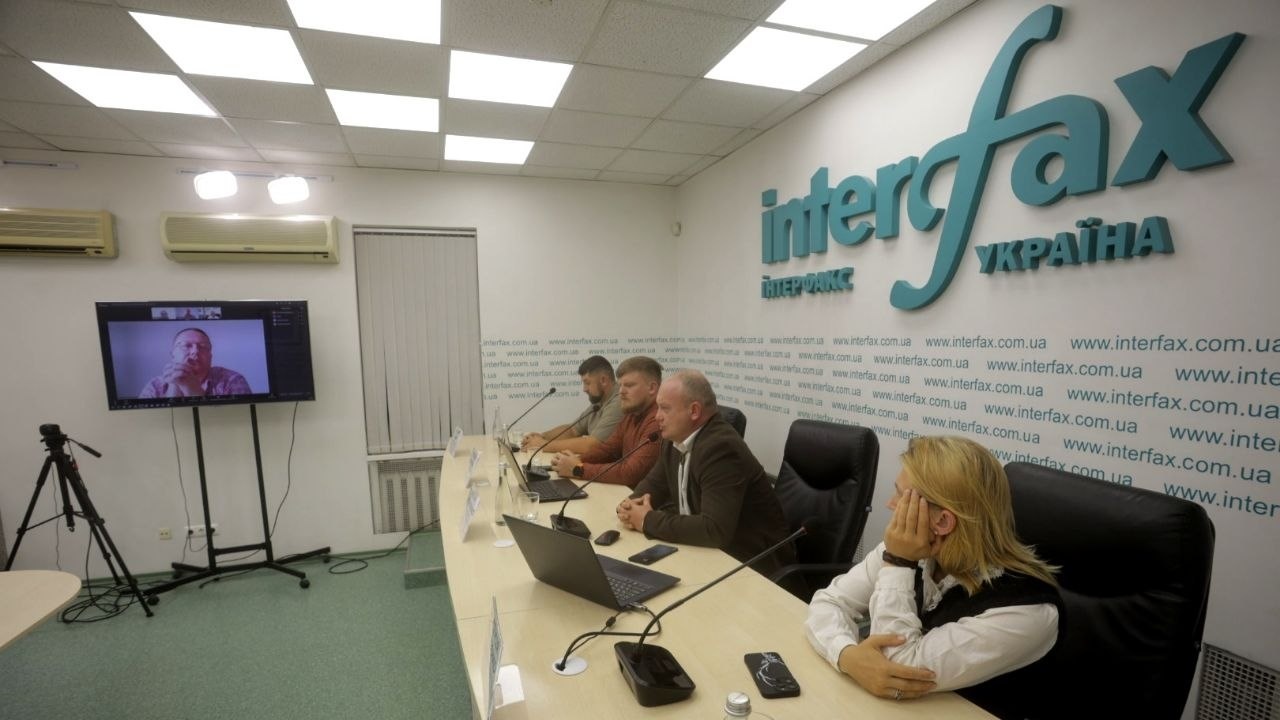
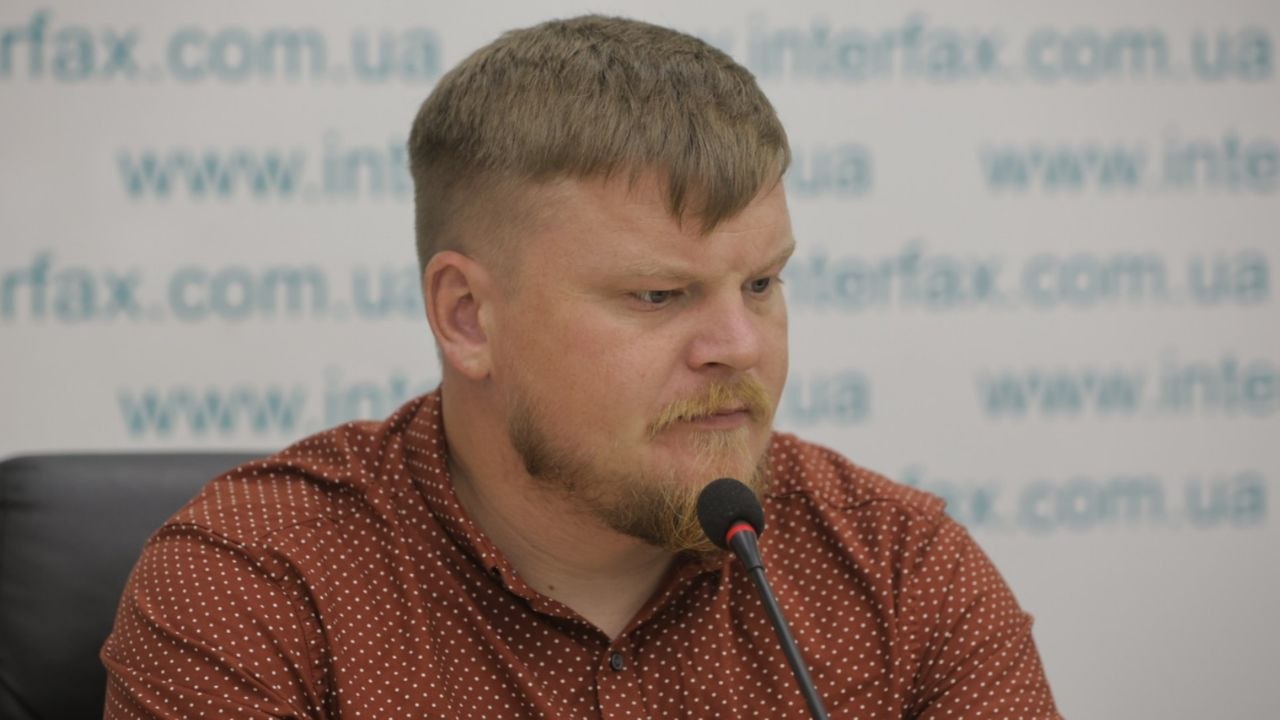
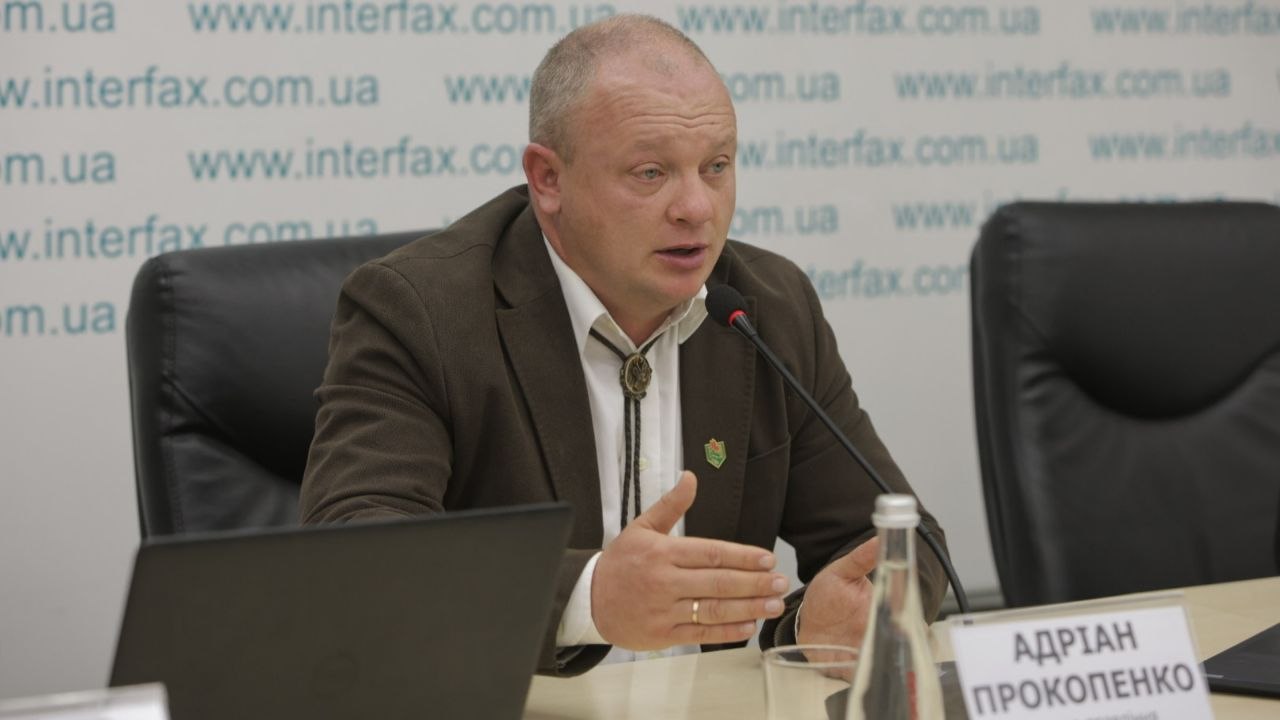
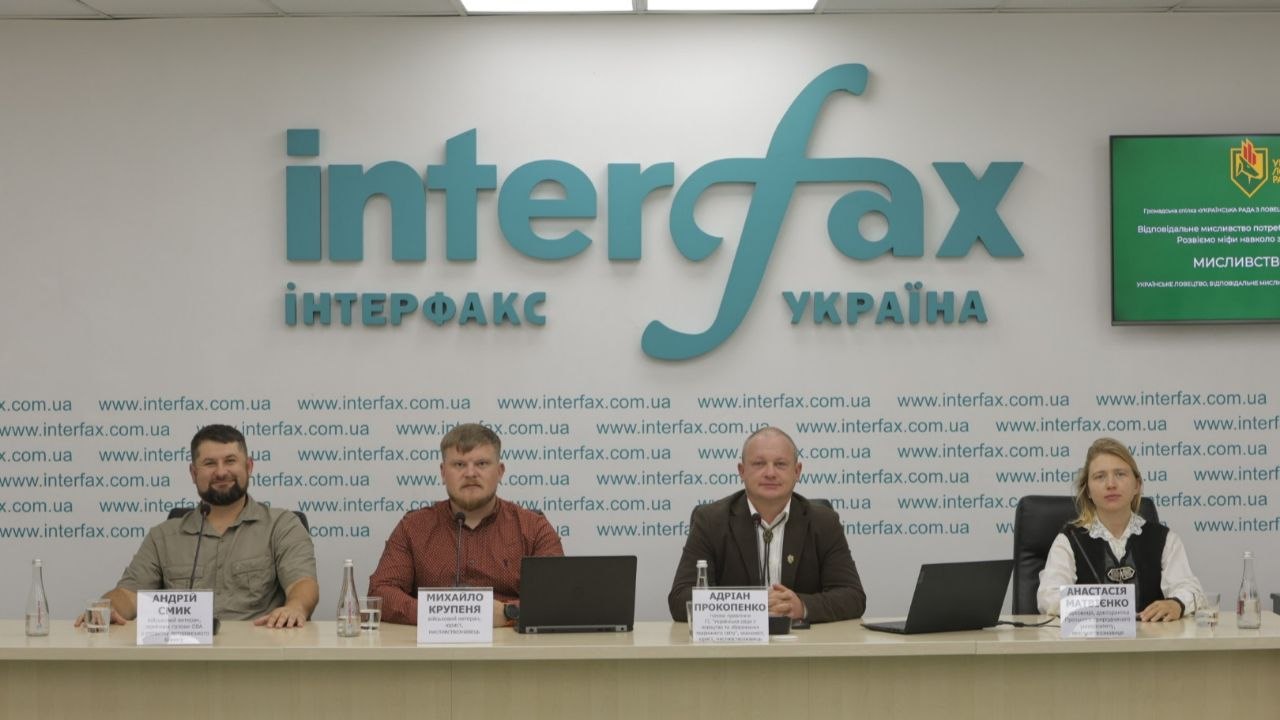
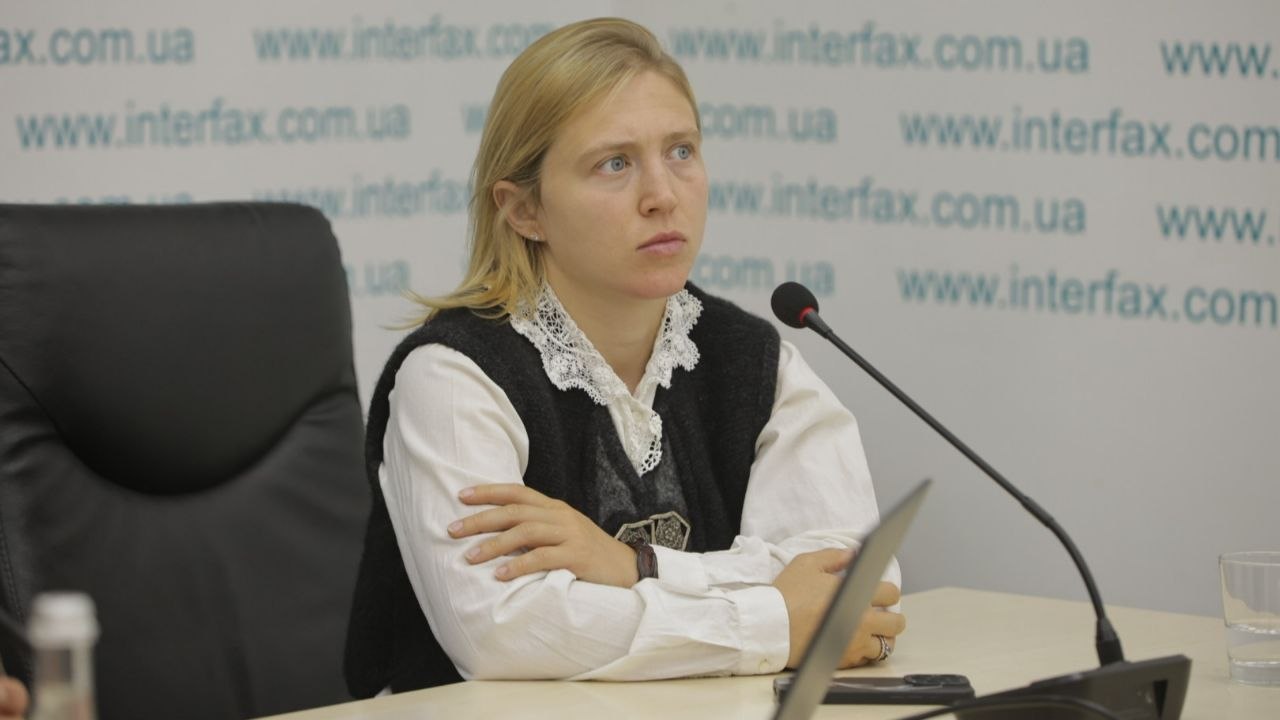
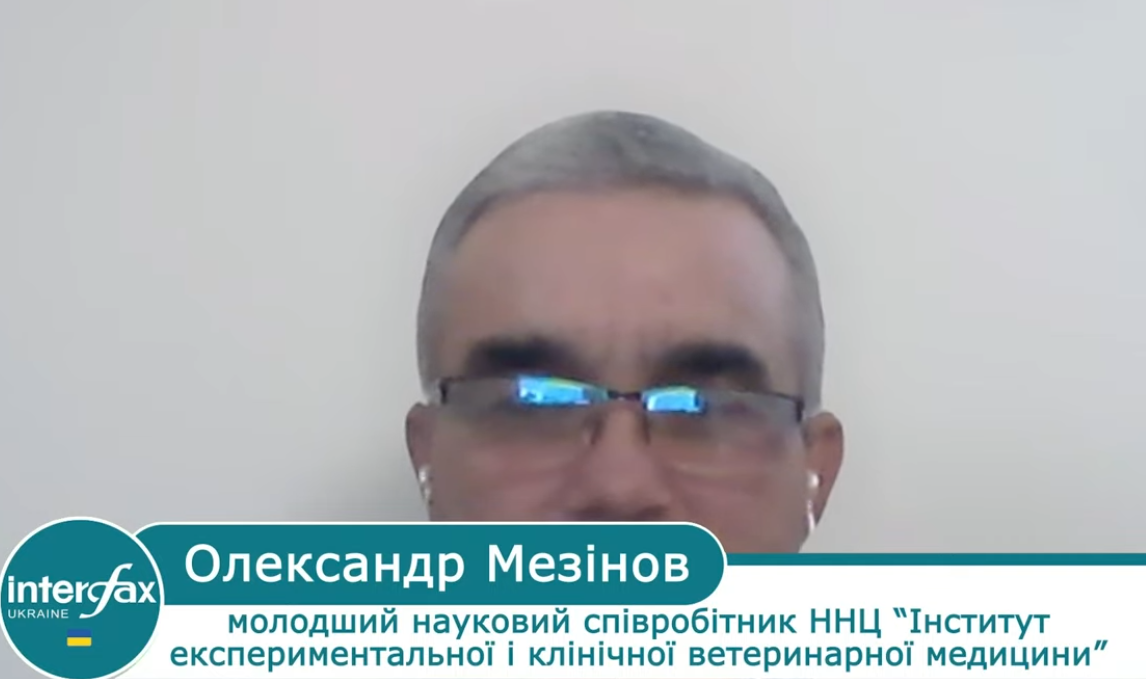











At a press conference at the Interfax-Ukraine news agency on Tuesday, they presented the goal of reforming Ukraine's hunting management system, which provides for attracting investment in nature conservation, the social adaptation of military personnel, and the restoration of wild animal populations.
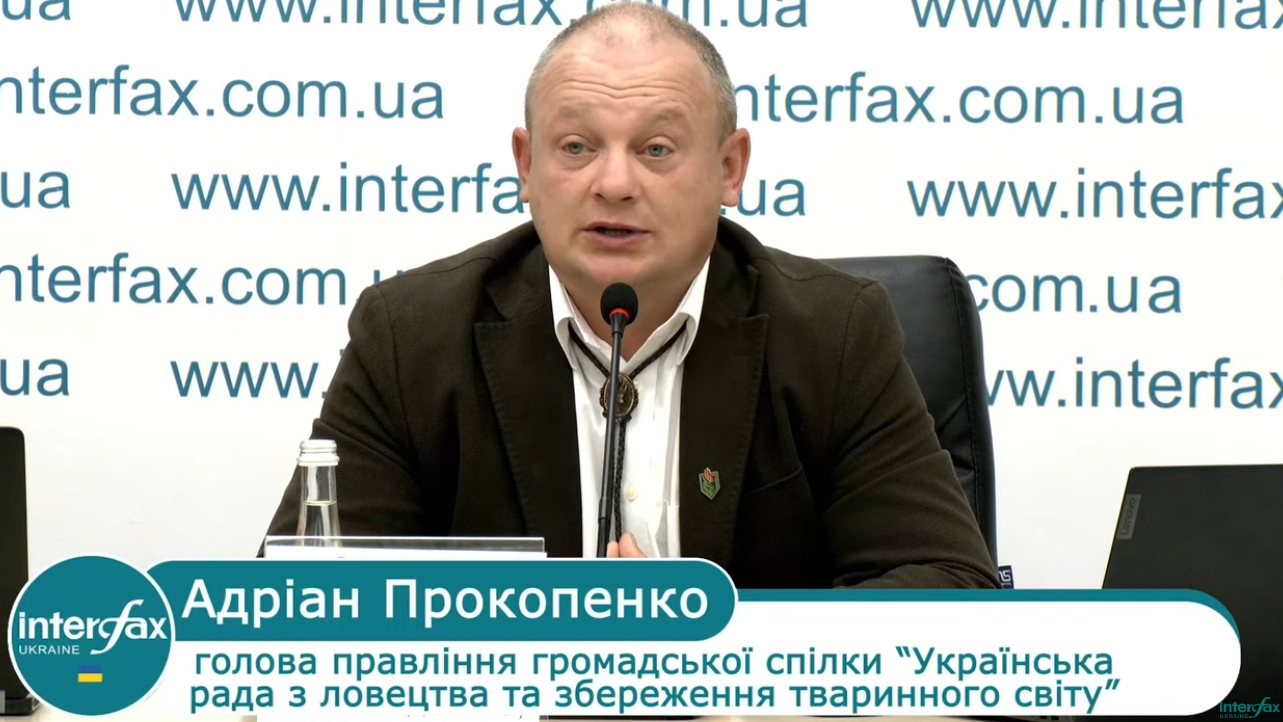
According to Adrian Prokopenko, chairman of the board of the Ukrainian Council for Hunting and Wildlife Conservation public union, an economist, lawyer and wildlife management specialist, a great deal of misinformation is being spread about the bill, including claims about a ban on hunting in European countries.
"Another myth is that hunting is banned in Europe. This year we attended a huge forum of hunters from around the world: more than 700 hunters walked through the center of Vienna to the sound of hunting horns, praying in St. Stephen's Cathedral, because hunting is also religion, culture and centuries-old traditions," he said.
The chairman of the board of the union also refuted claims that the initiative provides for the creation of a new agency funded by taxpayers.
"If our hunting groups have the opportunity to really work on their own land, to be the owners, to feel that way, then we will have excellent results. We have room to develop, and investments will be found. And as for veteran businesses, I think they will work, and we are working to create veteran businesses so that veterans have both a retreat and an opportunity to communicate and take care of people together," Prokopenko said.
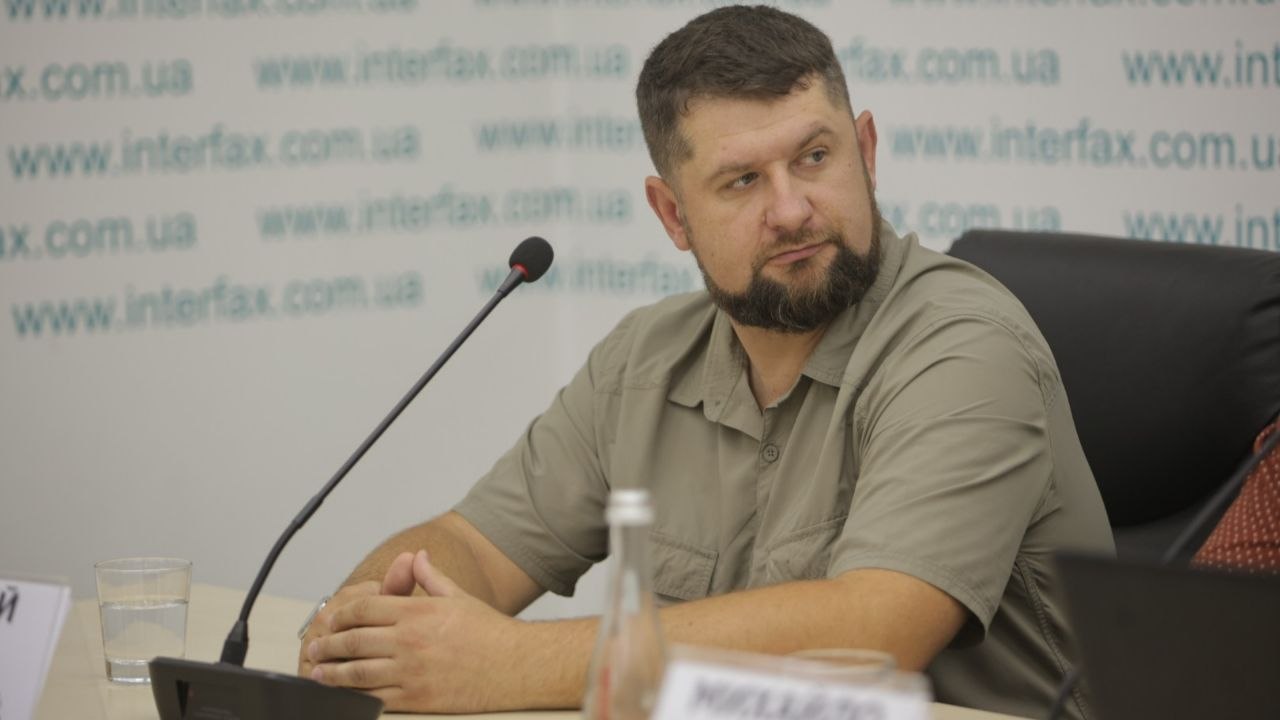
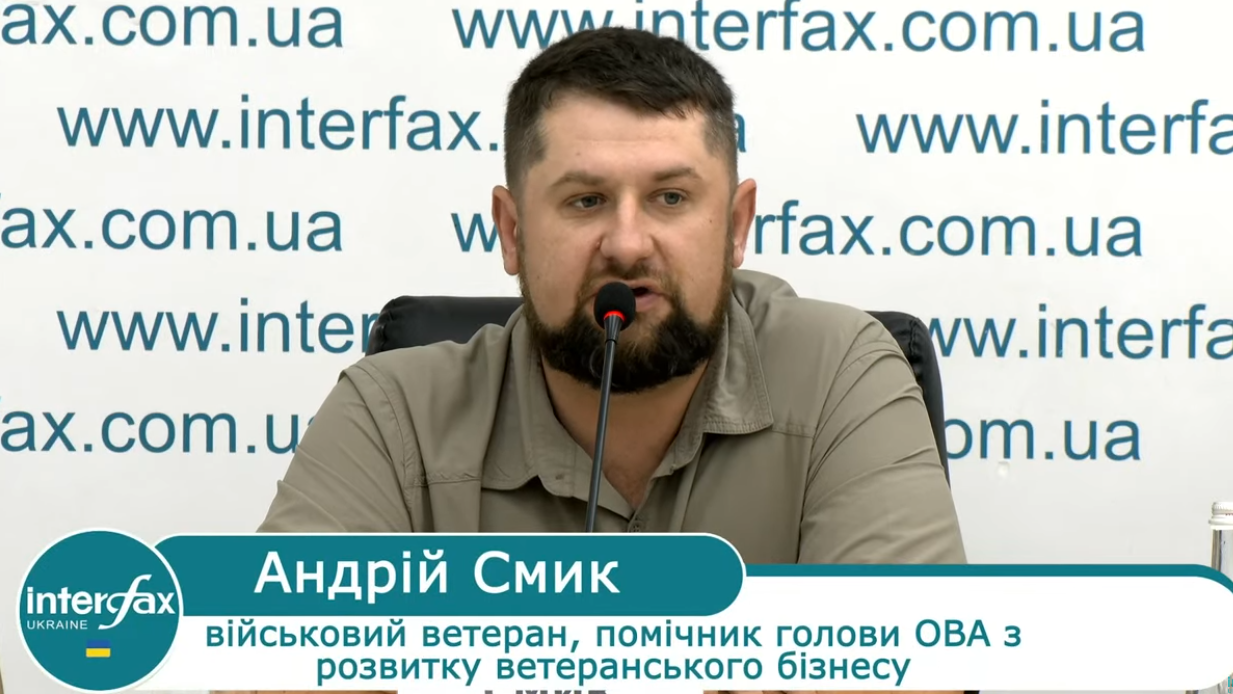
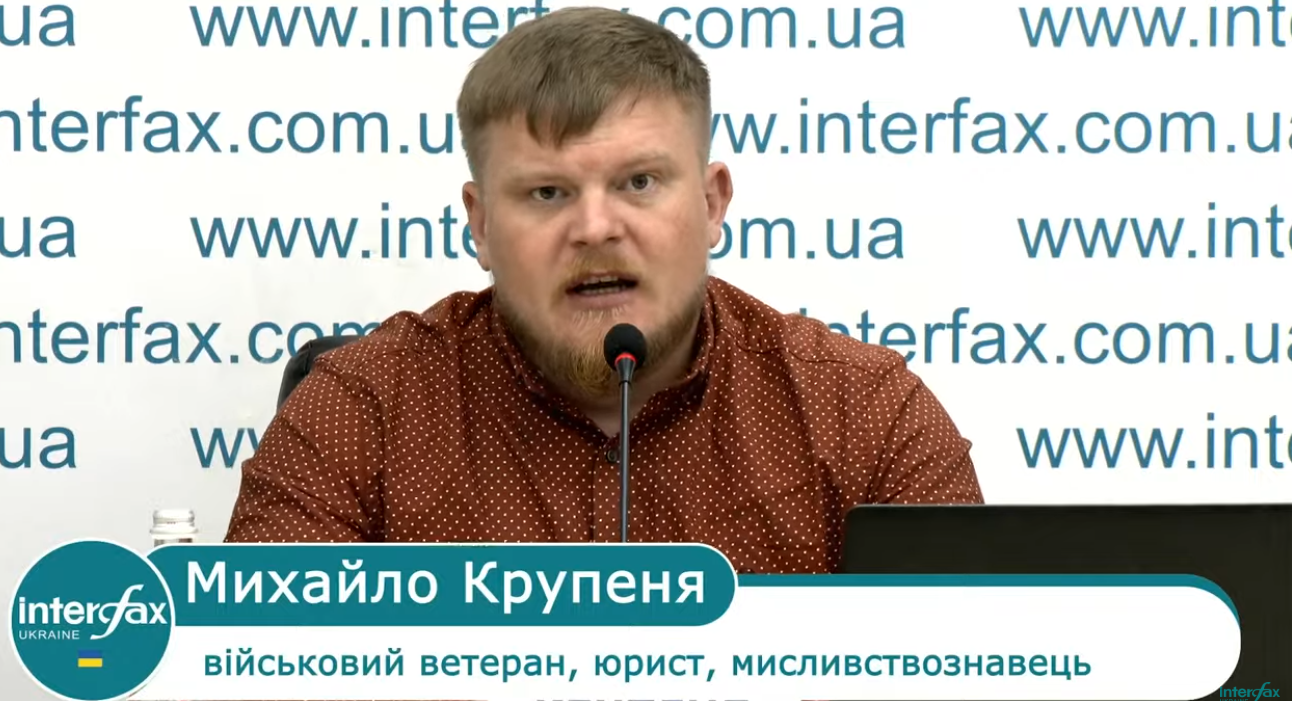
Military veterans Mykhailo Krupenia, who is also a lawyer and wildlife management specialist, and Andriy Smyk, an adviser to the head of the regional administration on the development of veteran businesses, presented veteran rehabilitation programs through hunting based on U.S. experience, as well as prospects for creating new jobs and veteran businesses in remote and nonindustrial areas.
"For a veteran, entry to my deer ranch will be 100% free, the explanations will be free, and psychologists will be involved, in principle, for three days of the working week, when they can live at my ranch, see how it develops and how it reproduces. But, excuse me, a deer ranch also requires investment, and I am ready to invest my own money in this initiative. We are now waiting for proper action under Ukraine's law on veteran enterprises, and this will mean tourism visits, it will mean paying taxes, it will mean people being employed," Smyk said.
Krupenia, in turn, noted that after the war, one in four Ukrainians will have combat experience, and this means that programs need to be developed already today, experience needs to be adopted, and veterans need to start being engaged in rehabilitation, including at hunting facilities.
He cited the results of a four-day rehabilitation program for 40 veterans implemented in the United States: "A reduction in PTSD, depression and stress. The effect lasted for more than three months."
"A veteran-run hunting facility creates an environment where everyone can find balance. In particular, this includes psychological support, nature-based therapy, group sessions, work with psychologists, physical activity and veteran rehabilitation. Daily physical activity outdoors, sports programs, camaraderie, teamwork, a common goal – supporting fellow veterans. It is also important to return a veteran to the family, because this also requires work, and families – children and wives – need to be involved in these programs. A shared family vacation in nature is precisely an adaptation to civilian life," Krupenia said.
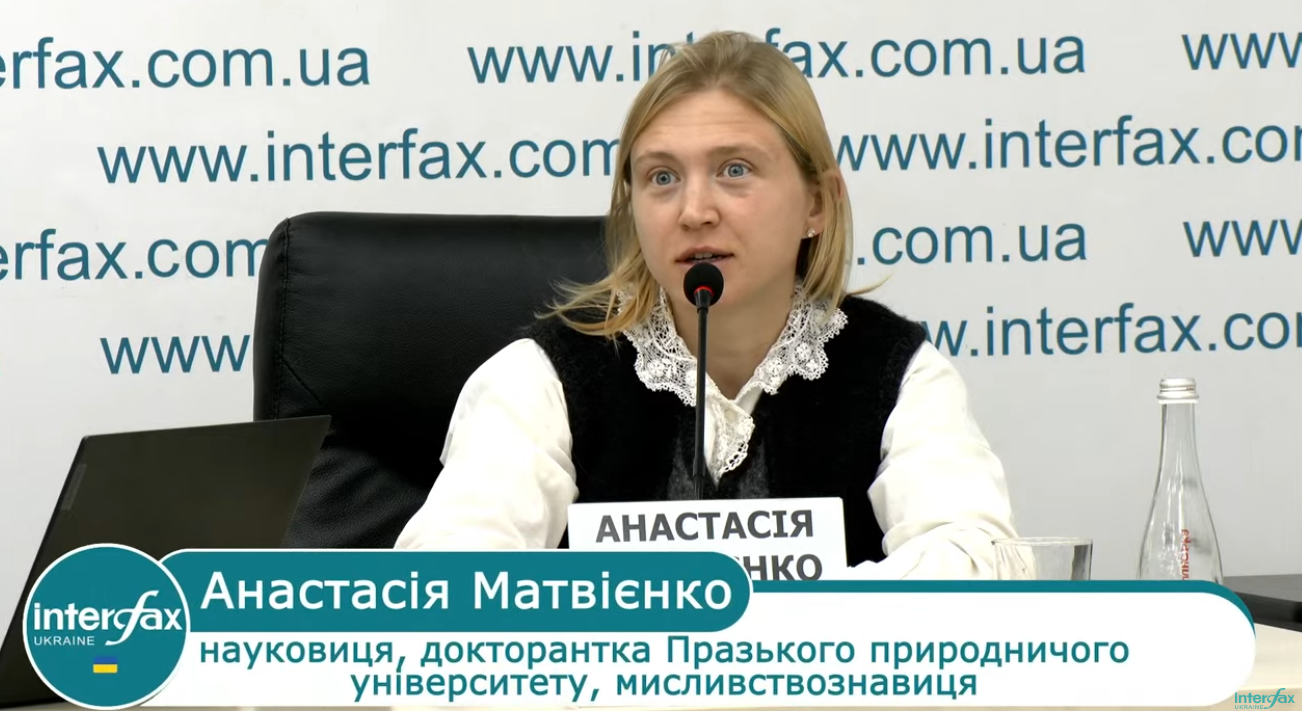
Wildlife management specialist and doctoral student at the Czech University of Life Sciences Prague Anastasia Matvienko, who studies animals at the "Na Rohakh" deer park, said that all hunting activity is currently prohibited in Ukraine, while taking an animal out of Ukraine for sale is difficult, although there are people who buy deer for breeding, zoos and ranches. The European Union is also interested in purchasing Ukrainian deer.
"Raising one animal on a ranch costs 300 euros a year. We calculated yesterday that we currently have 153 animals, including offspring, so calculate it: next year there will be 200, then 250, 300, 400, and at present we have no way to recoup these costs," she said.
As reported, lawmakers registered bill No. 15431, "On Hunting Management, Hunting and Sustainable Use of Game Animals," with the Verkhovna Rada on July 20. It is intended to replace the outdated previous law, digitize the industry through the creation of a Unified Hunting Register, introduce "sustainable use plans" instead of centralized quotas, and harmonize legislation with EU standards.
According to the explanatory note on the parliament's website, the reform also provides for attracting investment, developing hunting tourism, regulating the leasing of hunting grounds, and creating a specialized central executive authority (agency) to oversee and develop the industry. The authors of the document emphasize that the reform will make it possible to attract investment, reduce paper bureaucracy, harmonize Ukrainian legislation with EU standards, and take into account the consequences of the war and climate change for natural resources.
At the same time, a number of leading animal protection and environmental organizations, including UAnimals, the Kyiv Ecological and Cultural Center (KECC), "Green Force" and the Association of Animal Protection Organizations of Ukraine, opposed the bill and called on lawmakers to reject bill No. 15431 at first reading. The activists emphasize that Article 1 of the document defines hunting as a "form of active recreation," while animal skins, antlers and tusks are defined as "hunting trophies," which, in their view, legalizes the killing of animals for entertainment and aesthetic purposes.
Among the organizations' main objections to the regulatory text are also the dilution of the "quiet season," the expansion of permitted tools and methods for taking animals, including the use of night-vision devices, thermal imaging cameras, drones and acoustic devices, as well as permission for nighttime hunting. In addition, the organizations' statements criticize the lowering of requirements for the minimum area of hunting grounds and the low lease rates for forest lands, which could allegedly lead to the privatization of forest areas by a narrow circle of individuals.
The bill was included on the parliament's agenda on September 1.
