
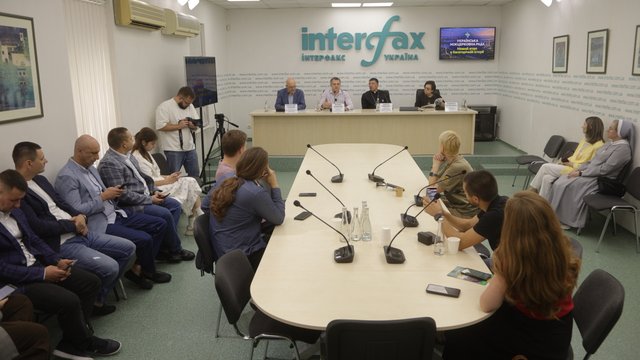
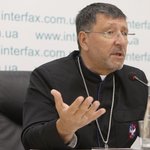
Ukraine has 1,300 evangelical charismatic churches that have stepped up their activity since Russia's full-scale invasion and now engage with roughly 3 million citizens, said Andriy Tyshchenko, head of the Ukrainian Interchurch Council (UMR) and senior bishop of the Charismatic Evangelical Church of Ukraine.
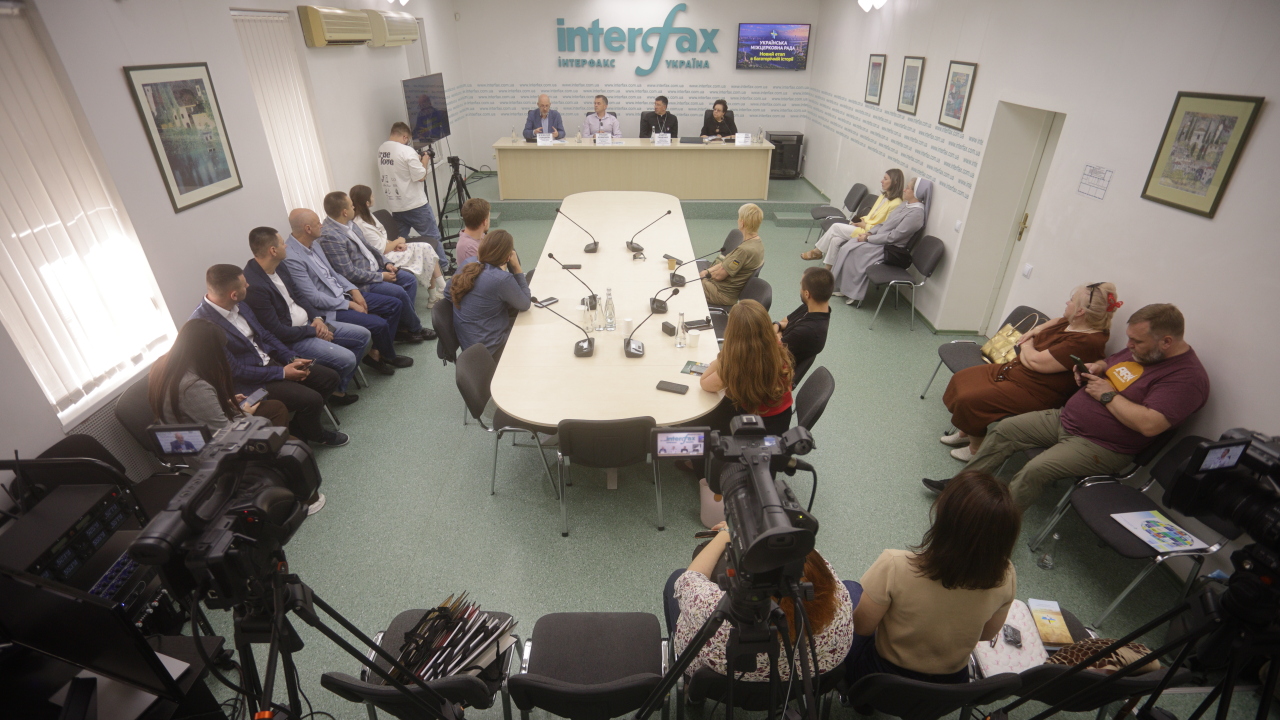
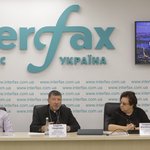
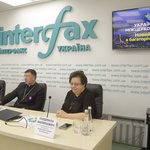
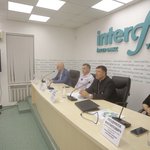
"Right now we have 1,300 churches with 100,000 members, and during the war they now reach probably around 3 million people, because we distribute a lot of food and carry out evangelization. Our church alone has led 300,000 people to repentance during the full-scale war," Tyshchenko said at a press conference titled "The Role of Evangelical Churches in Strengthening Ukraine's Resilience" at Interfax-Ukraine on Thursday.
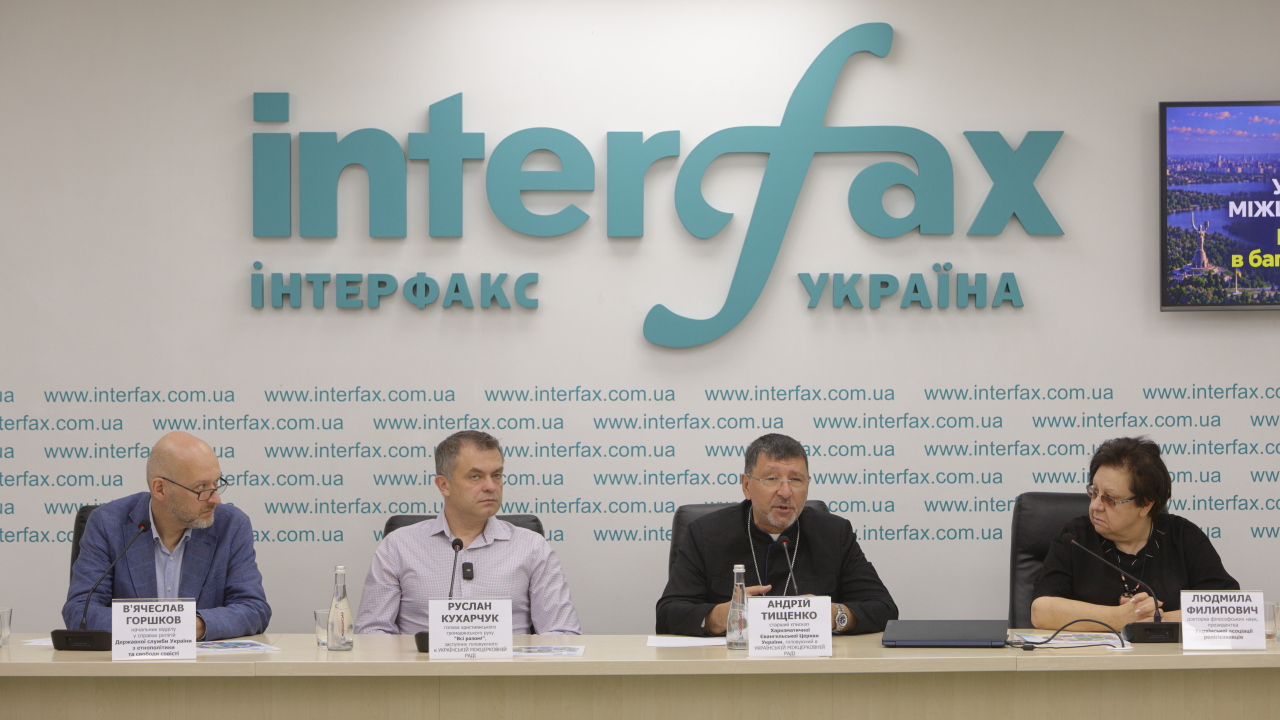
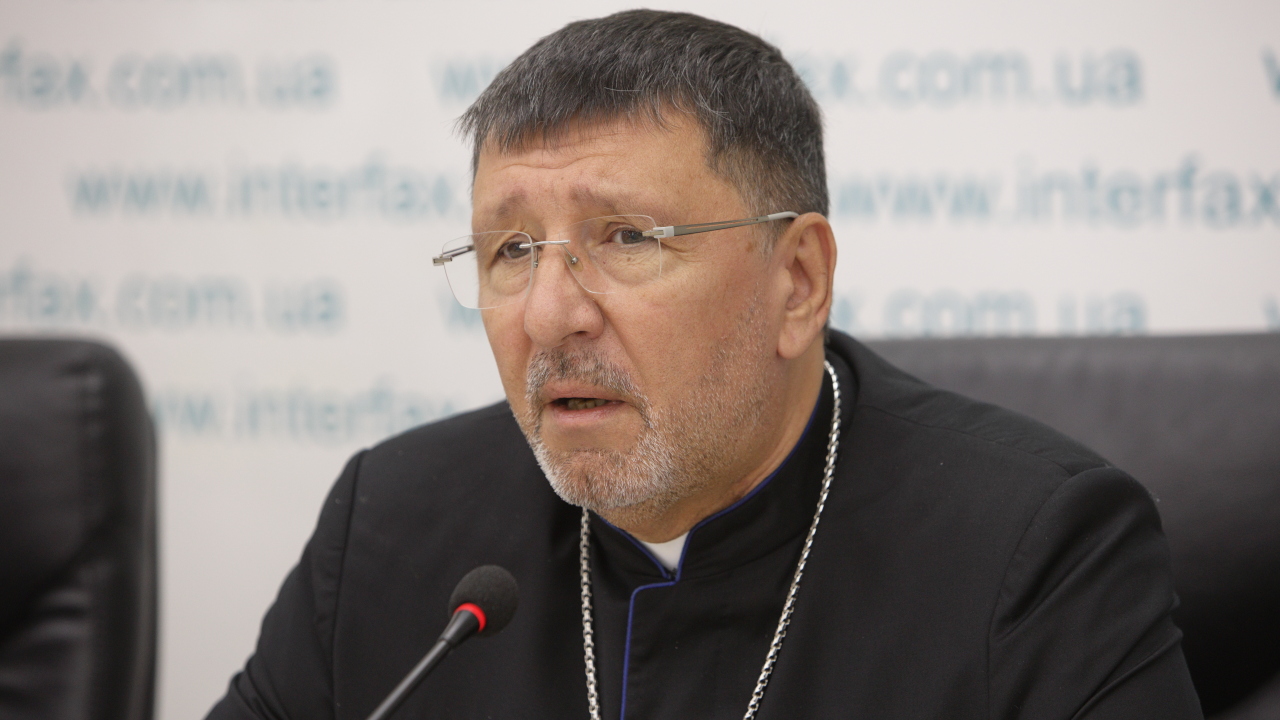
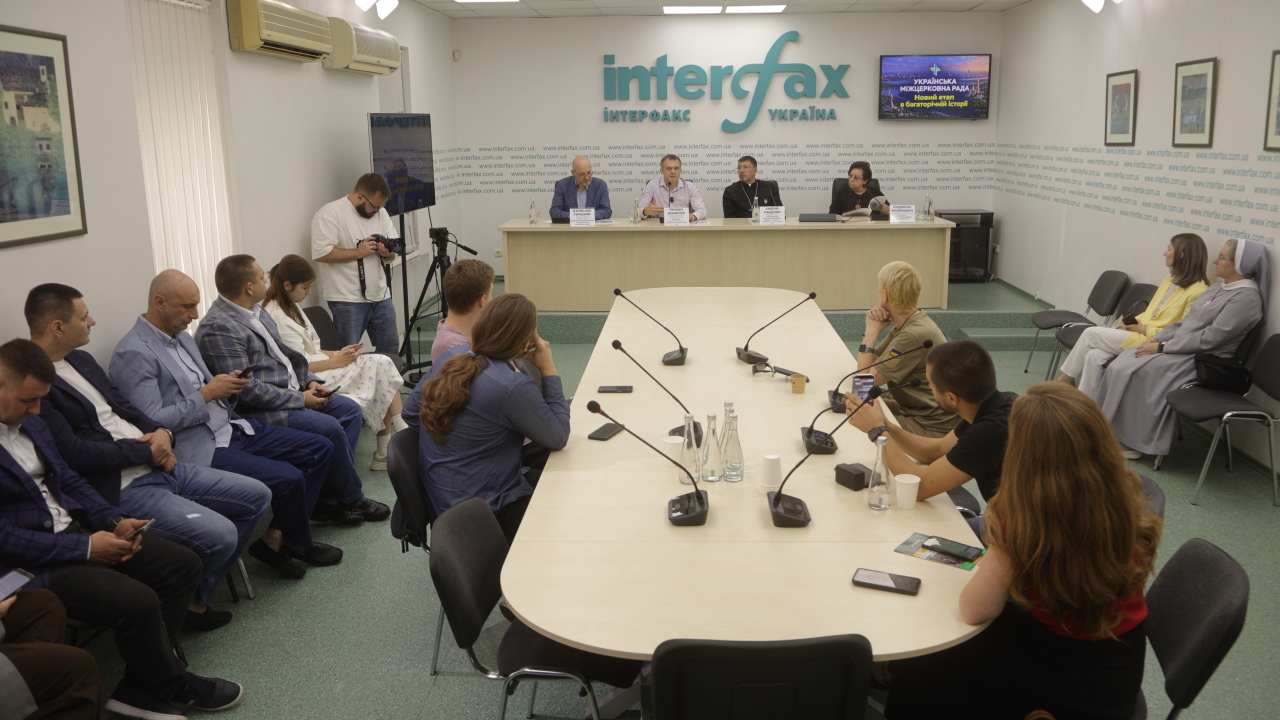
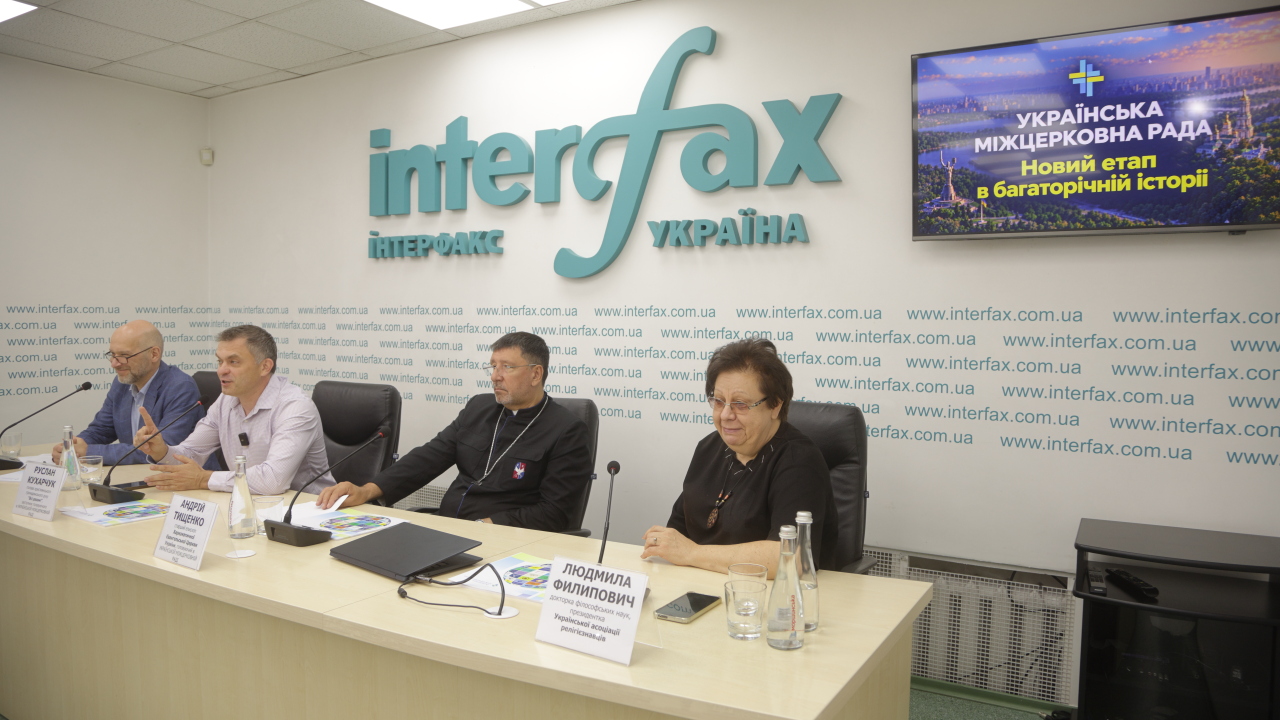
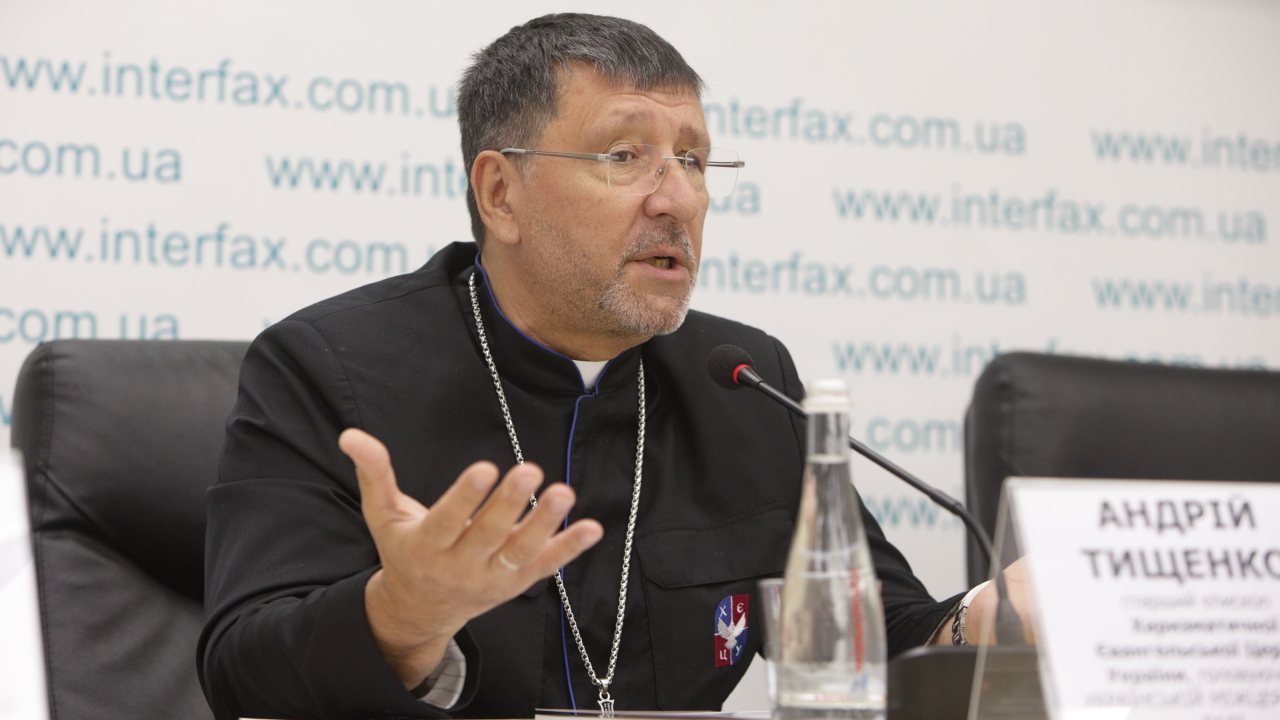
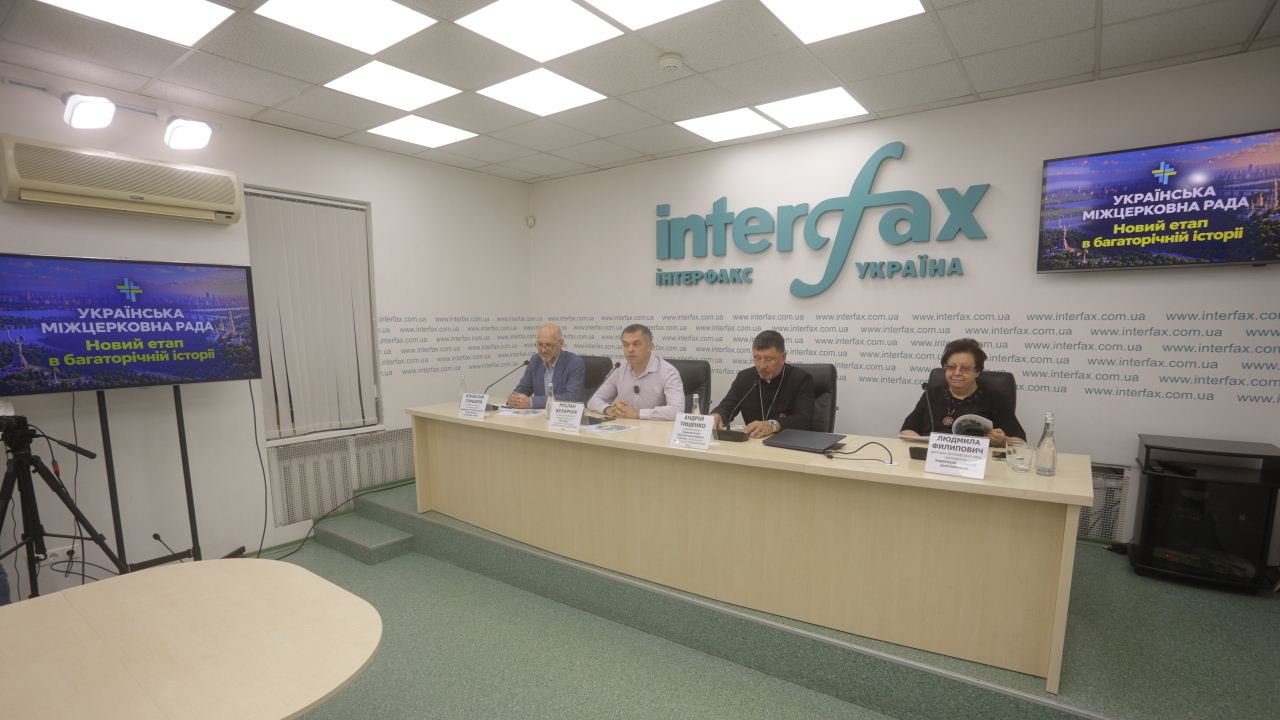
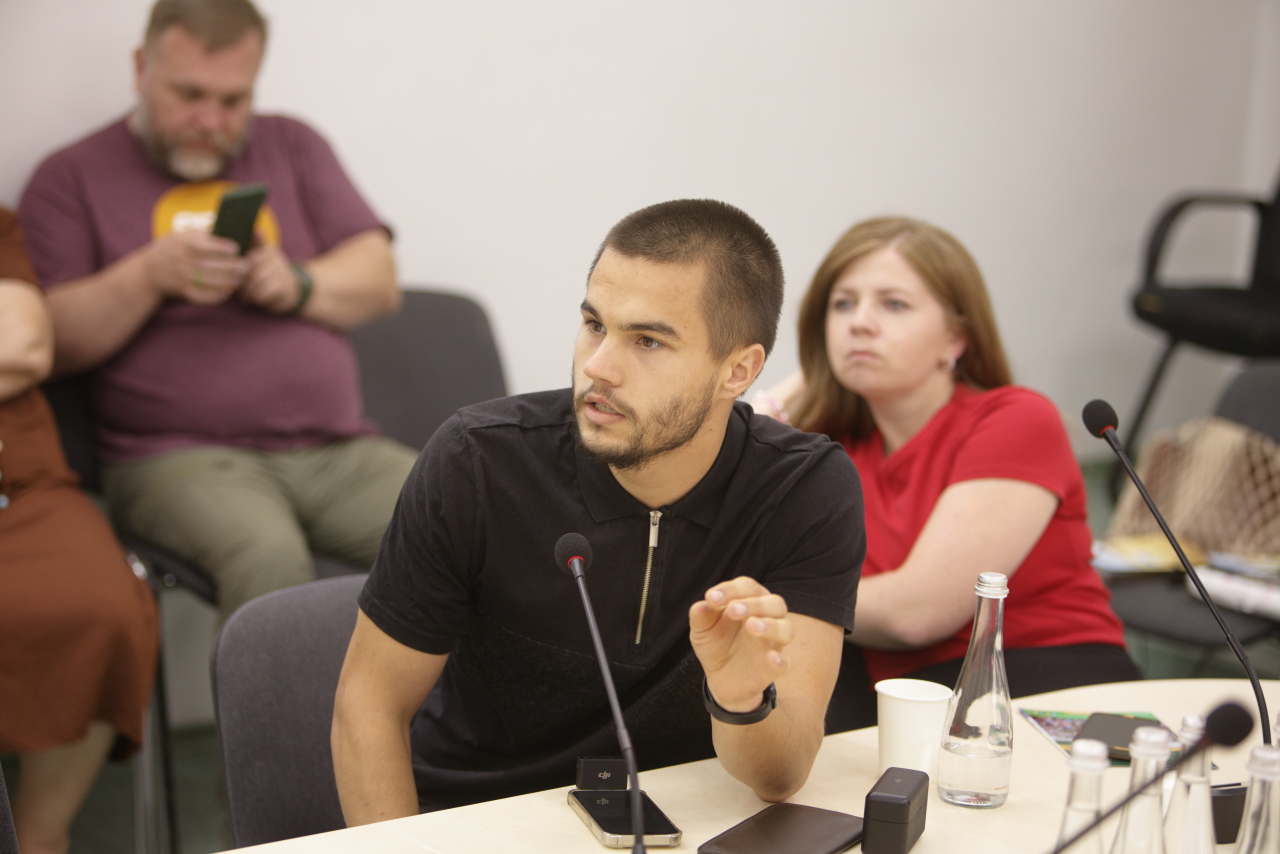
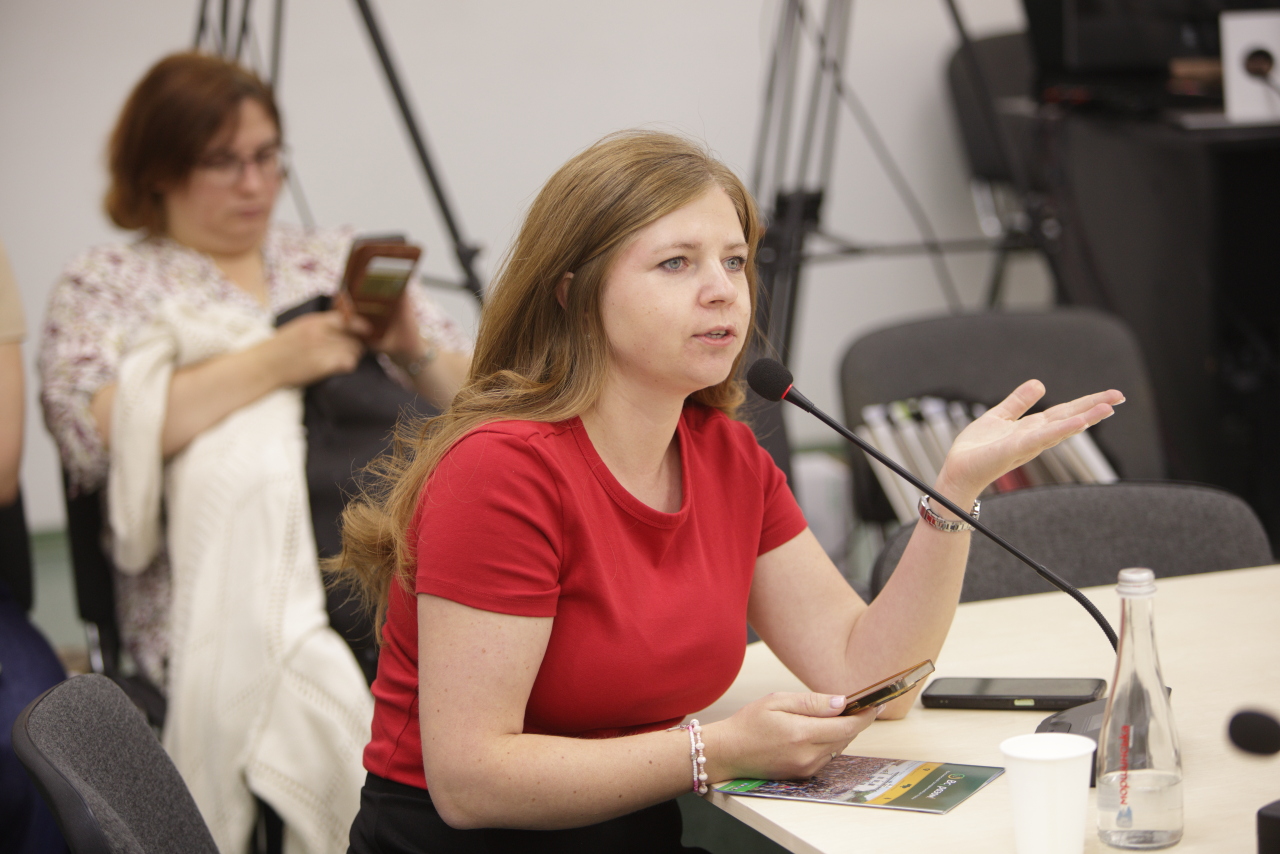
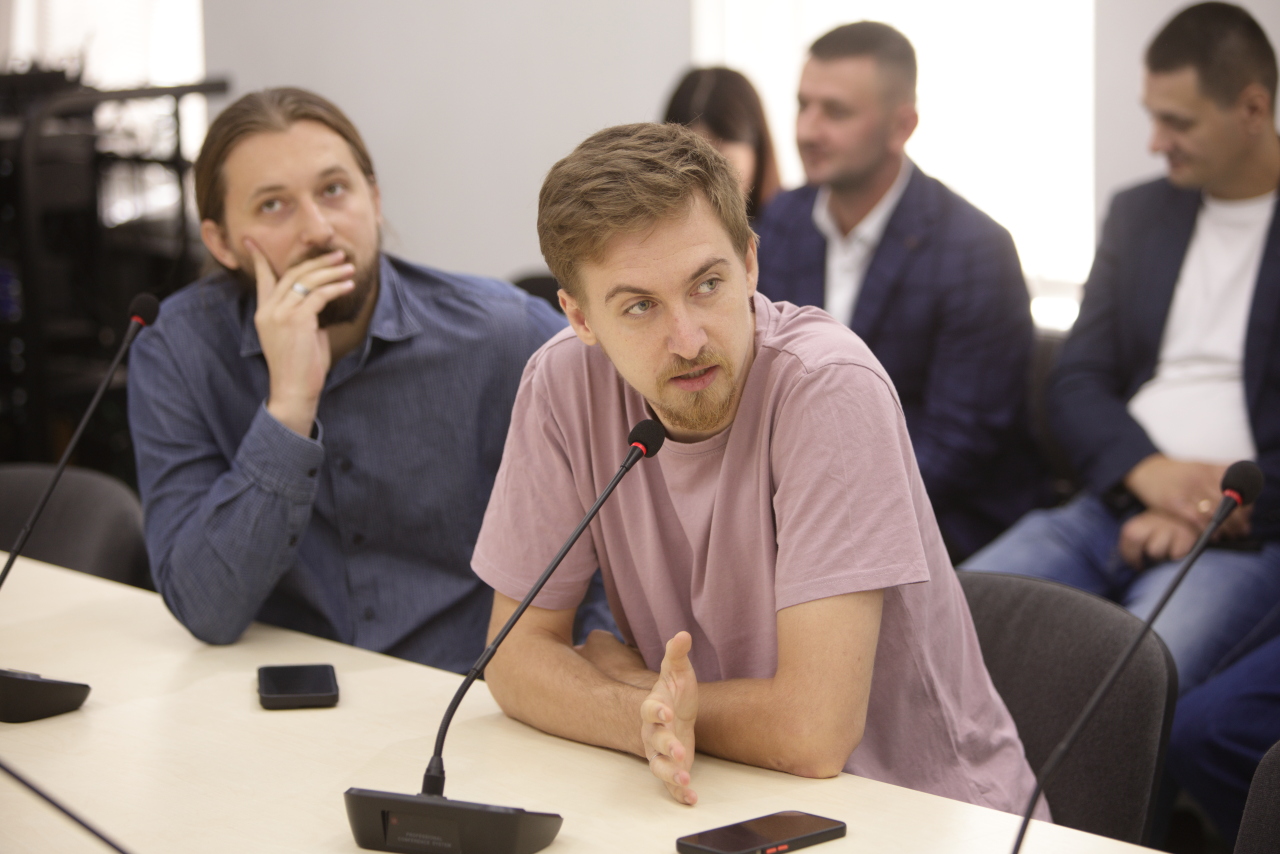
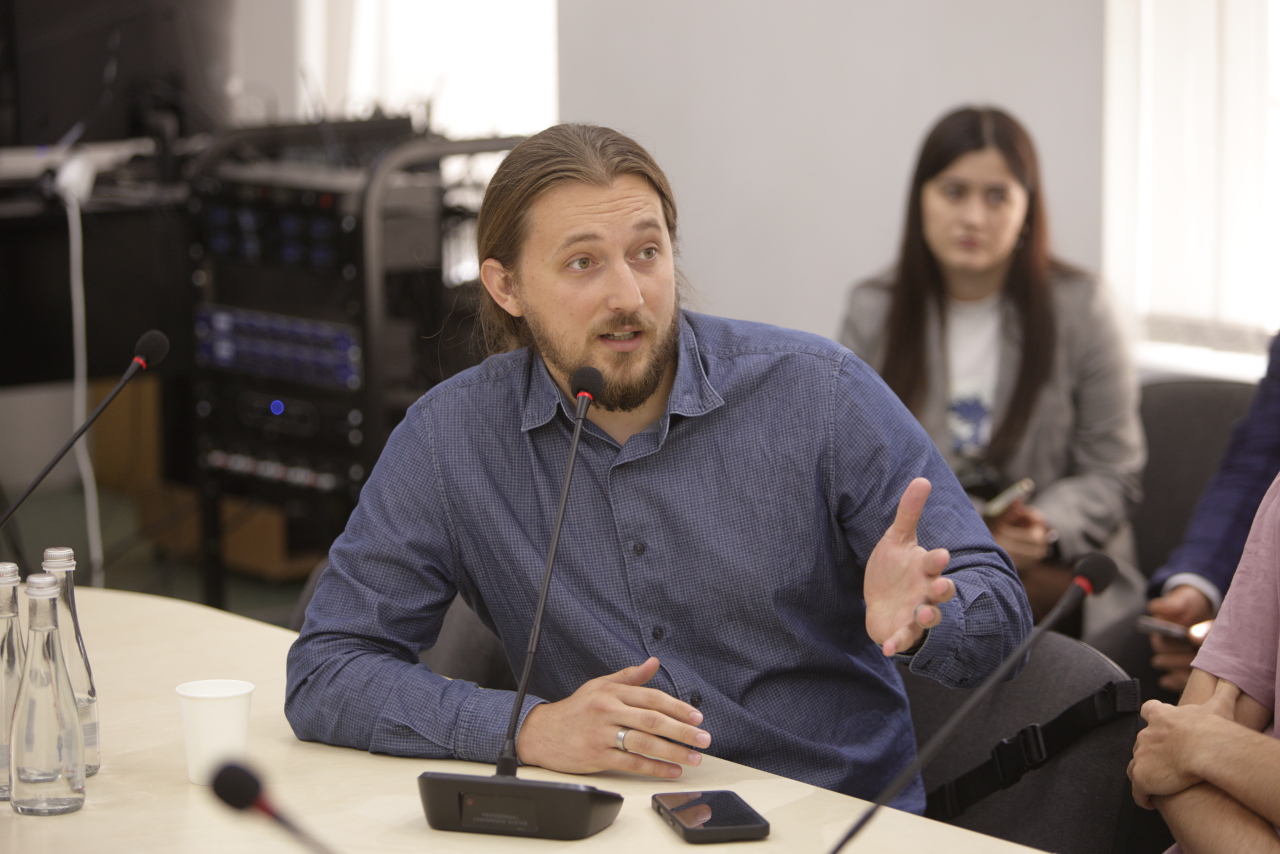
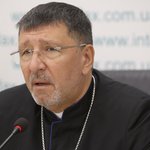




He stressed that the UMR is counting on productive dialogue and cooperation with all religious denominations and with the authorities, "because we are not only Christians but also citizens of our country, who take a very active part in all aspects of public life."
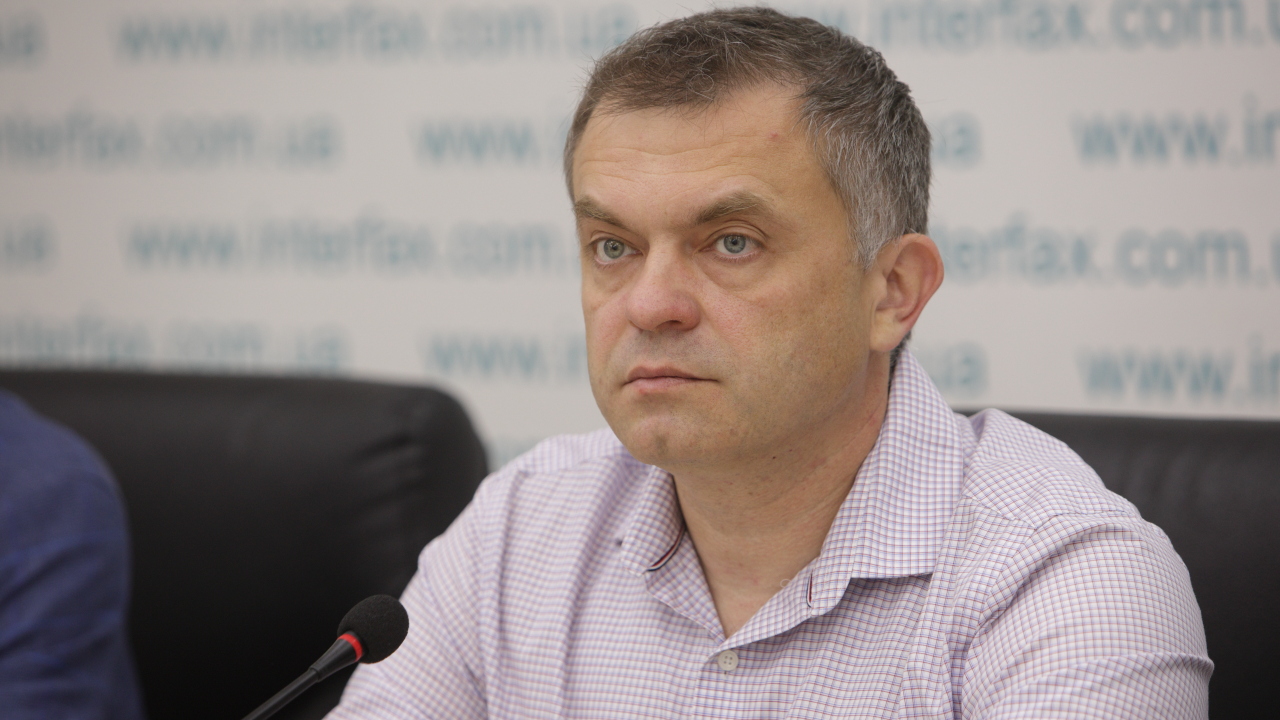
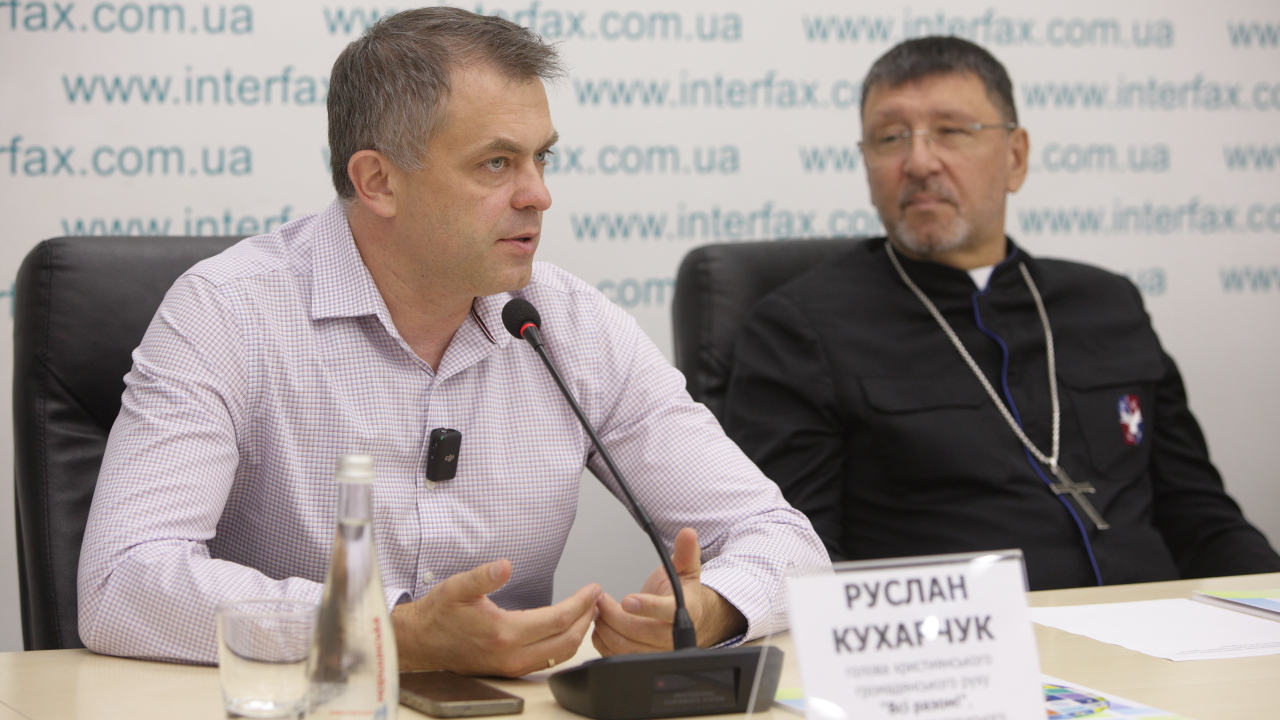
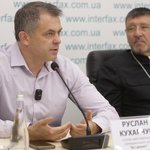
UMR deputy head Ruslan Kukharchuk, head of the "All Together!" Christian civic movement, said Ukraine has three major interdenominational associations: besides the UMR, which unites newer evangelical Protestant churches, there is also the All-Ukrainian Council of Churches and Religious Organizations (VRTsiRO) and the Council of Evangelical Protestant Churches of Ukraine (REPTsU), which includes traditional Protestant churches. He said the UMR maintains close and friendly relations with all Christian denominations and churches belonging to REPTsU and VRTsiRO, and expressed hope that the UMR would join VRTsiRO.
"The largest churches in Kyiv are UMR churches — in terms of the number of people who come to a single Sunday service in one hall, in one location, that's 500, a thousand, 1,500, 2,000 people every Sunday.... So it would undoubtedly be natural and logical for the UMR to also become part of VRTsiRO. That's exactly what would allow interdenominational Christian representation to be presented more fairly and objectively at such a high level, including in interaction with state authorities," Kukharchuk said.
He also noted the high level of religious freedom in Ukraine and stressed that this is not typical for all countries and is a major asset for Ukraine that should be highlighted internationally.
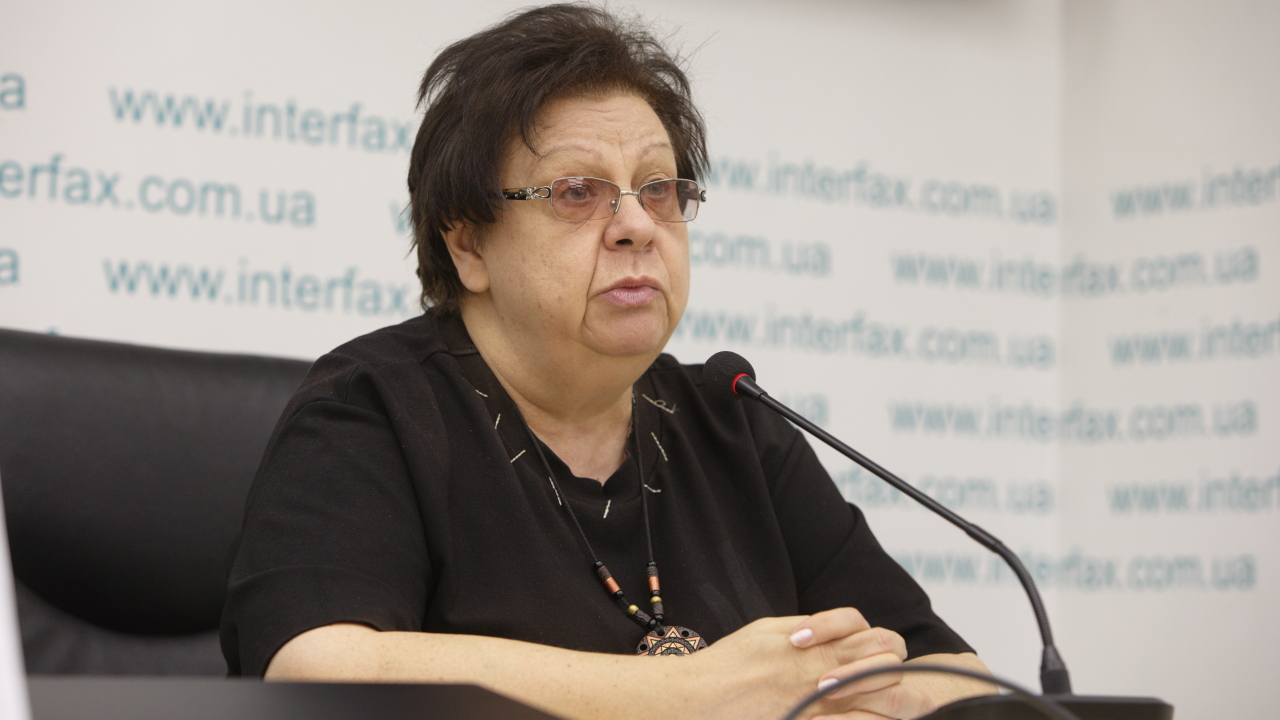
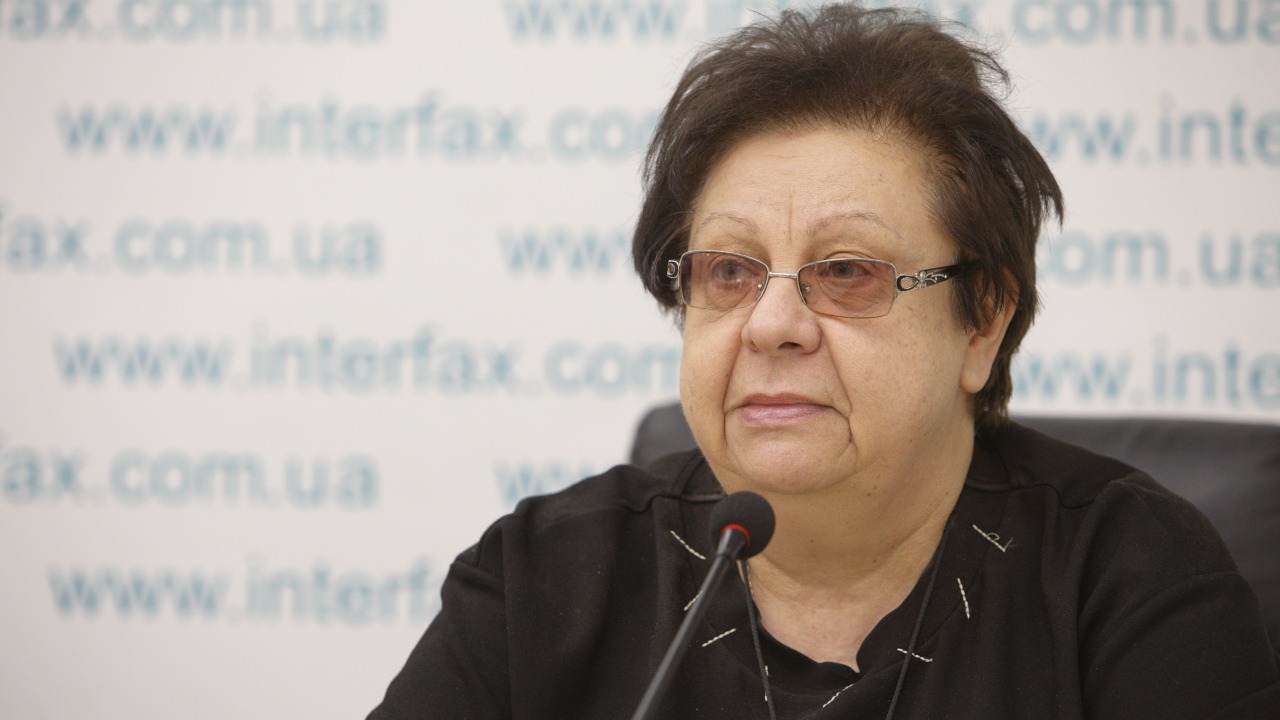
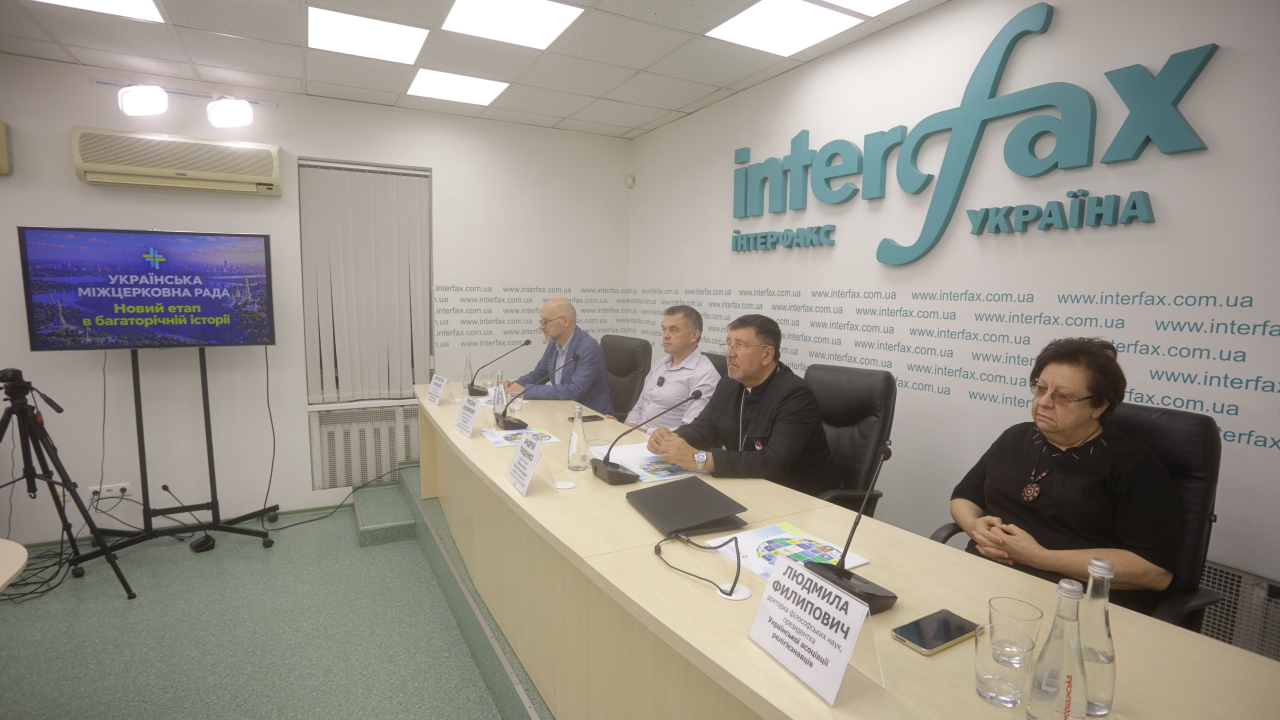
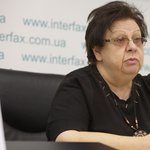
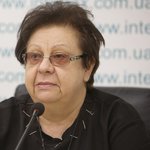
Liudmyla Fylypovych, doctor of philosophy and president of the Ukrainian Association of Religious Scholars, said that when charismatic churches began operating in Ukraine, they faced a degree of rejection from traditional churches, but since the war began they have shown themselves to be very active.
"These churches became a kind of hub where people would come, having been displaced, and where they were fed. This isn't unique to the charismatics — you understand that all Protestants have shown themselves to be fairly active in this respect. But charismatic Christianity stands out from classical Protestantism in the speed of its response.... That's because these churches operate not on a vertical chain of command but on horizontal relationships. If, say, some charismatic church suddenly runs short of bread, medicine, clothing or something else, they quickly arrange things among themselves and those needs are covered right away," she said.
Fylypovych said today's believer wants a quick response and answers to their questions, "and believers in charismatic churches get those answers in a timely way."
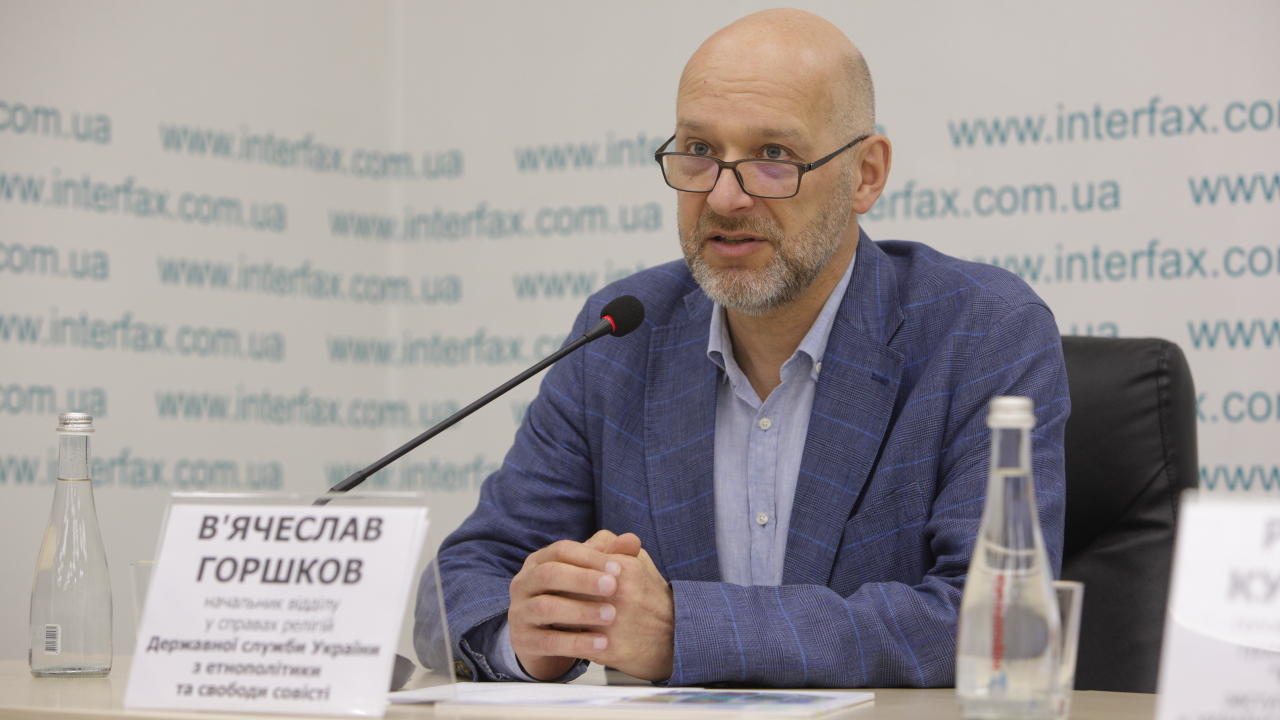
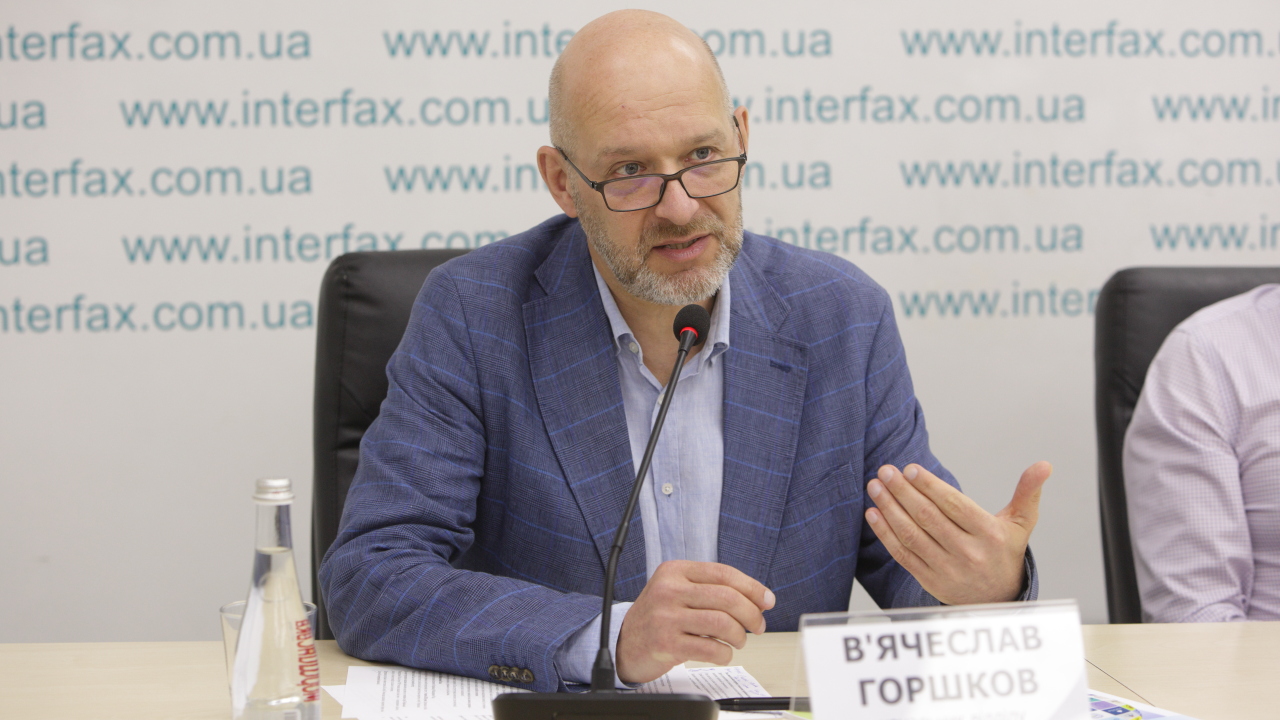
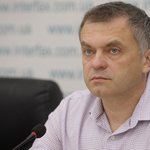
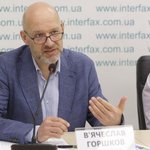
Viacheslav Horshkov, head of the religious affairs department at Ukraine's State Service for Ethnopolitics and Freedom of Conscience (DESS), said the scale of religious organizations' interaction with state bodies has grown substantially since the start of Russia's full-scale invasion. "In 2021, on the eve of the full-scale invasion, our DESS received nearly 4,000 incoming letters, of which about 1,500 concerned religious matters and were communications from religious organizations. In 2025, the total number of incoming documents grew to 14,239, more than 3.6 times higher. And the number of documents on religious topics reached 10,500, an increase of more than sevenfold. That shows the intensity of religious communities' communication with the central state body — and we're not the only body religious organizations communicate with, so this points to an intensification of this interaction overall," he said.
According to the DESS representative, these documents cover issues including regulating chaplaincy service, the ability to travel abroad to advocate for Ukraine internationally, assistance to refugees, the import and provision of humanitarian aid, alternative service, and electricity and gas prices for religious organizations running charitable projects.
"It's naturally much easier for the state when religious organizations unite, when they create a single center, because then communication becomes simpler and its effectiveness grows. The state deals with one entity representing others who have pooled their positions, and the effectiveness of such cooperation increases significantly," Horshkov said.
