
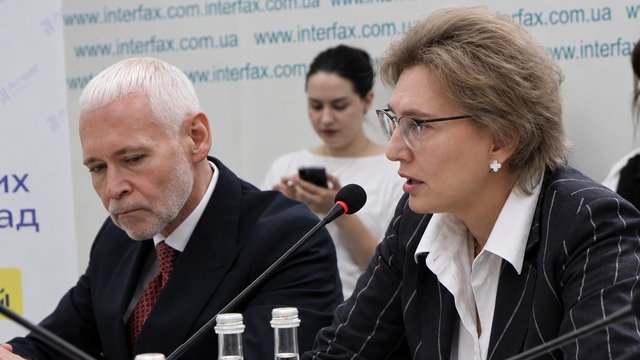
Honored Doctor of Ukraine and President of the Ukrainian Society of Infectious Diseases Doctors Olha Holubovska has declared a threat to national security due to the spread of infectious diseases against the backdrop of a sharp wartime increase in the proportion of the population living below the poverty line.
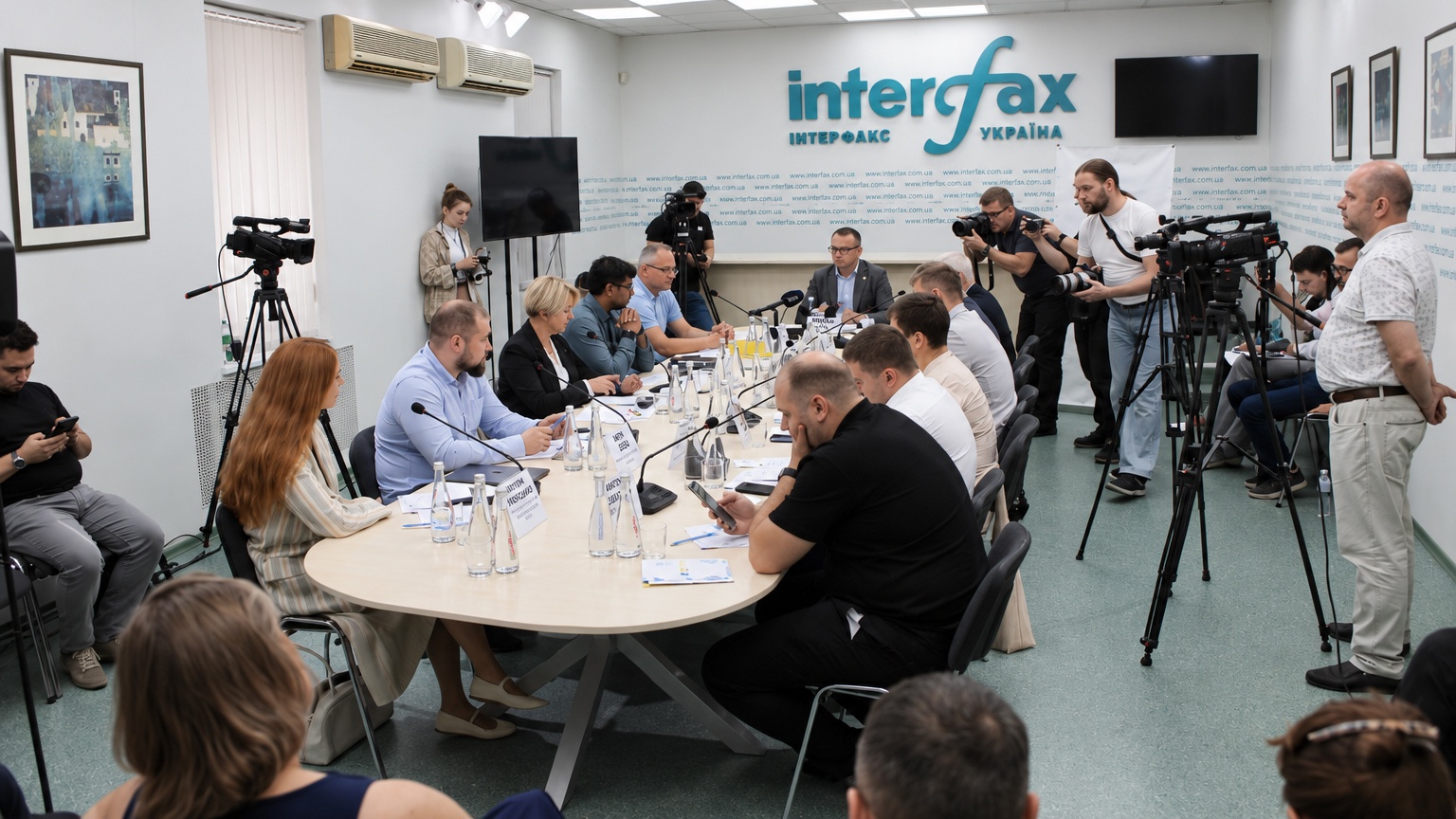
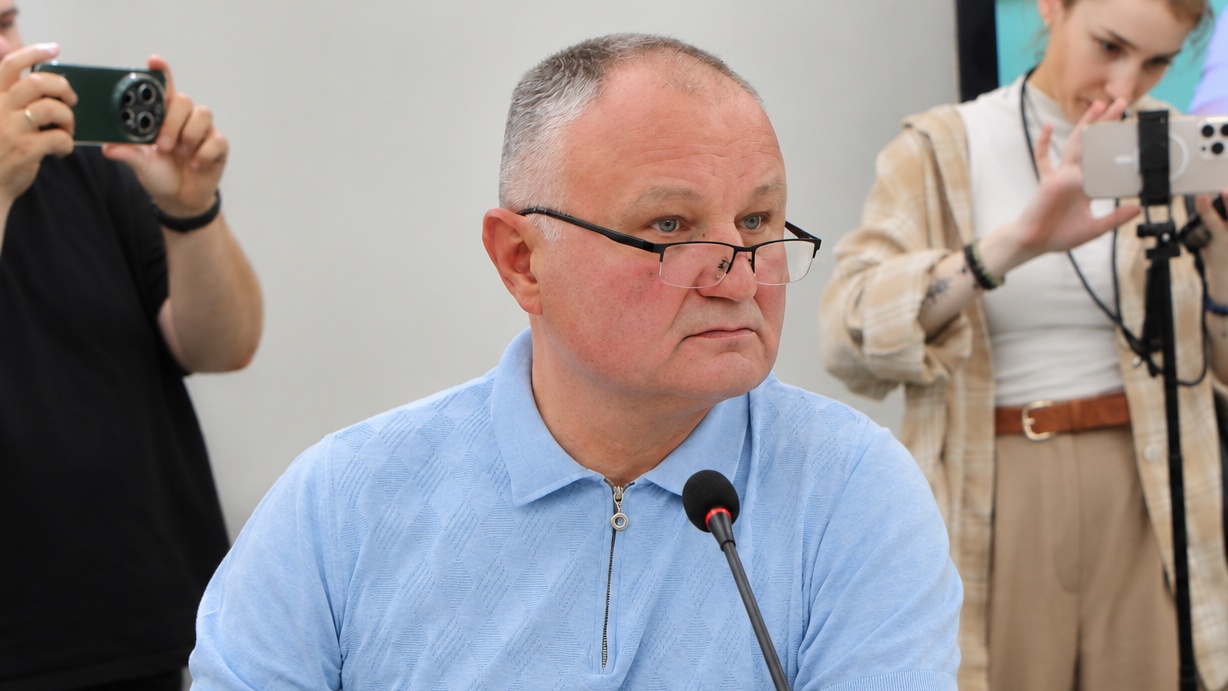
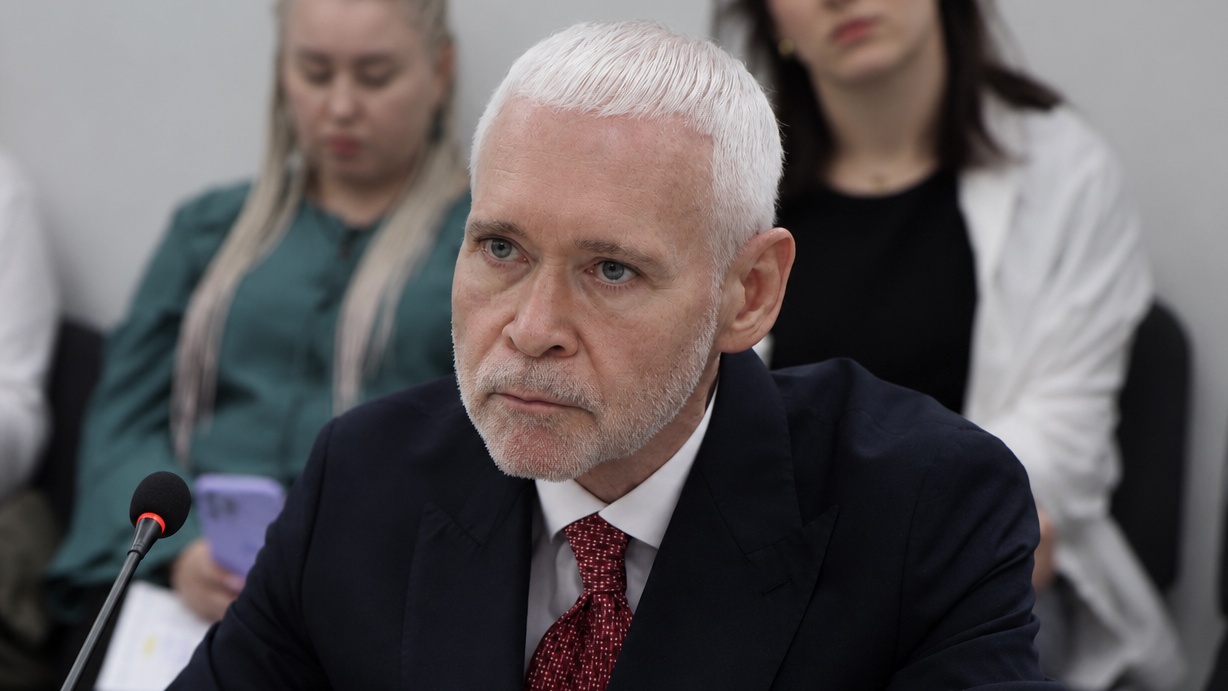
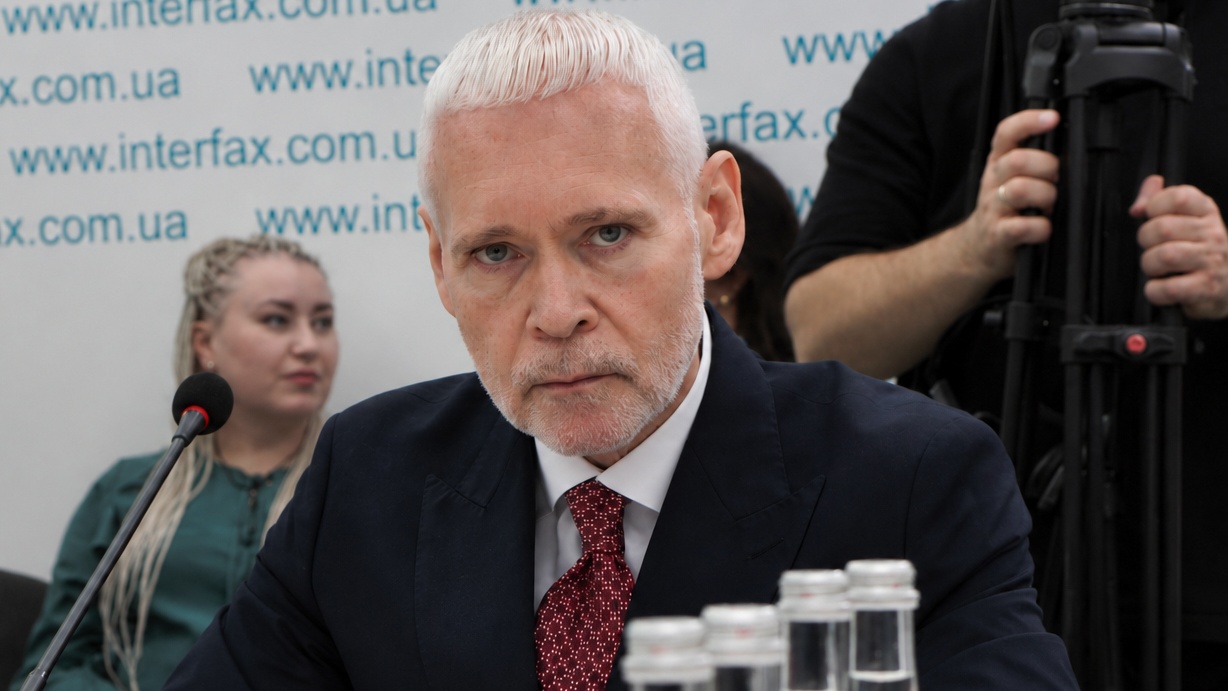
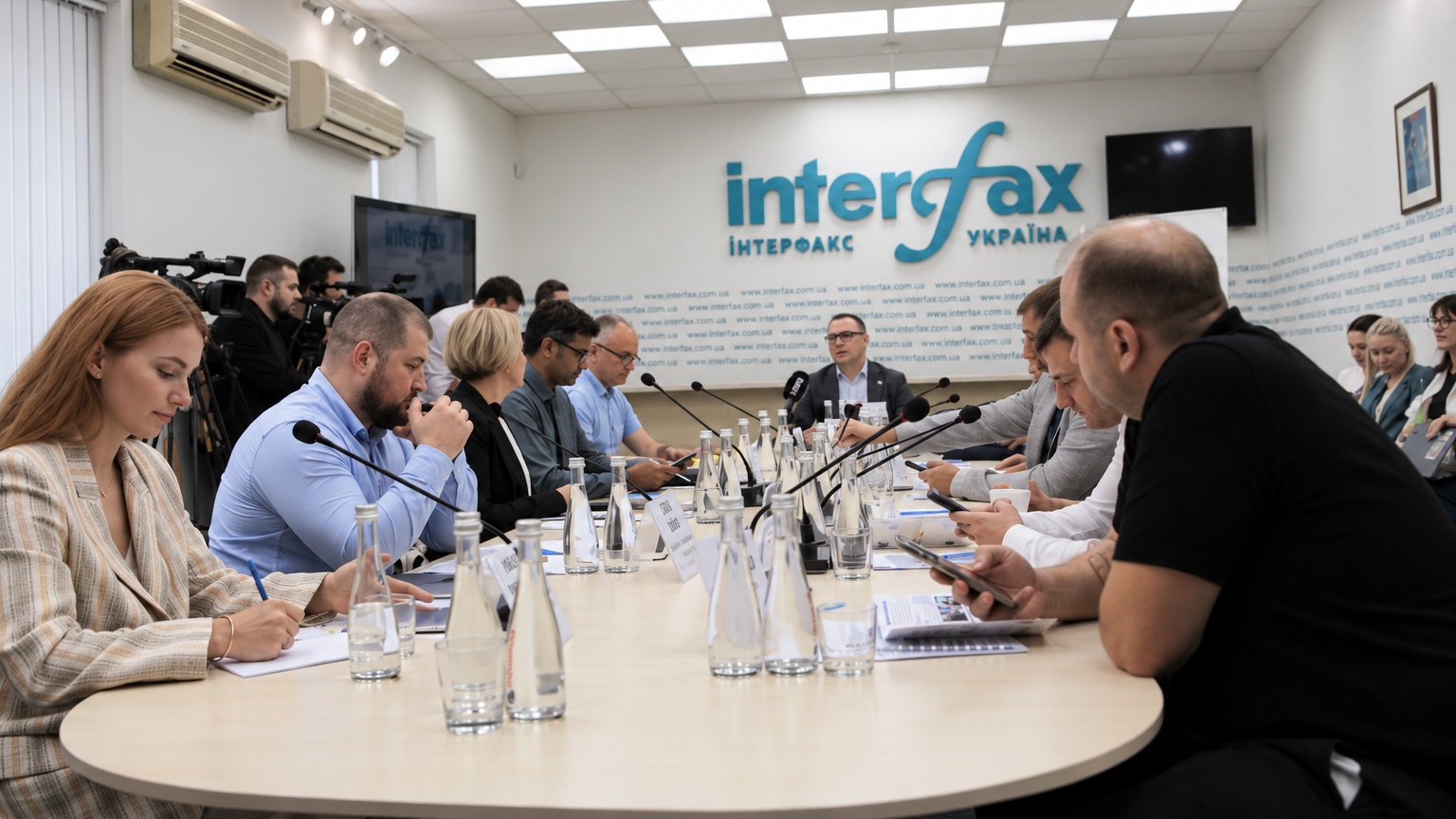


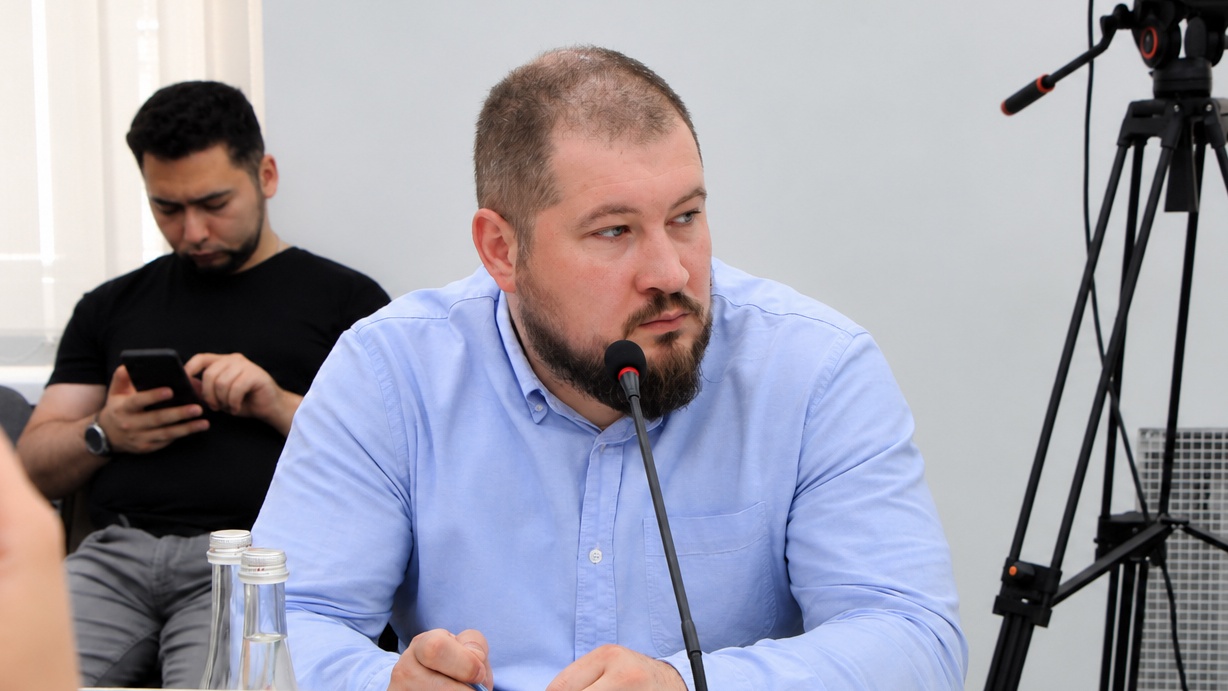
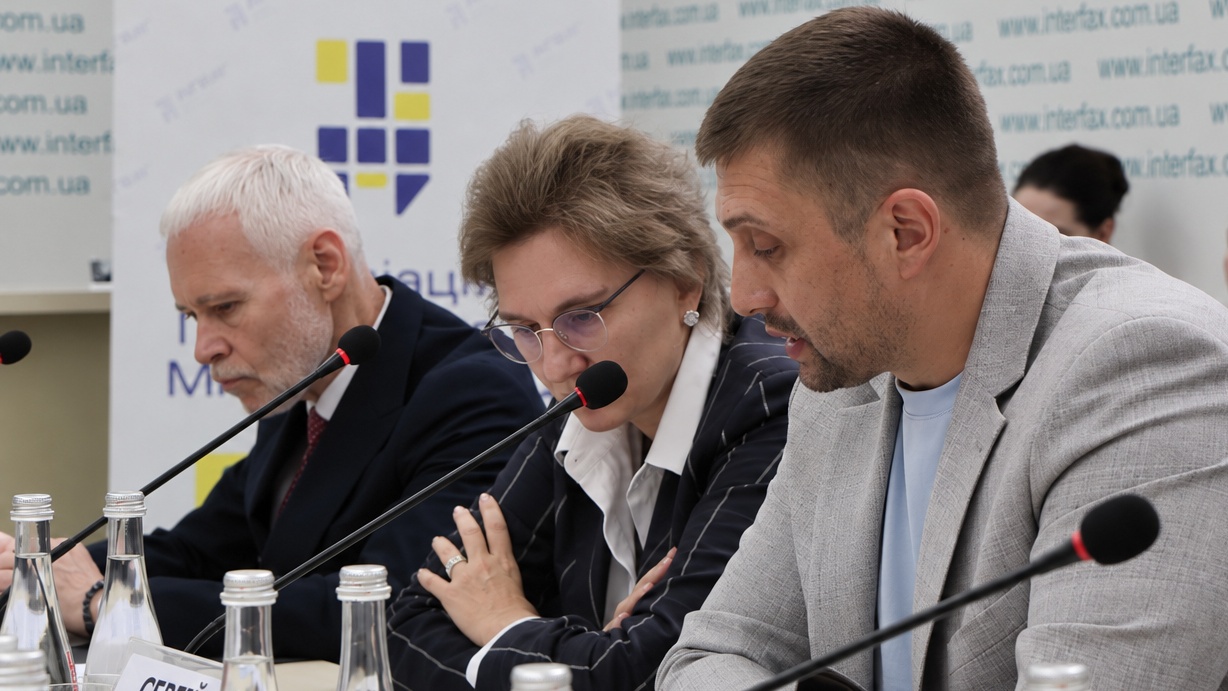
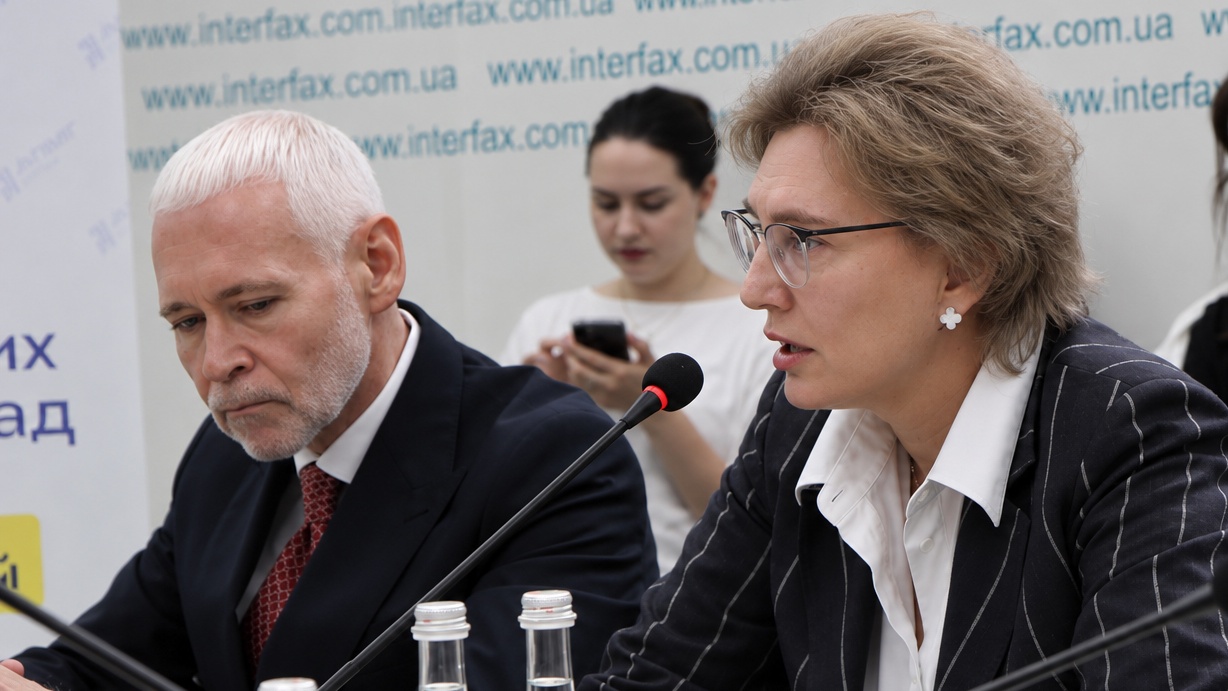
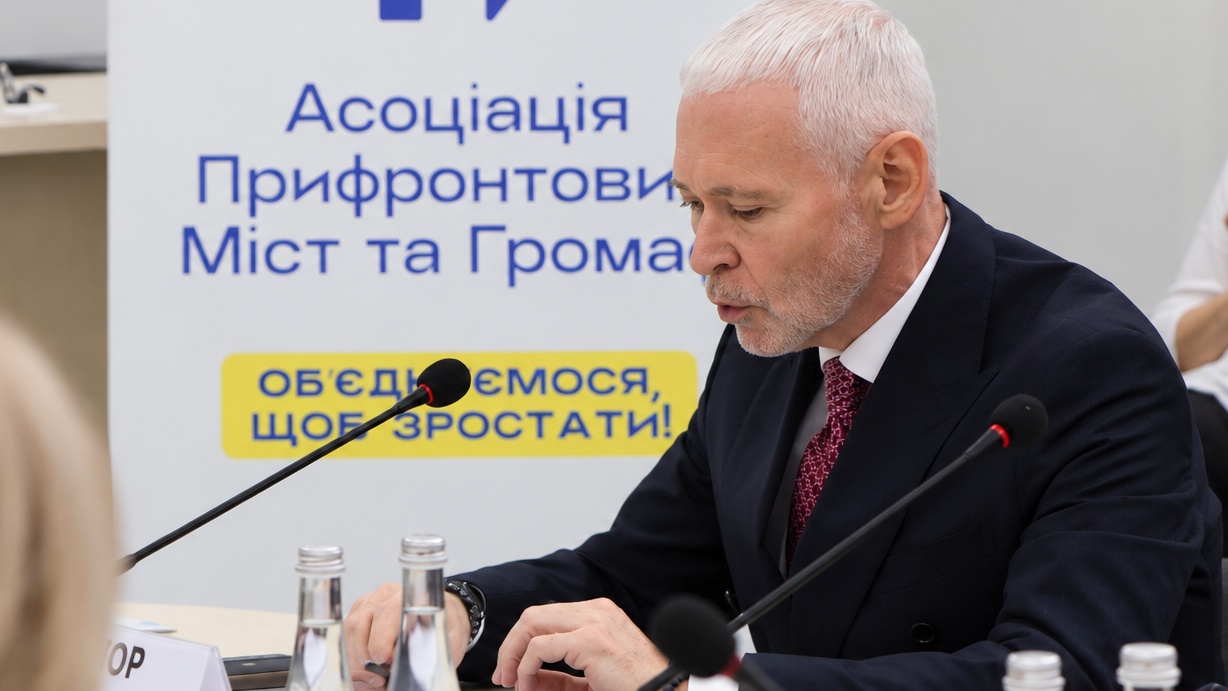
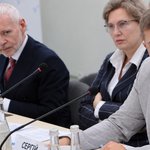

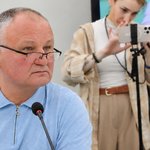
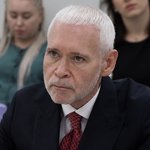




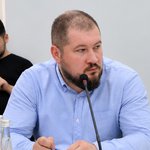


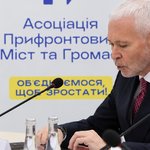
"41.6% of Ukrainians are not just poor, but are living below the poverty line... Infectious diseases are social diseases, and they always increase during times of cataclysm. These are diseases that concern not only a specific individual, but form the foundation of the country's national biosecurity," Holubovska said on Friday during a round table held at the Interfax-Ukraine agency on "Responding to the challenge of poverty: New initiatives for State Social Protection Policy," initiated by the Association of Frontline Cities and Communities of Ukraine.
"I cannot get used to a situation where a person with limited financial resources to support their health or treat an illness simply says: 'I will not ruin my family financially.' This is simply unacceptable, especially when it comes to treatable conditions. People living below the poverty line, and all Ukrainians, require attention from the state and social protection," the Honored Doctor added.
She also drew attention to health expenses, including various transportation costs when people are forced to travel for medical care following the closure of a significant number of hospitals, as well as mass layoffs of doctors and medical staff, which complicates access to care.
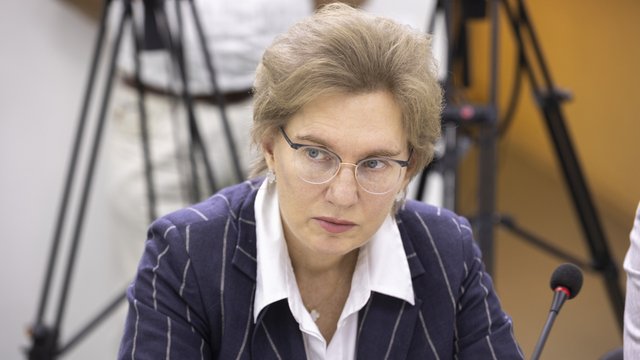
Holubovska emphasized that the absence of modern medications in state treatment programs threatens the effectiveness of therapy. "These packages do not correspond to the actual cost of treating a particular infectious disease, and no medical facility can guarantee quality medical care. It does not matter to a person how many items fall into the 'accessible medicines' category—over a thousand items—a specific individual receives one specific drug, and if this drug is missing or if the available drugs belong to outdated treatment regimens, it makes no difference to them. The same applies to inpatient treatment: if the state prohibits demanding that patients purchase guaranteed supplies, it must at least guarantee the actual availability of these medications in hospitals rather than prohibiting patients from saving themselves," Holubovska stressed.
She called for a review of the criteria for effective resource utilization in the healthcare system. "Many issues do not require money at all, but simply proper organization. When I repeatedly hear that prevention is expensive, I ask: have you calculated how many people, if treated in a timely manner, do not subsequently become disabled, how much you save on sick leave payments, and how productively that person continues to work for the country? No one calculates this," Holubovska said.
For his part, People's Deputy of Ukraine and co-founder of the public organization VPO Ukraine Serhiy Kozyr noted that Ukraine lacks a comprehensive state policy regarding internally displaced persons (IDPs) and human capital, creating risks for citizens' social protection.
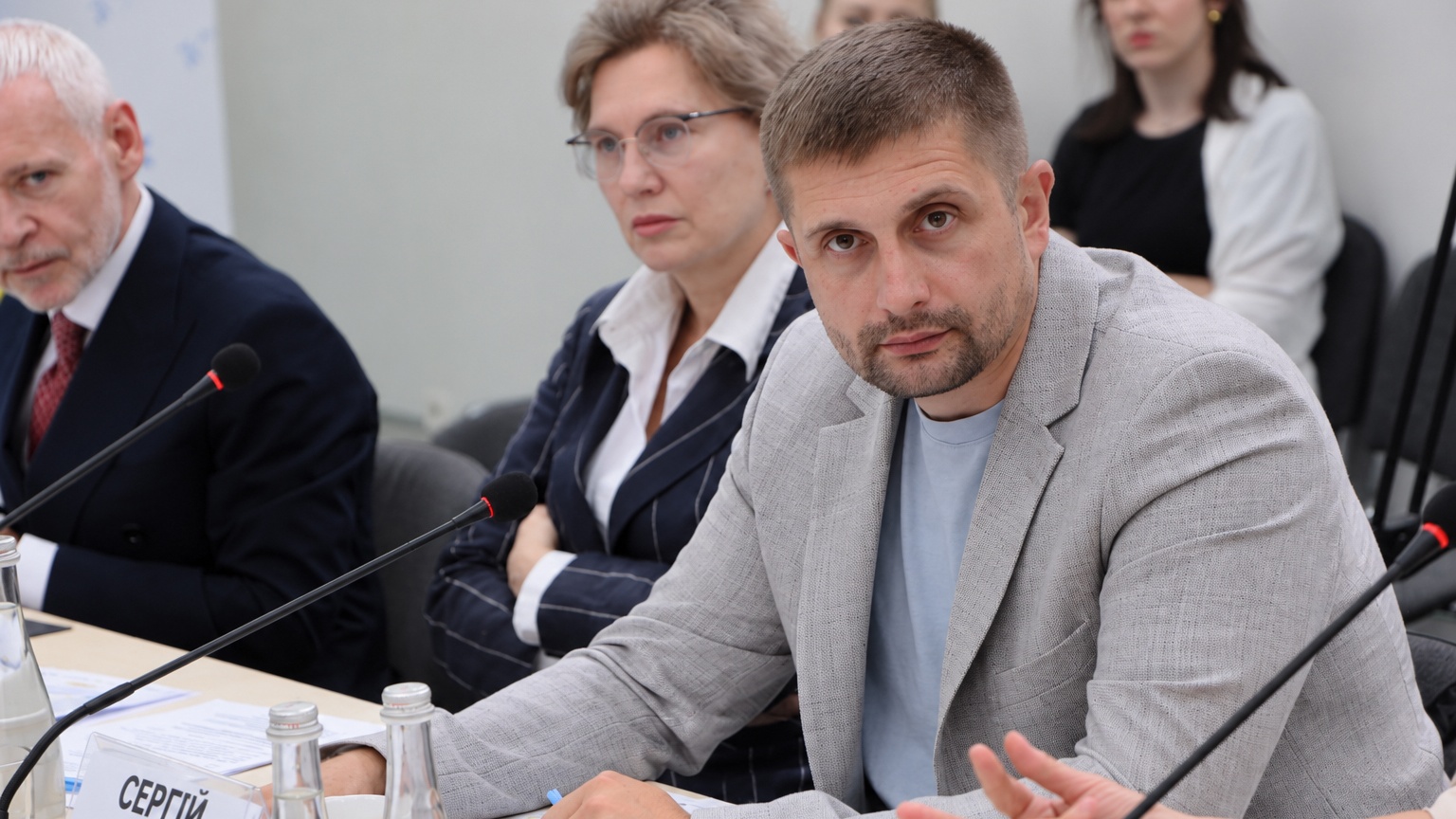
"There is a lack of preventive measures to avoid certain consequences—whether a person ending up below the poverty line or contracting infectious diseases. According to recently published research, the number of homeless people in our country has increased by 46%. In terms of demographics, 40% of them are internally displaced persons. These are people who lived in their own homes, were more or less successful, and certainly not poor, who are now becoming homeless and deprived of social protection. When we see that there is no state policy even for IDPs who are currently struggling and renting apartments, what can we say about people living under such conditions?" he said during the round table.
The parliamentarian emphasized that the number of displaced persons remains consistently high at around 4.6 million, and the state is not prepared for new waves of displacement from frontline areas. "The cities of Sloviansk and Kramatorsk have already been included in the active combat zone. Over 90,000 residents living in these two cities could potentially relocate. Is the state ready to receive them? Believe me, no. All of this will once again fall on the shoulders of municipal authorities... According to current data, there are 71,000 spaces in temporary accommodation centers. But believe me, they exist only on paper. Today we see that people are simply left to their own devices, without an authority to systemize and guide the process," Kozyr said.
He stated that there is no single central authority to systemically respond to challenges related to IDPs, highlighting the necessity of developing a state policy to address these challenges.
In turn, Member of Parliament and member of the Parliamentary Budget Committee Lesia Zaburanna stated that the poverty rate among Ukrainians has doubled since the start of the full-scale invasion, with both internally displaced persons and residents of the capital in need of critical support.
"The poverty rate currently recorded, which has doubled since the start of the full-scale invasion, is something I clearly observe in my constituency on the Left Bank of Kyiv, where the vast majority of people—both local residents and internally displaced persons, who currently number nearly 450,000 in Kyiv, or even more—face a situation where they can only afford a fraction of the food items they need," she said during the round table.
According to her, this extends to providing for children and obtaining proper medical care.
Zaburanna stressed the need to review social policy and account for risks prior to the onset of critical situations. She also initiated proposals for the state budget aimed at raising social standards, including a review of VAT policy on food products and medicines.
