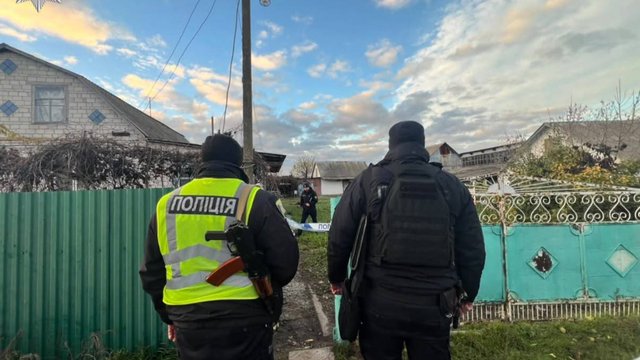
Hungarian leadership's unwillingness to recognize Russia's irrefutable responsibility for atrocities of the Russian army in Bucha, Irpin, Hostomel and other settlements means deliberately strengthening Russia's sense of impunity and encouraging it to commit new crimes against Ukrainians, Oleh Nikolenko, spokesman for the Ukrainian Foreign Ministry, has said.
"The political campaign of the ruling party in Hungary during the parliamentary elections was built on the intimidation of the Hungarians by the alleged threat of the spread of the Russian war on Hungarian territory. Obviously, after the elections in Budapest, they moved on to the next stage – to help Putin continue his aggression against Ukraine, the civilized world and Christian values. Hungarian leadership's unwillingness to recognize Russia's irrefutable responsibility for atrocities of the Russian army in Bucha, Irpin, Hostomel and other settlements means deliberately strengthening Russia's sense of impunity and encouraging it to new atrocities against Ukrainians," Nikolenko told Interfax-Ukraine on Thursday.
According to him, statements by the Hungarian leadership about their readiness to pay for Russian gas in rubles belong to the same category.
"The Russian Federation is trying to transfer payments for gas supplies to Europe into the national currency in order to save the Russian economy against the backdrop of international sanctions. The Russian military machine needs resources to continue the war against Ukraine. In this context, we consider the statement about the readiness to pay for Russian gas in rubles as an unfriendly position on relation to our state. Such statements also contradict the consolidated position of the European Union, which has fundamentally refused to satisfy the Russian whim," the speaker stressed.
Nikolenko pointed out that Ukrainians and Hungarians are united by centuries-old historical, political, economic and cultural ties.
"Ukraine is the homeland of about 150,000 Ukrainian Hungarians. At the same time, the logic that politicians in Budapest are now guided by, playing along with Russia's aggressive policy, is harmful to both of our peoples," he said.
The Foreign Ministry spokesman said that against this background, proposals to hold peace talks between Ukraine and Russia in Budapest look cynical.
"If Hungary really wants to help end the war, here's how to do it: stop destroying EU unity, support new anti-Russian sanctions, provide military assistance to Ukraine, don't create additional sources to finance the Russian military machine. It's never too late to turn to the right side of history," Nikolenko said.