 NATO is calling on allied member states to urgently transfer air defense missiles to Ukraine, specifically PAC-2 and PAC-3 interceptors for Patriot systems, without waiting for scheduled new production deliveries, stated NATO Deputy Secretary General Radmila Šekerinska.
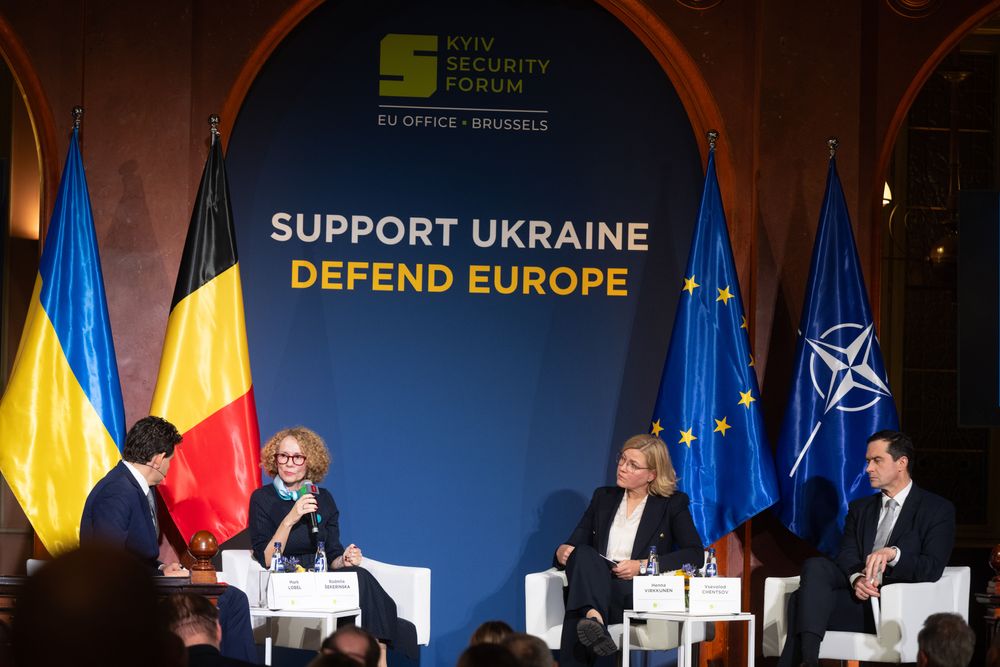
"We have once again appealed to our allies and said: please go into your stockpiles. If you have PAC-2s, PAC-3s, please give them. If you have deliveries waiting to take place in the next few weeks or months, please give them to Ukraine now and then based on other sales, later deliveries, you can get your stocks replenished," Šekerinska emphasized during the special event "Support Ukraine, Defend Europe," organized by the newly established Kyiv Security Forum (KSF) Office in Brussels.
According to her, the need for additional air defense assets has become particularly acute due to the aggressor state's deployment of jet-powered drones. Therefore, NATO is urging allies to provide Ukraine not only with Patriot missiles but also with other interceptors, including AIM-9 missiles, components for SAMP/T systems, and 20mm ammunition.
Šekerinska noted that air defense shortages represent a global challenge. The defense industry is not yet keeping pace with the growing demands driven by Russia's war against Ukraine and other conflicts worldwide. "This is becoming probably the most important challenge that we are facing. How do we make sure that we reach our stockpiles and make everything possible available to Ukraine?" the NATO Deputy Secretary General pointed out.
She stressed that she personally raises this issue during every visit to allied capitals, that the NATO Secretary General echoes these same appeals, and that the transfer of weaponry to Ukraine is regularly discussed at North Atlantic Council meetings.
According to Šekerinska, 99% of the air defense assets used by Ukraine have been provided by NATO allies.
She also reported that arms deliveries under the PURL program—a mechanism for purchasing American weaponry for Ukraine using funds from European partners—are proceeding according to schedule.
"Let me be very clear. The delivery of PURL packages goes according to the schedule. We have delivered even more than what we have managed to finance because we know the urgency is extreme," Šekerinska noted.
The NATO Deputy Secretary General also reaffirmed allies' commitments to provide Ukraine with €70 billion in support in 2026 and at least the same amount in 2027. At the same time, she stressed that assistance decisions depend on allied states and their domestic procedures.
According to Šekerinska, NATO views cooperation with Ukraine as a two-way partnership in which allies not only provide assistance but also adopt the unique combat experience of Ukrainian service members. "Ukraine has been clearly in the forefront of modern warfare," the NATO Deputy Secretary General emphasized.
The special event "Support Ukraine, Defend Europe" took place with the participation of high-ranking officials from the European Union, NATO, and Ukraine. It was dedicated to strengthening support for Ukraine and shared European security.
This is the first high-level event organized by the KSF Office in the EU, which commenced operations in Brussels on the initiative of KSF Chairman and Prime Minister of Ukraine (2014–2016) Arseniy Yatsenyuk.