Czech President Petr Pavel stated that a truce between Russia and Ukraine was "very close" until President Donald Trump lifted sanctions on Russian diesel fuel. He said this in an interview with the Axel Springer Global Reporters Network, which includes Politico.
"It will be much harder now. Russia uses this momentum to get out of pressure, and it’s kind of a moral boost for them," Pavel said, pointing out that coordinated U.S and European sanctions on Russian oil, oligarchs, and other industries had placed Russia "in a difficult position." However, the deal announced by Trump earlier this month, under which Russia was to supply hundreds of thousands of tonnes of diesel fuel to the U.S, gave Russia "time to breathe."
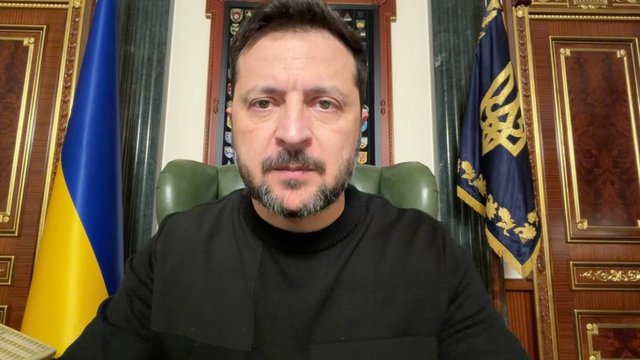
Pavel expressed support for Ukrainian President Volodymyr Zelenskyy, who criticized the deal, stating that it "plays into Russia's hands" and allows Russia to "kill more people, conduct war longer, respect America even less, and cause the world even greater loss and damage."
"I believe that President Zelensky and the whole of Ukraine is a victim of a conflict. So, I would be probably the last to blame Ukraine for being guilty of the conflict. It was not Ukraine who attacked Russia. It was not Ukraine who was threatening Russia," Pavel said.
He added that Trump demonstrates a more open approach to Russia than any European leader.
"To some extent, he may be attracted by Vladimir Putin as a leader with authority, but I don’t think that … President Trump sees it from a position of a struggle between democracy and autocracies because he’s looking at it simply from the point of view of economic prosperity for the United States," he added.
Although Pavel expressed concern over the diesel deal, he declined to assert that the U.S had betrayed Ukraine or other European partners.
"I don’t know yet if we can call it betrayal, but I would call it a mistake. Because … it’s now giving Russia a new hope: New hope that they can disregard Europe, they can disregard Ukraine, they can focus on making a deal with the United States, potentially with China, and arranging all things up to their priorities and strategies. I believe that it’s clearly against our interest in Europe," he explained.
Pavel also did not rule out that European countries might buy Russian oil in the future, but added that "it will still take time."
"If one day Russia is a country respecting other countries’ sovereignty and borders, why not have regular business with such a country? But Russia is not there yet," he said.