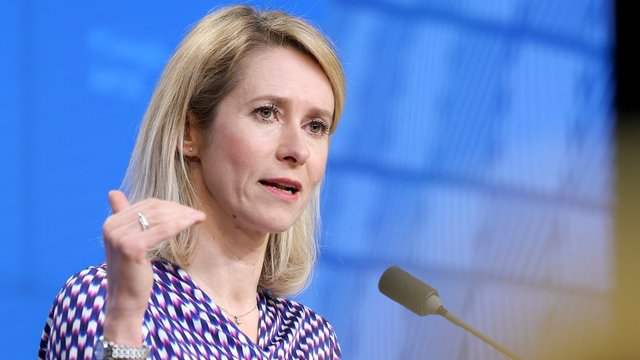
Russian Federation crimes against media workers are growing exponentially, stated Yevheniya Kravchuk (Servant of the People faction), Chair of the Verkhovna Rada Temporary Commission of Inquiry (TCI) into crimes committed by armed formations of Russia against journalists and media professionals.
"The latest meeting of our Temporary Commission of Inquiry was held in Kharkiv... The main conclusion: Russian crimes against media are growing exponentially," Kravchuk reported on Facebook on Monday.
According to her, while at the beginning of the year Russians employed the "double tap" tactic—a secondary strike at the attack site to target first responders, medics, and journalists working on scene—they now frequently launch strikes in three or even four consecutive waves. Kravchuk recalled that in frontline areas, news crews are required to include safety officers because journalists and camera operators cannot physically monitor drone detectors and work simultaneously.
The MP emphasized that Russians continue trying to sever frontline communities from news and information, which is why Ukraine continuously restores radio towers and broadcasting infrastructure in Kharkiv region.
"In addition to Russian crimes, internal issues persist. In particular, unfair competition from anonymous Telegram channels. They violate embargoes on publishing news about strikes, which not only puts registered media at a disadvantage but frequently provides the enemy with real-time targeting data for follow-up strikes," Kravchuk noted.
She stressed that current regulatory frameworks provide almost no legal basis for holding administrators of such channels accountable, especially as they often operate from abroad, unlike local journalists.
Kravchuk highlighted that war crimes specifically directed at journalists remain complex to qualify and investigate.
"Since 2022, 6 crimes against 8 journalists and 19 crimes involving damage to media-related property (newsrooms, TV towers, equipment) have been officially documented in Kharkiv region. Only 2 cases have been submitted to court. Why so few? Because war crimes tied to media work are harder to qualify and investigate, and journalists often choose not to file official reports—for instance, when becoming targets of cyberattacks or information campaigns," Kravchuk wrote.
At the same time, she drew attention to indisputably proven cases where media personnel were the primary target of enemy strikes.
"The most egregious case remains the attack on the Kharkiv Palace hotel on December 30, 2023. Russian propaganda reported 'destroyed mercenaries,' even though the enemy knew full well that foreign journalists were hosted at the hotel. Furthermore, press conferences were regularly held in the hotel's media center," the MP stated.
Kravchuk also announced that the TCI's next session is scheduled for October 28 and will focus on Ukrainian journalists held in Russian captivity.