Prime Minister of Ukraine Serhiy Koretsky has stated that when modifying the military reservation system, there will be no radical changes for critical enterprises in the defense and energy sectors.
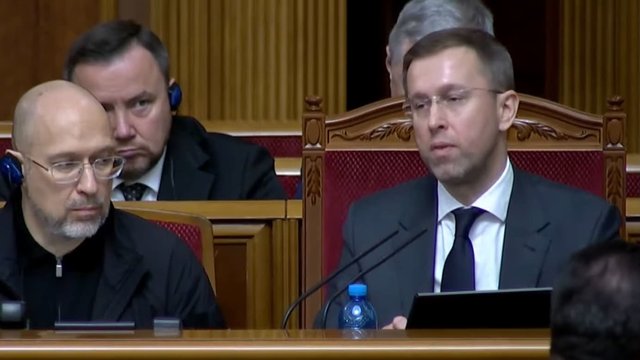
"The resolution is being processed, it will definitely be finalized, adopted, and published. There is no betrayal there. All details will follow once they are made public and all relevant decisions are made," Koretsky said during the "Question Time with the Government" in the Verkhovna Rada on Friday.
The Prime Minister noted that the skepticism surrounding public discussions on changes to the reservation system is groundless, as no final decisions have been made yet.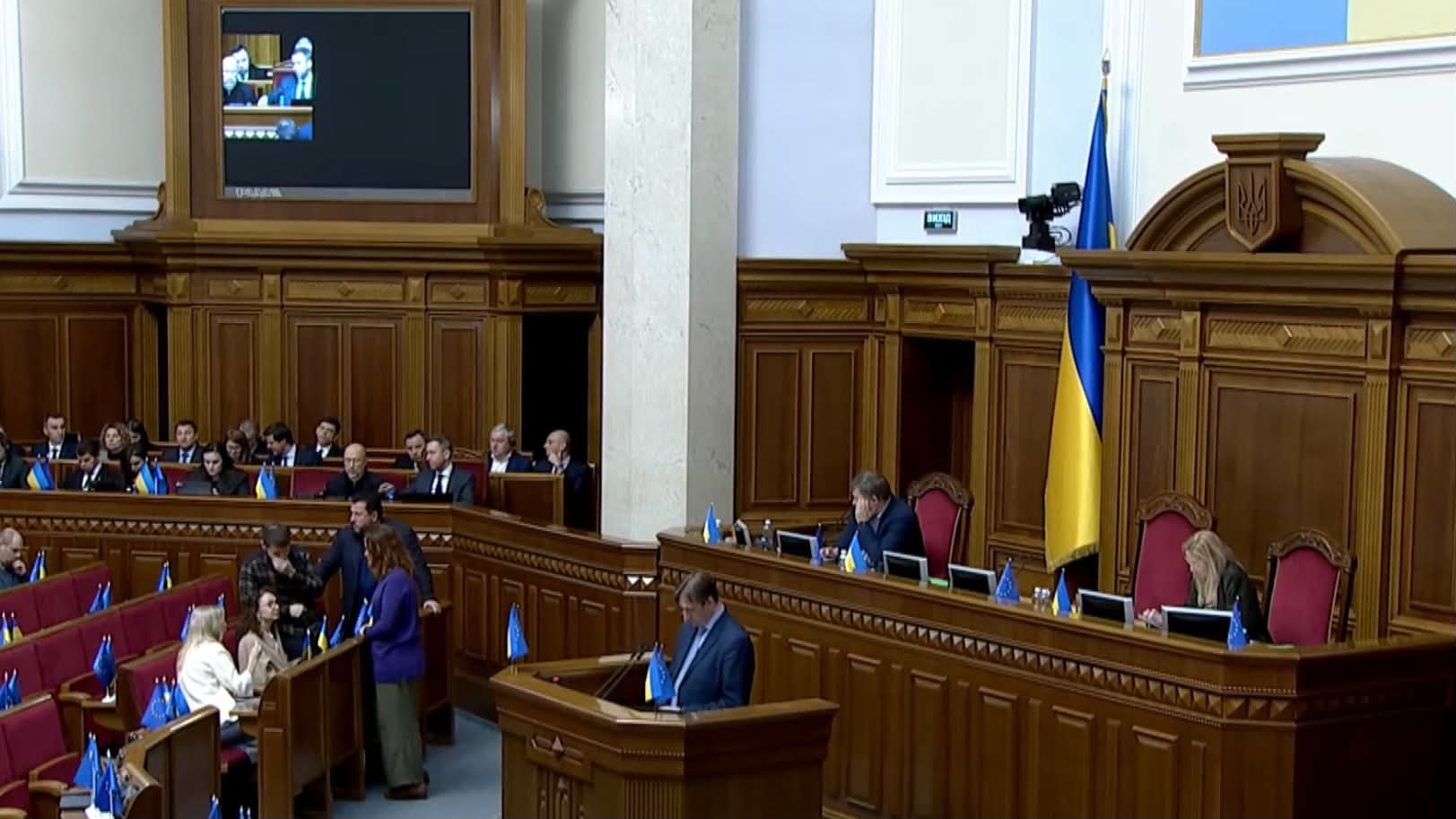
"There is nothing to criticize right now. The fact that the mobilization and reservation system needs improvement is an undeniable fact. The fact that the General Staff needs military personnel is a fact. Therefore, this is exactly how we are working now. Critical enterprises that are truly critical for both the defense complex and the energy complex have nothing to worry about. I can say with confidence that there will be no radical changes for these people, for these production facilities," he emphasized.
As reported, on October 13, the Cabinet of Ministers adopted the resolution On certain issues of organizing the reservation of persons subject to military service during mobilization and in wartime, introducing changes to the reservation system. As of today, the resolution has not been published.
A group of MPs from all parliamentary factions appealed to Prime Minister Serhiy Koretsky demanding the cancellation of plans to create a Coordination Center for Organizing Reservation.
Chairman of the Subcommittee on Cybersecurity, MP Oleksandr Fediyenko, emphasized that the creation of a new agency risks causing delays in reservation procedures for enterprises in the defense-industrial complex, energy, and critical infrastructure, threatening the non-fulfillment of state contracts.