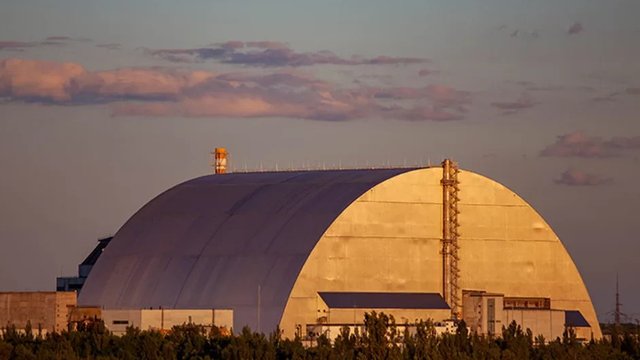
The G7 nations will provide EUR 260 million to fund urgent repairs to the New Safe Confinement structure at the Chornobyl Nuclear Power Plant (NPP) in Ukraine, which sustained significant damage following a Russian drone strike in February 2025, the European Bank for Reconstruction and Development (EBRD) announced on Thursday.
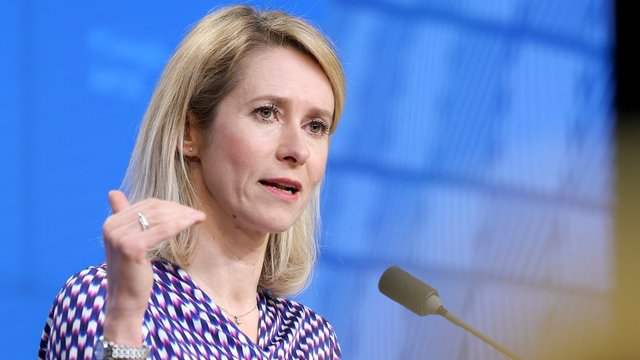
“The EBRD is grateful to the G7 nations for their continued leadership and commitment to nuclear safety at Chornobyl. We join the G7 in calling on the wider international community to contribute to these efforts at a donor conference we are convening in Paris on 9 November 2026, co-chaired by France, Ukraine and the EBRD,” EBRD President Odile Renaud-Basso said.
According to a press release, the decision was announced following a meeting of G7 finance ministers held during the autumn meetings of the International Monetary Fund (IMF) and the World Bank in Bangkok. The G7 nations expressed deep concern regarding risks to nuclear safety resulting from the Russian attack, pledged to mobilize funds for the restoration of the containment structure, and called on other international partners to help cover the remaining financial requirements.
Preliminary assessments indicate that at least EUR 500 million will be needed to repair the damage and restore the structure to full functionality. The work needs to be completed by 2030 to limit the risk of corrosion of the steel arch and safeguard the structure’s 100-year design life.
Chornobyl’s New Safe Confinement was severely damaged by a Russian drone strike on 14 February 2025. The attack breached the structure’s inner and outer cladding, damaged critical systems and severely compromised its two primary functions: containing radioactive material and enabling the safe dismantling of the unstable original sarcophagus over Reactor Four.
The EBRD has led global efforts to stabilise and manage risks at Chornobyl since 1995, mobilising over EUR 2.5 billion in international contributions – much of it from the G7 nations – and providing more than EUR 700 million of its own resources to fund nuclear safety and decommissioning projects linked to the site. The Bank is now leading international efforts to restore the full functionality of the New Safe Confinement and to mobilise the remaining funding needed for urgent repairs.