The USA and European countries are developing a peace initiative to end Russia's war against Ukraine; the plan entails funding for Ukraine's reconstruction, security guarantees, economic cooperation with Russia, and a ceasefire along the current front line, The Washington Post reports, citing a US official familiar with the negotiations.
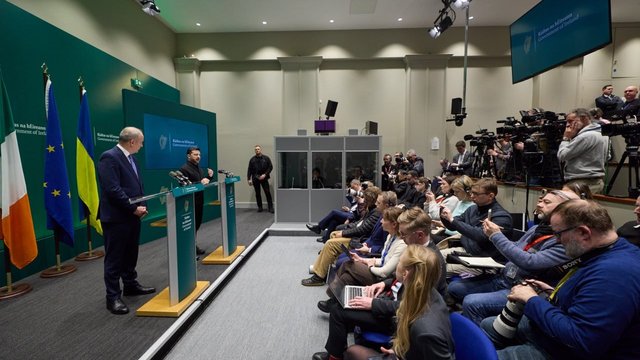
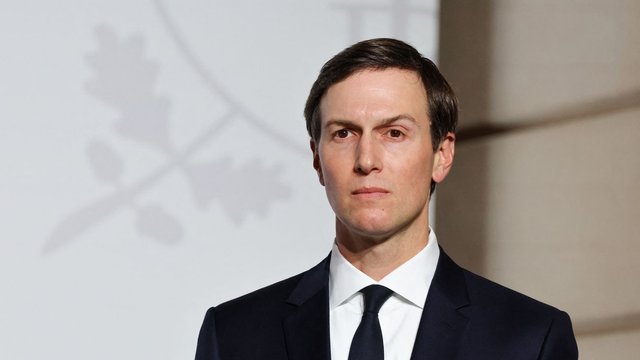
According to the ezine, the diplomatic push came during a six-hour meeting last Friday in Florida hosted by U.S. envoys Jared Kushner and Steve Witkoff. The meeting, which included Ukrainian officials and representatives of Britain, France and Germany, was held at the Shell Bay Golf Club, a development owned by Witkoff in Hallandale Beach.
According to the Washington Post, U.S. negotiators are trying to frame a package that addresses Ukraine’s and Russia’s postwar needs in a way that ends the bloodbath and leaves both countries better off — as a sweetener for a territorial compromise neither side will like.
“We need to make the problem and the solution bigger to help both sides see what the postwar situation would be — and then make concessions,” the publication quoted an American official as saying.
The peace plan comprises four main components. Ukraine’s reconstruction would be the first pillar. The World Bank and the investment firm BlackRock want to create a framework for meeting Zelensky’s myriad cash needs — for rebuilding the devastated areas of the country, providing benefits to families of dead and wounded soldiers, and restoring a shattered economy.
Security guarantees would be the second essential component. Ukraine would get a pledge from the United States and European nations that they would respond militarily if Russia attacked again, which the U.S. official described as equivalent to NATO’s Article 5. The official said Russia would also negotiate agreements with Europe that would address its security concerns, though it’s not clear what this would involve.
A third pillar would be economic integration of Russia, Ukraine and Europe through an energy deal. One aspect might be a pipeline carrying Russian oil and gas to Europe, with Ukraine and Russia splitting the profits. Such a pipeline could sharply reduce European energy costs, the official said. In addition to providing Russia with “long-term access to the European energy market,” a peace deal would specify how and when existing economic sanctions would be removed. The final, the fourth, piece of the deal would be the most unpalatable. Russia, which began the war hoping to conquer all of Ukraine, would agree to a ceasefire along the existing front line, or “line of control,” as negotiators describe it. For Ukraine, that would mean allowing Russia to control the territory it occupies — including the bitterly contested area known as Donbas. One hurdle is that the line of control is fuzzy, given small shifts in the front almost every day.
According to a European diplomat, Ukrainian strikes on Russian oil refineries are affecting Russia's economy and strengthening Ukraine's negotiating position.
“Clearly, the Ukrainians’ ability to strike refineries is having impact on Russia’s economy. It has increased Zelenskyy’s leverage,” the European diplomat is quoted by the publication as saying.