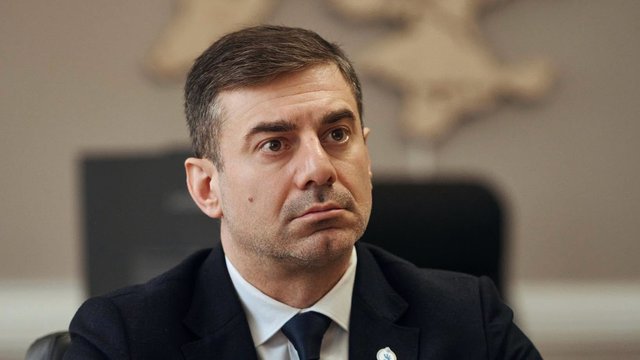
With the assistance of the Ombudsman's Office and partner organizations, 41 Ukrainian citizens returned via the Mokrany-Domanove border crossing in Volyn in August and September of this year. Among them were four children and five teenagers, according to Verkhovna Rada Commissioner for Human Rights Dmytro Lubinets.
"For each of them, this is not just crossing the border. It marks the end of months or years of life under occupation – filled with fear, pressure, persecution, and constant uncertainty," Lubinets said on his Telegram channel.
He explained that one of the families was able to return after the father was released from captivity. Their eldest son has remained in captivity since April 17, 2022. The woman and her younger son were under constant surveillance by the occupying medical and law enforcement services. According to them, they were previously taken to a detention facility under the pretext of receiving medical care, where they were held against their will and subjected to forced medical treatment. They have now been able to return to Ukraine.
Among those returned is also a young female medical professional. She was successfully evacuated on the eve of her actual mobilization into the armed forces of the aggressor state. A little longer, and her life could have followed the scenario that had been determined for her under occupation.
Another man in the temporarily occupied territories was detained several times and held in basements. His Ukrainian passport was confiscated. For him, returning meant not only crossing the border but also regaining the ability to freely determine the course of his own life.
"It is precisely these stories that show: occupation is not just a territory on a map. It is the loss of freedom, documents, housing, work, contact with loved ones, and a sense of security," Lubinets said.
He said the Ombudsman's Office, together with the International Charitable Foundation "Caritas Ukraine," as part of the joint project "Emergency Humanitarian Support for Ukrainians Forcibly Displaced and Affected by Military Aggression," is assisting returnees with document restoration, financial support, temporary housing, psychological and social support, as well as with tickets and onward travel.
"No one should be left to face the consequences of their ordeal alone. In total, during this period (August-September), assistance was provided to 1,140 people through this project, including those citizens whom we evacuated together," the ombudsman said.
Currently, there are still Ukrainians in the occupied territories who are unable to leave. The situation remains particularly acute in Oleshky and the surrounding communities in the Kherson region. Elderly people, people with disabilities, the sick, and families remain there, living in conditions of constant danger with limited access to food, water, medicine, medical care, and communication. It remains extremely difficult for them to leave safely.
"The Ombudsman's Office receives daily appeals from people who want to leave the occupied territories. We review every request, look for routes, engage state and international partners, and work through third countries. Because behind every request is a real person and their right to return home," Lubinets said.