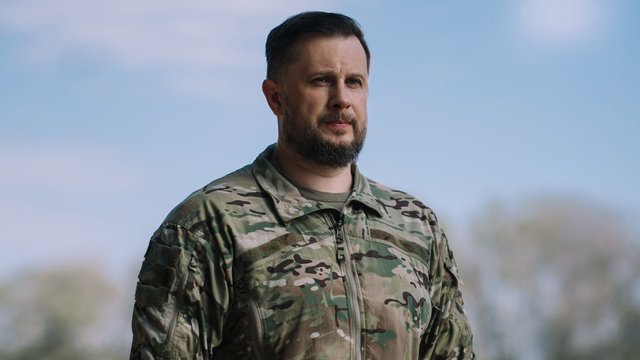
Valeriy Zaluzhny, Ukraine's Ambassador to the United Kingdom and former Commander-in-Chief of the Armed Forces of Ukraine (2021–2024), has warned of the risk of Russian aggression against other countries if the world fails to halt the supply of components to the aggressor state—components that allow it to expand its weapons production.
"Russia has shifted to virtually round-the-clock attacks on Kyiv, Kharkiv, Dnipro, Odesa, and other major Ukrainian cities. They are using everything at their disposal. Both old and new Shahed drones fly straight from the assembly line toward Ukraine, while ballistic missiles are stockpiled for nights like the one we just experienced. Strikes on maternity hospitals, farms, shopping and office centers, and educational institutions constitute blatant terrorism—acts that would be impossible if the Russians lacked the resources to carry them out," Zaluzhny wrote on Facebook on Thursday.
"For years, Russia has continued to receive imported components that enable it not only to sustain but also to ramp up weapons production. The world must finally put a stop to this. Otherwise, tomorrow these weapons could be fired at targets beyond Ukraine," the diplomat emphasized.
As previously reported, in early September, Ukrainian Foreign Minister Andriy Sybiha stressed the need to systematically close sanctions loopholes following another massive Russian strike, in which foreign-made components and technologies were once again discovered within the weaponry used. "There is something fundamentally wrong with the fact that technologies developed in countries advocating for peace and security end up inside Russian missiles launched at Ukrainian homes," he stated.
Sybiha emphasized that the arrival of such components in the Russian Federation cannot be viewed merely as a side effect of global trade. According to him, Russia deliberately seeks out sanction loopholes, establishes procurement networks, and utilizes intermediaries and third countries to acquire critical components needed to sustain its war machine. He called for significantly stricter export controls, enhanced enforcement, and the imposition of real sanctions on those helping Russia circumvent restrictions. He stated that critical technologies must be kept out of Russia's reach at every stage of the supply chain.