Ukraine's National Energy and Utilities Regulatory Commission (NEURC) plans to keep the current price caps on the day-ahead market (DAM), intraday market (IDM) and balancing market (BM) in place for another six months.
The relevant draft resolution was approved at the regulator's meeting on Thursday, September 24, and, if finally adopted following discussions, will take effect on October 31, 2026.
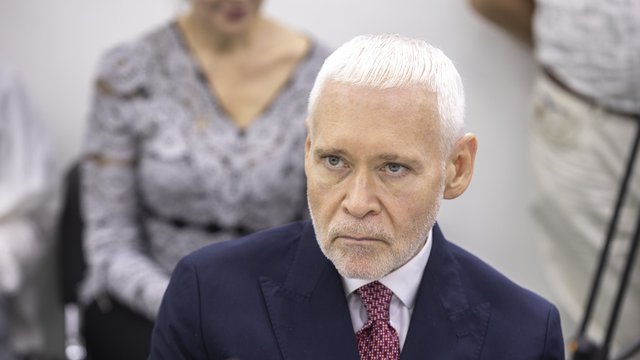
"I would like to draw attention to the fact that this is only an approval – we are simply opening the procedure to receive relevant proposals and comments. Therefore, we ask interested persons and parties to join this process," NEURC Chairman Yurii Vlasenko said at the meeting.
According to the draft document, the round-the-clock maximum price caps on the DAM and IDM remain at UAH 15,000/MWh, while the cap on the BM remains at UAH 17,000/MWh. The minimum price caps on the DAM and IDM are UAH 10/MWh, and on the BM, UAH 0.01/MWh.
As reported, the NEURC meeting had initially been scheduled for Wednesday, September 23, but was postponed due to continuous air raid alerts in Kyiv and poor connection quality for joining online.
NEURC set the round-the-clock price caps at the above levels on April 23, 2026, with the new levels taking effect on April 30.
Previously, on the DAM and IDM, the caps were UAH 5,600/MWh from midnight to 7:00 a.m. and from 11:00 a.m. to 5:00 p.m.; UAH 6,900/MWh from 7:00 a.m. to 11:00 a.m. and from 11:00 p.m. to midnight; and UAH 15,000/MWh from 5:00 p.m. to 11:00 p.m. The minimum price cap was UAH 10/MWh. The maximum price caps on the BM were UAH 6,600/MWh from midnight to 7:00 a.m.; UAH 8,250/MWh from 7:00 a.m. to 5:00 p.m. and from 11:00 p.m. to midnight; and UAH 16,000/MWh from 5:00 p.m. to 11:00 p.m. The minimum cap was UAH 0.01/MWh.
From January 18 through March 31, 2026, the price caps on the DAM and IDM were UAH 15,000/MWh around the clock, while the cap on the BM was UAH 16,000/MWh.
After the return to lower price caps from April 1, representatives of the cogeneration industry said that the level did not cover the actual cost of electricity generation by gas-fired generation and did not allow investments to pay off, thereby restraining the launch of new projects and the development of existing ones.