Ukrainian Foreign Minister Andriy Sybiha insists that easing sanctions against Russian businessmen Alisher Usmanov and Mikhail Fridman is unacceptable, as the reasons for their inclusion in the sanction list remain unchanged.
“Usmanov and Fridman were listed because they are part of Russia's aggressive regime waging a war of aggression against Ukraine. What has changed? Nothing. Delisting is unacceptable and would send the wrong signal to Moscow at a time when pressure needs to increase,” Sybiha said on X.
He added that sanctions need to be tightened and individual sanction lists expanded.
“And the rollover extended from six to twelve months — so that there are fewer counterproductive ideas to please Russian oligarchs,” the minister summed up.
As earlier reported, the Committee of Permanent Representatives (Coreper) met on Monday, September 14, to discuss extending the sanction regime imposed in response to the violation of Ukraine's territorial integrity and to allow member states additional time to thoroughly review proposals for extending the sanctions. The committee agreed to extend the regime by seven days—until midnight on Tuesday, September 22.
A representative of Ireland, which holds the presidency of the EU Council, said that extending the sanction lists is crucial for further weakening the Russian military machine and maintaining pressure on the individuals and entities that support it, facilitate its activities, and profit from them. He added that this issue is a priority for the Presidency.
Earlier, Politico reported, citing EU diplomatic sources, that EU countries failed to reach an agreement on extending one of the anti-Russian sanction programs. Ambassadors were expected to reach a consensus on Monday—as the regime freezing the assets of approximately 3,000 individuals and companies was set to expire on Tuesday—but Slovakia demanded that the bloc remove Russian businessmen Usmanov and Fridman from the sanction list, while France sought a compromise by proposing the removal of only Usmanov. Most other countries were unwilling to consider removing anyone from the list. Another part of the discussion focused on whether to extend the measures for six months—the standard practice since 2014—or for 12 months; Slovakia was unwilling to support the longer term.
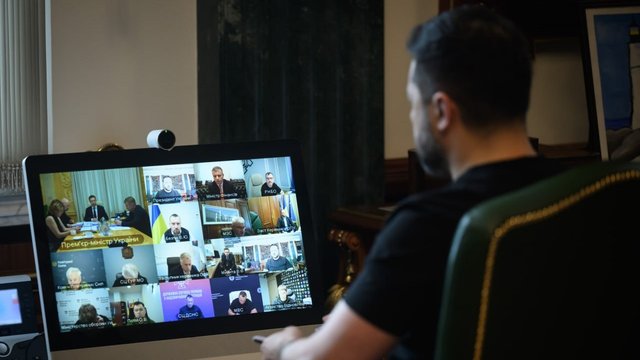
Ukrainian President Volodymyr Zelenskyy urged international partners not to lift sanctions against Russia and to impose new, tougher restrictions—specifically targeting Russia's ballistic missile production and financial sector—and to adopt the late U.S. Senator Lindsey Graham’s bill on sanctions against Russia. He noted that Russian businessmen Usmanov and Fridman, along with other representatives of the Russian business community, have still taken no steps to oppose the war.