MPs from the European Solidarity faction have stated that the Government Question Hour scheduled to take place in the Verkhovna Rada on September 18 was canceled and that no one warned them about it, nor about a three-week break in the parliament's plenary work, the political force's website reported on Friday.
"Today, European Solidarity is in parliament. Parliament is closed," Co-Chair of the faction Artur Herasymov said. "Despite the fact that a meeting was supposed to take place today where the government was supposed to answer very critical and harsh questions from the opposition regarding the draft State Budget, in which it is clearly visible that Ukraine is heading downhill, without warning MPs, this was canceled or postponed. But postponed is even worse, because now parliament will be without plenary sessions for three weeks."
According to him, not a single bill can be adopted during this time. In this regard, Herasymov called on Ukrainian citizens, including voters of other political forces, to contact the deputies from their districts with a demand to "return to Kyiv and work."
MP Volodymyr Viatrovych also stated that European Solidarity MPs learned about the cancellation of Friday's session upon arriving at parliament from security guards. "The deputies did not know about this," he said. "This is a very symbolic example of absolute contempt for parliament, and accordingly for the entire nation. That is, they do what they want, despite the fact that they clearly understand how much legislative work is needed right now within these walls. Despite the fact that more than 40 laws must be adopted for Ukraine to receive European assistance. Instead of working, we are standing in front of closed doors."
MP Sofia Fedyna noted that the work of parliament is "critically needed today." "If the next three weeks are parliamentary assembly sessions, then let's work on Saturday and Sunday; we need to adopt bills, we still need to draft them," she said. "Today there is a question mark as to whether the state will endure. The military from the front are calling and asking what will happen, because the situation is very bad. And here it is not just a question for the monomajority or the monominority. Here the question is for those who have the opportunity to make the highest political decisions in the state."
MP Nina Yuzhynina assesses the level of parliamentary work organization as very low: "We may not receive a certain amount of funds that are already being given to us, but we are not doing our work. That additional deficit is not even being discussed regarding the amendments to the budget for 2026. Unfortunately, we are ready to work, but the hall is closed."
According to the calendar work plan of the 16th session of the Verkhovna Rada of the IX convocation, published on the Ukrainian parliament's website, plenary sessions are scheduled only from Tuesday to Thursday in the first and third weeks of September 2026 (September 1-3 and 15-17). All other weekdays, except for three holidays, right until the end of the session (through the end of January 2027) are shown as "working" days, without a schedule for plenary sessions or Government Question Hours, as was the case during previous sessions.
As reported, on September 14, Prime Minister Serhiy Koretsky called on all MPs to swiftly adopt bills upon which the receipt of international financial assistance depends. "The state of public finances is close to critical... The government will officially send all MPs and specialized committees a schedule with clear deadlines for each required vote," he stated. "In case of violation of these deadlines, Ukraine risks losing a significant part of the $29.5 billion in envisaged international financing."
At the same time, the head of government emphasized that there is also a part for which the Cabinet of Ministers is responsible, and he guaranteed full implementation of its share of obligations—42 decisions in shortened timeframes, by October 1 instead of November 1.
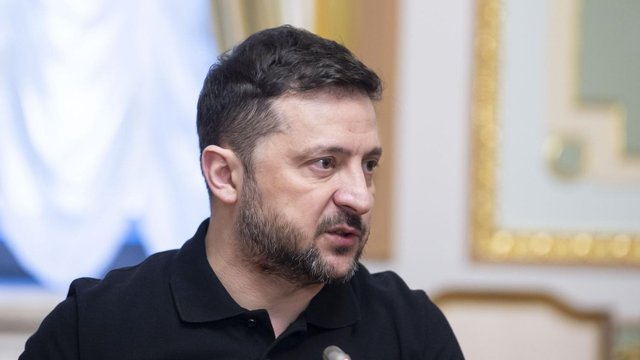
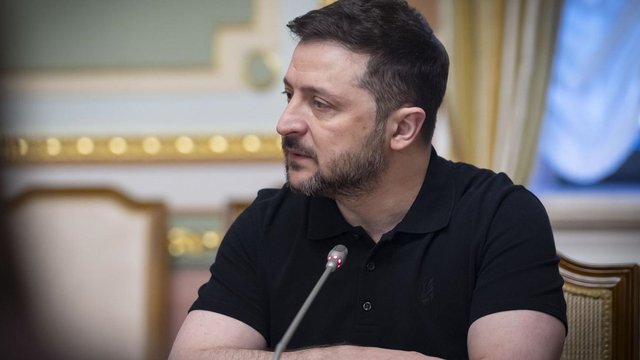
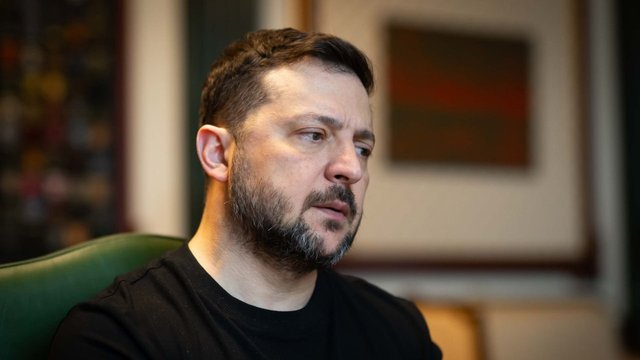
On the same day, President of Ukraine Volodymyr Zelensky also called on parliamentarians to adopt bills upon which the receipt of international financial assistance depends. He appealed to parliamentarians to "already this week deliver such a financial result for Ukraine through votes," emphasizing that the relevant laws "will mean concrete funds for the budget," and expressed conviction that the Cabinet of Ministers "will do its part of the work."
In turn, Petro Poroshenko noted the next day that the Cabinet of Ministers has still not submitted a third of the bills that parliament must support to receive assistance from partners. "The prime minister talks about a deficit of 27 billion. Parliament is also not informed about which specific expenditure items are threatened," he stated. "We are told about 45 bills necessary to receive Western aid, and all responsibility is pinned on parliament, on you, the monomajority, while forgetting to say that out of 45 bills, 15 have not yet been submitted by the government," he concluded, calling for European integration obligations to be fulfilled.