European Commission President Ursula von der Leyen has announced measures to assist Ukraine this winter, including providing unprecedented support, strengthening air defenses, and tightening sanctions against Russia.
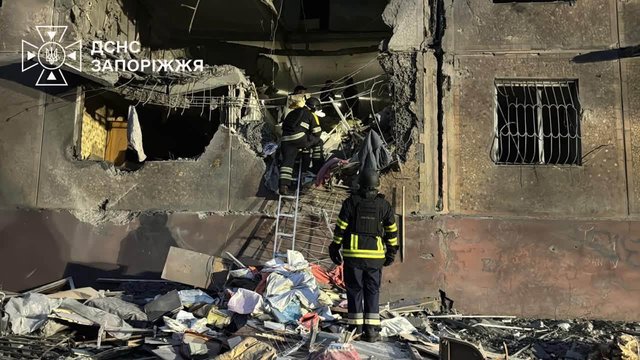
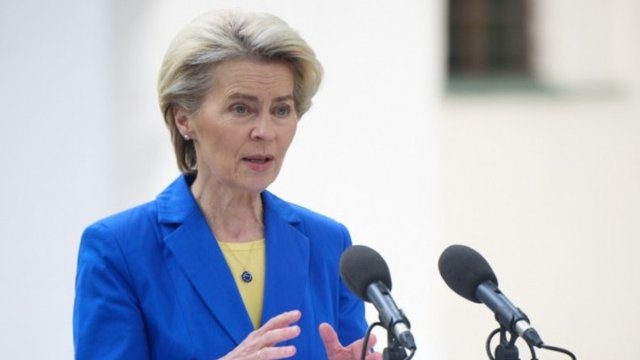
“We know that the coming winter will be tough for Ukraine. But we also know that North Korean missiles and Russian drones cannot break the Ukrainian spirit of resistance. Because the people of Ukraine are fighting for something. They are fighting for the survival of their country, for their identity and for their freedom. And they are also fighting for our freedom and our self-determination. Our task remains to support Ukraine as best we can,” she stated in Strasbourg on Wednesday during the European Parliament's plenary session, as part of the annual 2026 State of the Union address.
She named providing assistance to Ukraine as “our strongest-ever support to Ukraine over the toughest winter of the war.” “Together with our partners, we will provide humanitarian aid and reinforce Ukraine's supplies of power and heating,” the President of the European Commission explained.
As a second point, von der Leyen highlighted the strengthening of Ukraine's air defense. “Last week, for the first time, we approved the purchase of American Patriot interceptor missiles. These now need to be delivered urgently. But we must also jointly reduce our dependence on a single supplier. That is why we would like to develop with Ukraine an affordable, modular missile-defence system. At the heart of this collaboration is the Freya project. Here we are combining the Ukrainians' combat experience and innovativeness with Europe's technological leadership. And, of course, our substantial production capacity. But Freya is only the beginning. More is needed,” she explained.
In this regard, von der Leyen announced the launch of a new program of joint projects with Ukrainian companies, utilizing remaining funds from the SAFE fund.
The European Commission President identified the tightening of sanctions against Russia as the third element of aid to Ukraine. “What is needed is not necessarily new sanctions, but above all the enforcement of existing sanctions,” she explained.