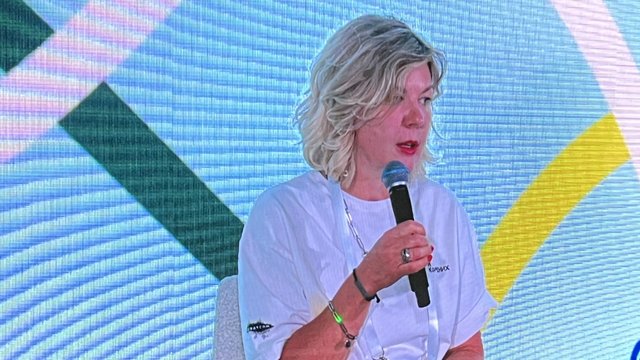
Ukraine is a country still learning how to work with veterans, and veterans themselves understand this, according to Alina Frolova, founder of the Invictus Games in Ukraine and the StratComUA Center for Strategic Communications.
"You have to understand that a veteran is, first and foremost, a person with a certain kind of experience. Simply inviting a veteran or a person with a disability isn't always the solution... When it comes to testing services, that definitely needs to be done with the people who actually use them, and in fact it should be done constantly. But I think we need to stop treating veterans a little like 'wedding generals,'" Frolova said at the third annual "My Barrier-Free Life. Lessons Learned" forum in Kyiv on Tuesday.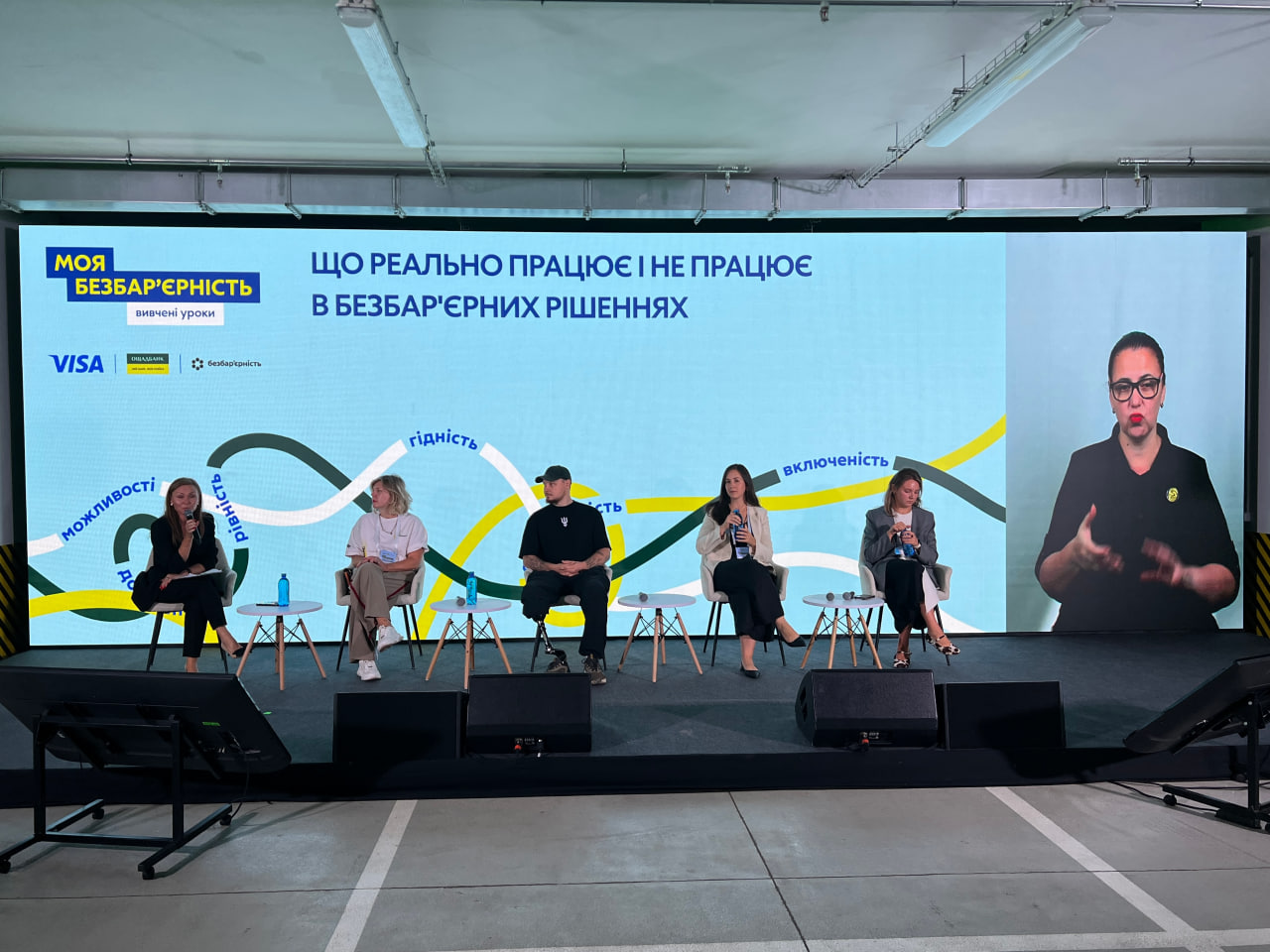
Every veteran has their own experience, she said, and barrier-free access isn't only about people with an official diagnosis, but also about many people suffering from what might be called invisible injuries.
"You just need to, first, try to bring in specialists; second, of course, test the solution with the people who will actually use it; and third, simply have empathy. Because the ability to talk normally — especially for staff working in service roles — the ability to talk normally, to see, and to ask what's comfortable or uncomfortable right now, resolves most of the problem," Frolova said.
At the same time, she said, "we're a country that's learning, and veterans understand that too."
The third annual "My Barrier-Free Life. Lessons Learned" forum was initiated and organized by Oschadbank with support from Visa, as part of first lady Olena Zelenska's "Without Barriers" initiative. Oschadbank, together with its partners, is working to make barrier-free access an established social norm.
Interfax-Ukraine is the event's general media partner.