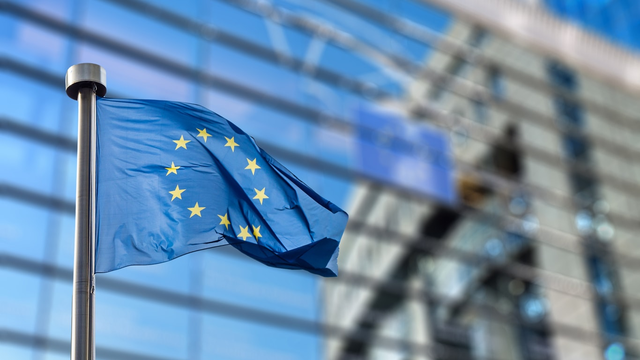
The Council of Europe has published its first report on Ukraine’s implementation of the Istanbul Convention on combating violence against women since Ukraine ratified the treaty. The report finds significant progress but says more work is needed — Kyiv must strengthen protections for women against war-related violence, and punishments for violence remain too lenient.
The Council of Europe press service reported this on Friday. Ukraine ratified the Istanbul Convention in July 2022.
The Council of Europe’s Group of Experts on Action against Violence against Women and Domestic Violence (GREVIO) praised Ukraine’s strong political will to implement the convention and the steps it has taken to protect women from violence despite the enormous challenges caused by Russia’s war of aggression, according to its baseline evaluation report published Friday. The report also details the many ways women’s exposure to gender-based violence has increased as a result of the war. GREVIO’s findings are based on input from Ukrainian authorities and NGOs, as well as an evaluation visit to Kyiv in May 2025.
Large-scale population displacement, safety concerns for specialists responding to violence against women in the field, limited human and financial resources, and numerous obstacles to providing services to war-affected people were cited as factors straining authorities’ ability to prevent and combat violence, according to the report. GREVIO stressed the need for decisive measures to protect women and girls from conflict-related sexual violence, as well as from forms of violence such as domestic violence that intensify or change during conflict.
The Council of Europe pointed to improved legislation, better victim protection and specialist training as positive developments. Ukrainian authorities began aligning legislation with the convention even before ratification, adopting a law on preventing and combating domestic violence in 2017, and have continued making legislative changes since, including adopting a consent-based definition of rape and criminalizing sexual harassment in 2024. Measures have also been taken to address gender inequality as a root cause of violence against women, including through education. The report also praised close cooperation between state authorities and women’s rights organizations in supporting victims.
Other positive developments cited include around 700 mobile teams of psychologists, social workers and medical professionals directly assisting domestic violence victims, particularly in rural areas, and the establishment of a National Training Center on Responding to Gender-Based Violence to upskill specialists working with women victims.
The report also praised the authorities’ comprehensive efforts since the start of the war, supported by international partners, to train police officers, prosecutors and forensic experts and equip them with up-to-date technical and legal skills to prosecute conflict-related sexual violence effectively. It highlighted broad efforts to ensure the Ukrainian military provides adequate protection from gender-based violence, including sexual harassment, for its roughly 70,000 female personnel, along with channels for reporting such violence. GREVIO also welcomed authorities’ recognition of the war’s impact on the frequency and severity of domestic violence faced by women, along with measures to prepare servicemembers for their return to civilian life and reduce the risk of domestic violence.
At the same time, the report identifies further steps needed to improve the response to violence against women, stressing the need for consistent implementation of the convention nationwide and coverage of all forms of violence against women addressed by the treaty, not only domestic violence.
GREVIO also called for additional measures to raise public awareness of the different forms violence against women can take, and to reduce the stigma faced by victims, including survivors of conflict-related sexual violence committed by Russian soldiers. The report pointed to a growing link between active military service and severe domestic violence in Ukraine, and to the difficulties women face in reporting such violence, calling for the issue to be addressed.
The report also identifies further steps needed to improve the criminal justice response to violence against women, including imposing effective, proportionate and dissuasive penalties for domestic violence and other offenses to ensure accountability. GREVIO expressed concern that penalties tend to be lenient and are often limited to fines and community service.
The report additionally highlights a lack of protection for children exposed to domestic violence, noting their presence in such situations is not systematically recorded and that they often lack access to psychological support. It also calls for improvements in civil law to ensure authorities fully account for domestic violence when resolving custody disputes.